
(29 Jan – 3 Feb)
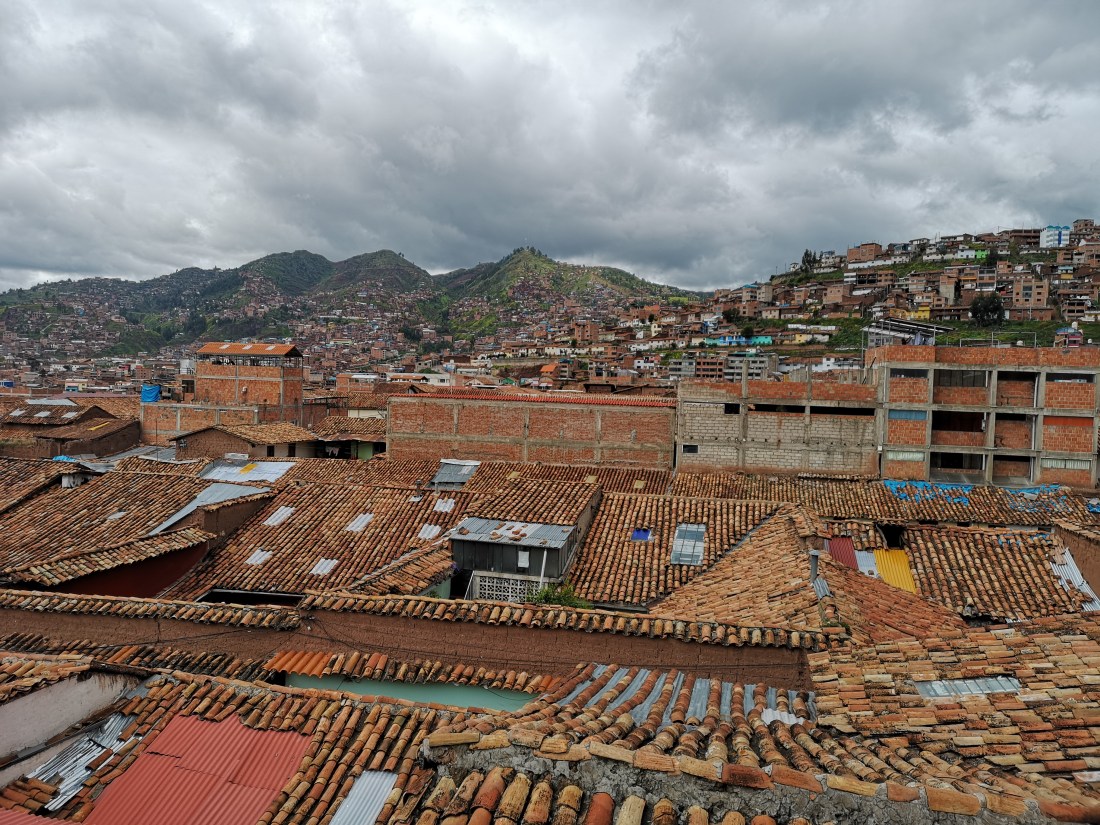
Cusco is a town in the mountains to the south of Peru and is at an altitude of 3500m above sea level. It was noticeably colder and wetter than Lima, with cold nights and rain that would start around 3pm daily. It is a popular base for tourists to spend a few days to acclimatize to the higher altitude and lower oxygen levels if they are looking to do hikes in the area, and for travelling to Machu Picchu.
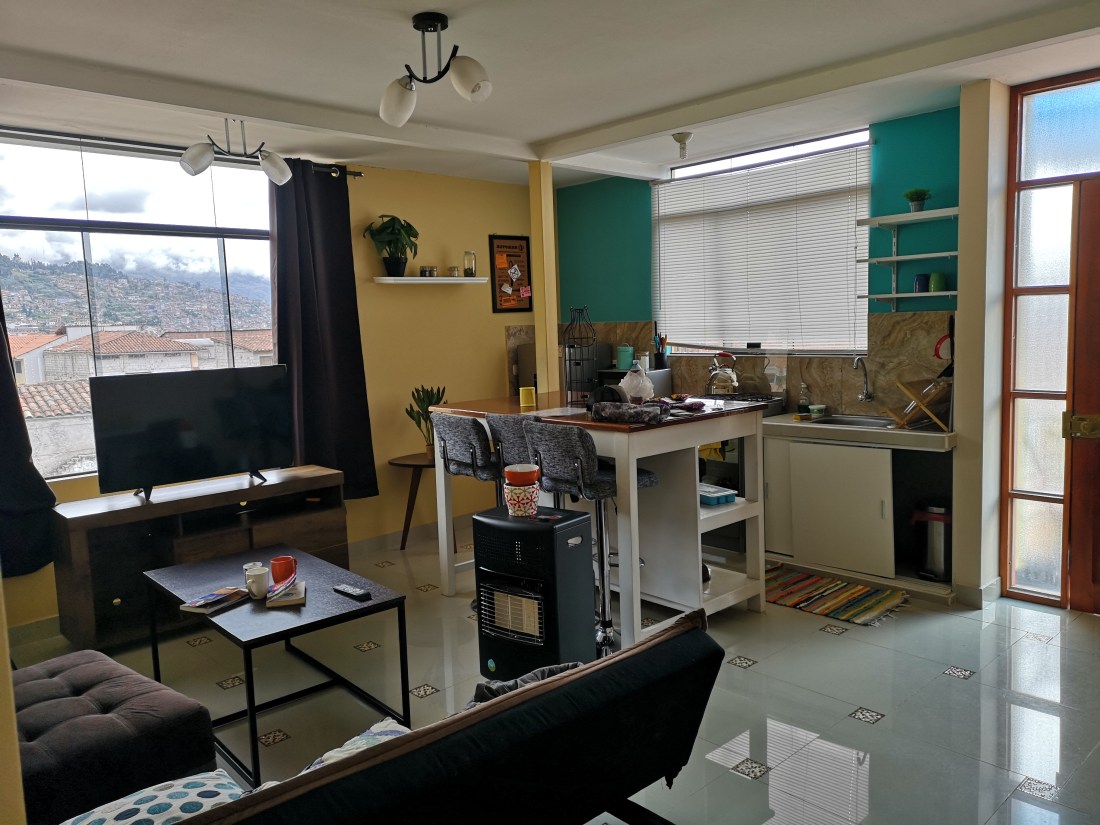
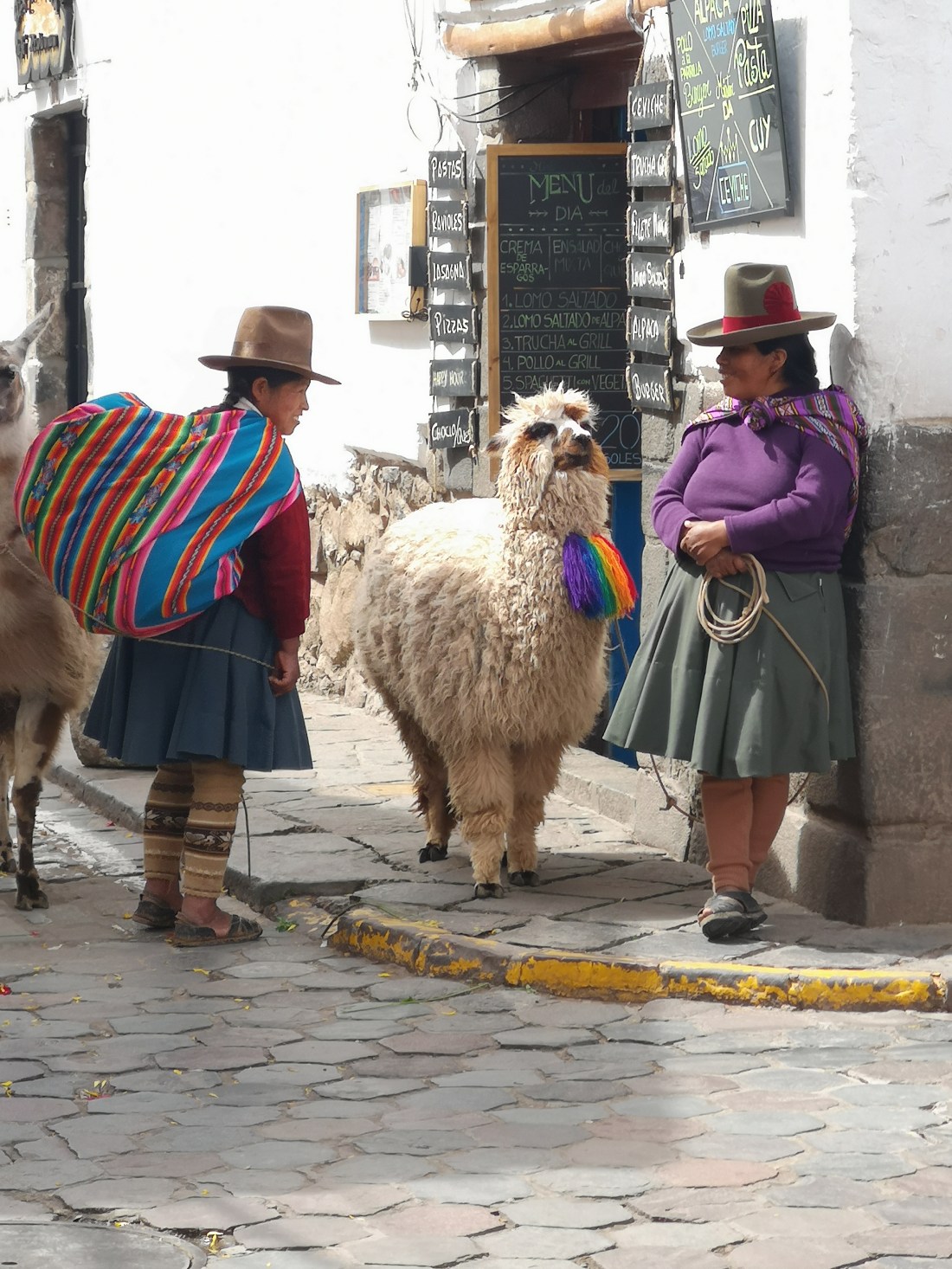
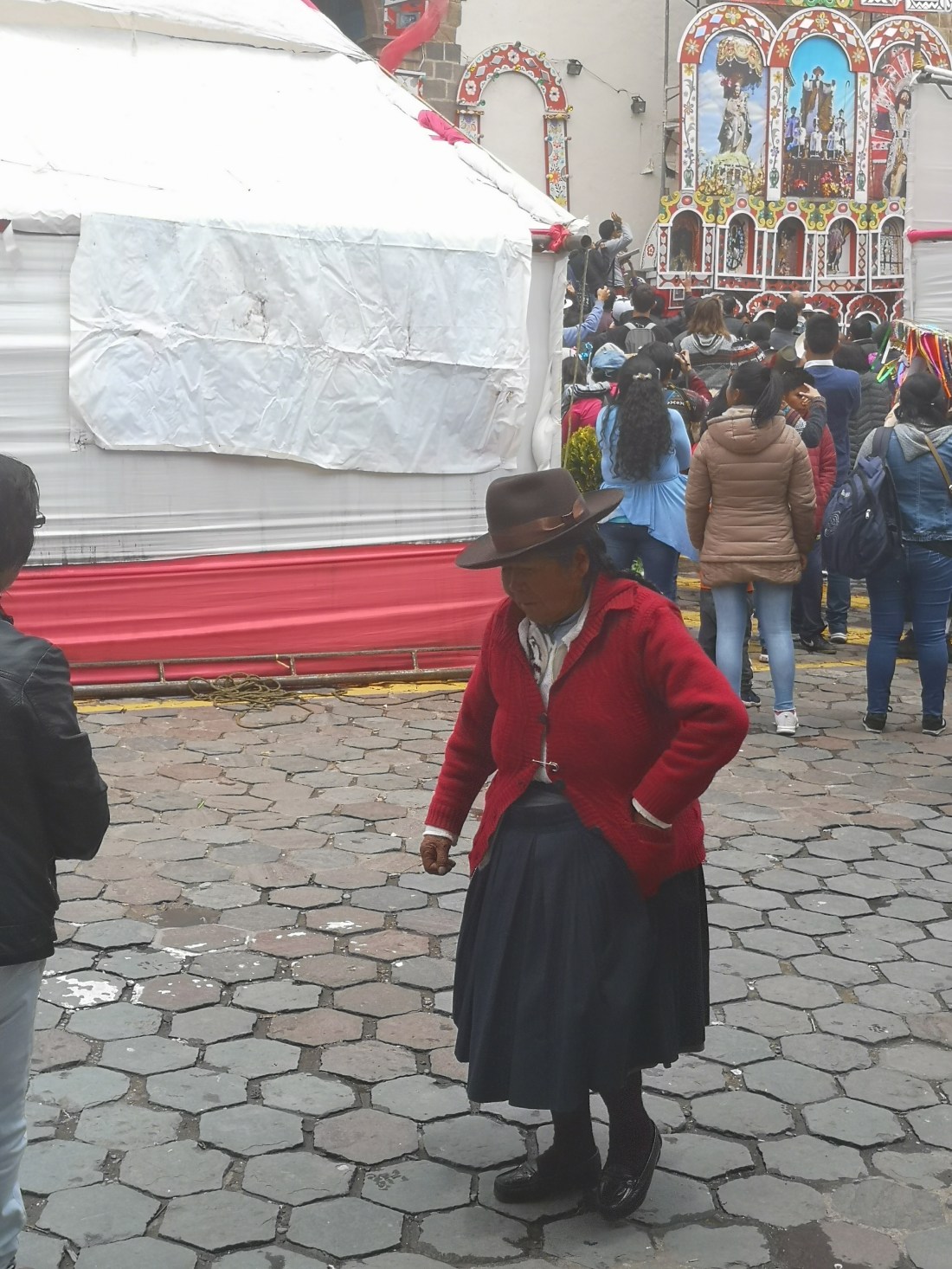
We rented an apartment close to the center, which was to be our base for the next five days. It was nice to have our own space for the few days to just come and go as we pleased. We ended up having a lot of ‘down’ time while in Cusco. It was nice walking around the town exploring the really colourful culture of the Peruvians.
Machu Picchu was a must on our to-do list, but apart from that we did not have much else lined up.
We considered doing the Rainbow Mountain hike, as we had heard it was really good, but the intensity and altitude (above 5000m) was probably a bit ambitious for us. We had just done a hike at 4200m from Huaraz, which was a ‘relatively flat and easy’ hike but still felt like it was at our limits of altitude and fitness. It was also rainy season, and some reviews said it made the hike more difficult and often the view at the end was a let-down in poor conditions. That was more than enough reason for us to not do the hike.
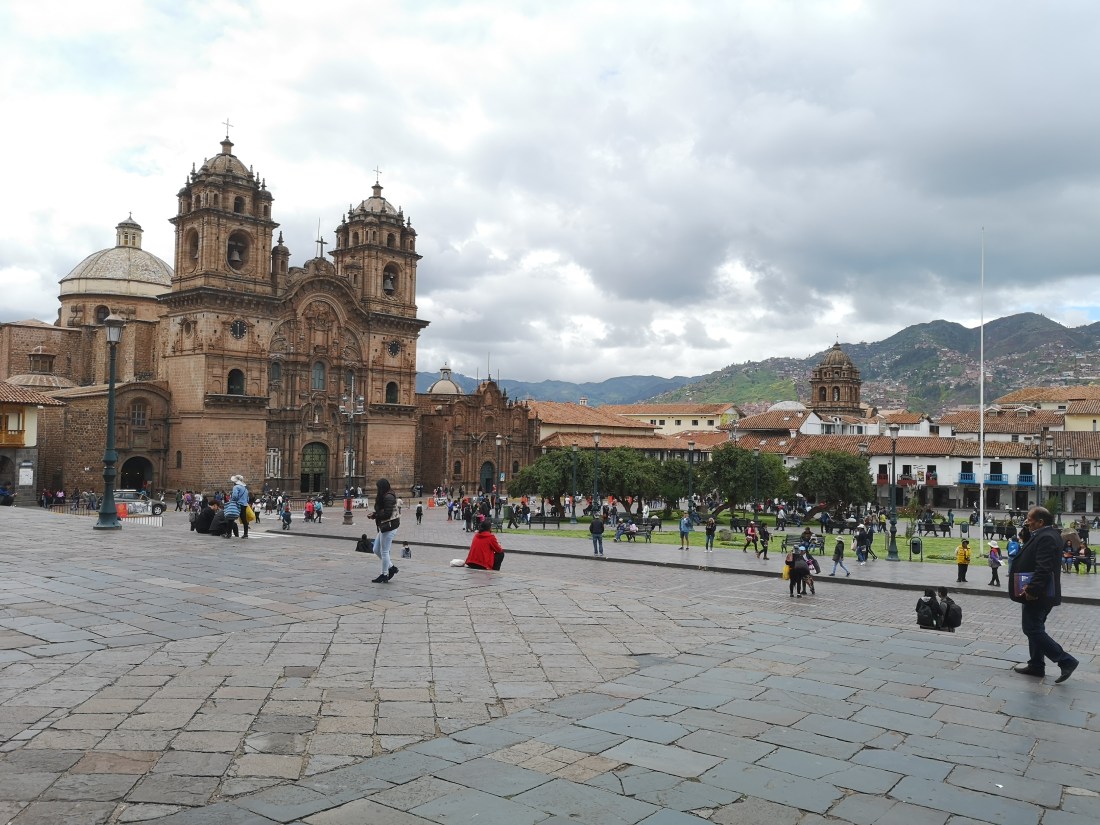
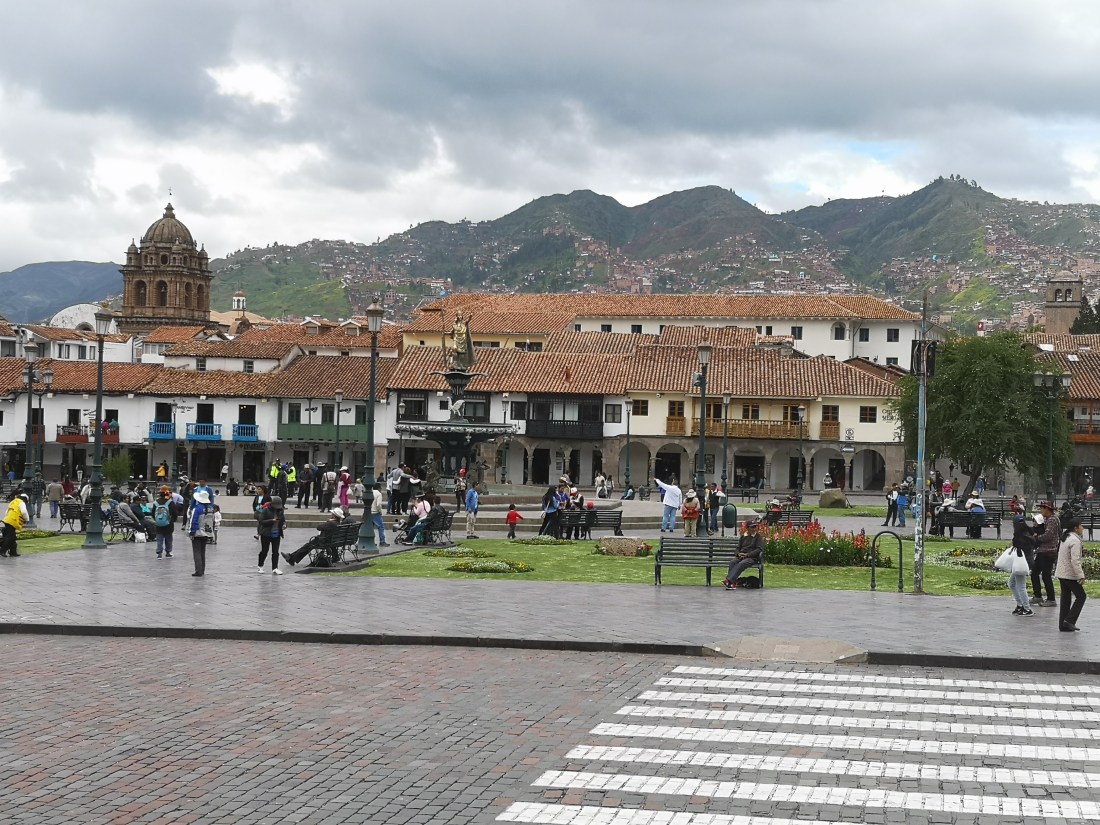
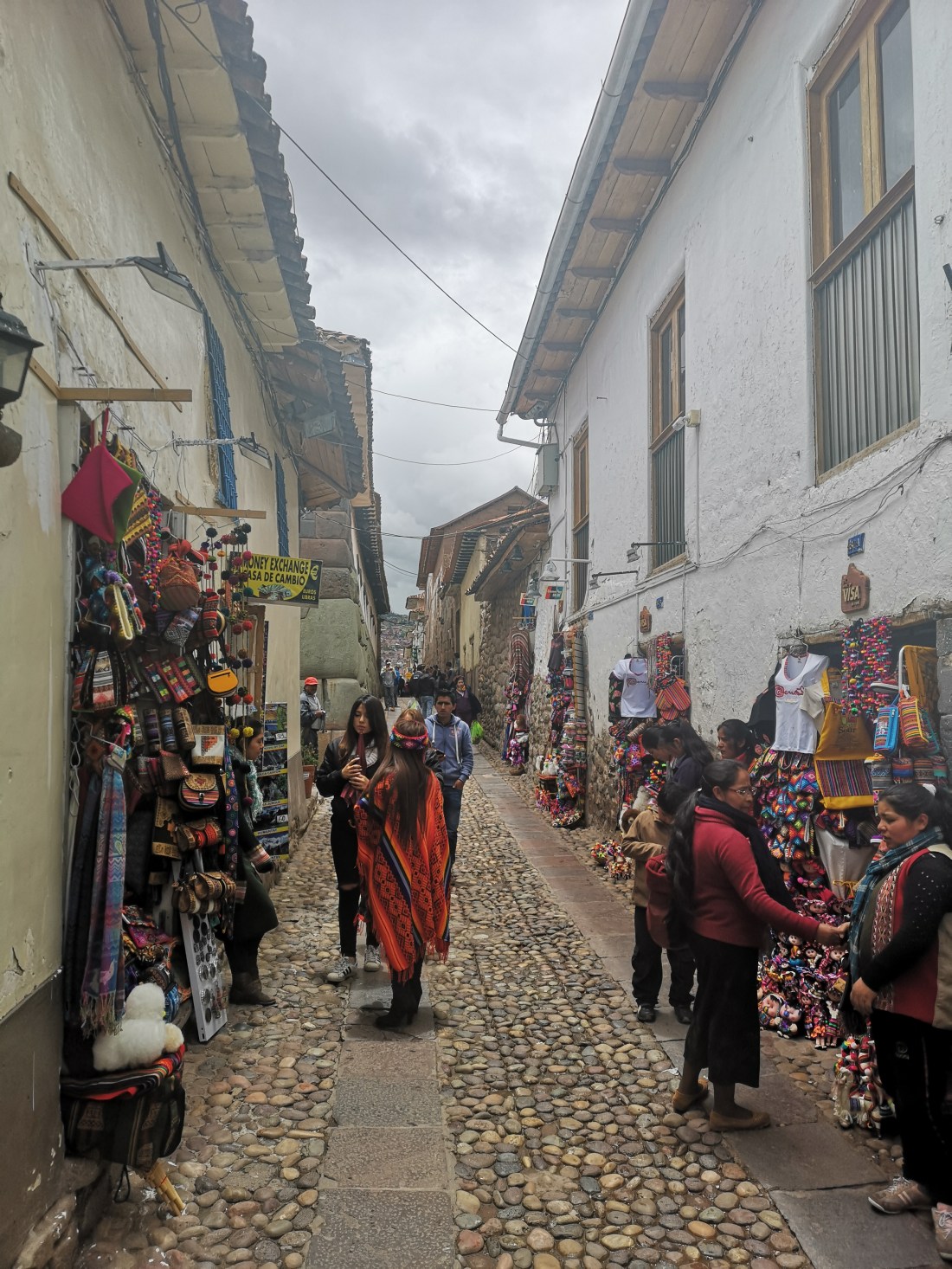
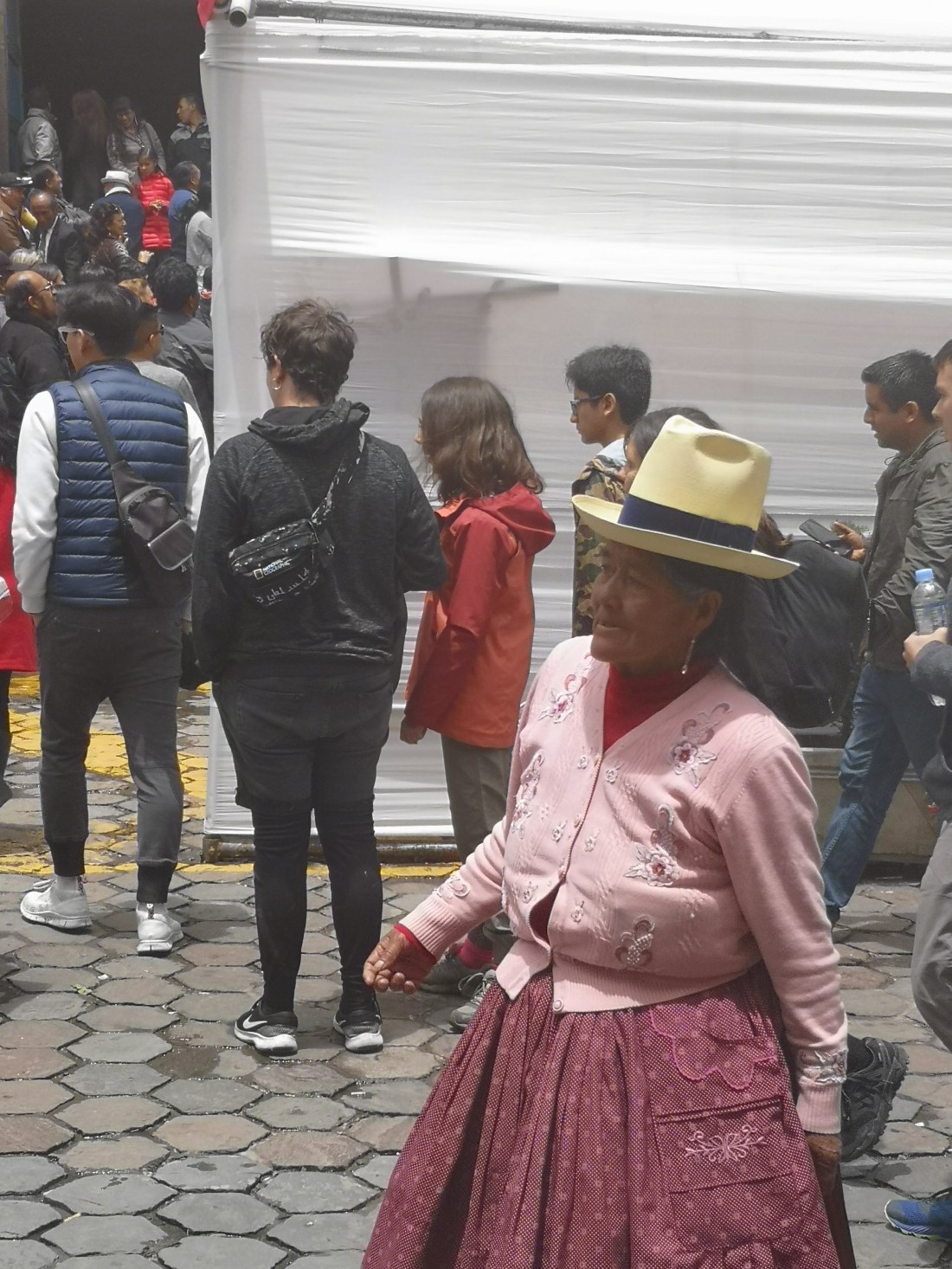
On the first day we awoke to cold weather. The apartment didn’t seem particularly geared for it, besides the little gas heater but unfortunately the gas had run out! We decided to head to town and explore what it had to offer. It is quite a scenic town with a strong tourism feel, with many shops selling hiking gear, tours, excursions and souvenirs. In the center of town you are constantly harassed by people trying to convince you to buy whichever of the above they have for sale.
As with most of the touristic towns there are many stalls all around the center of town generally all selling the same souvenirs and trinkets.
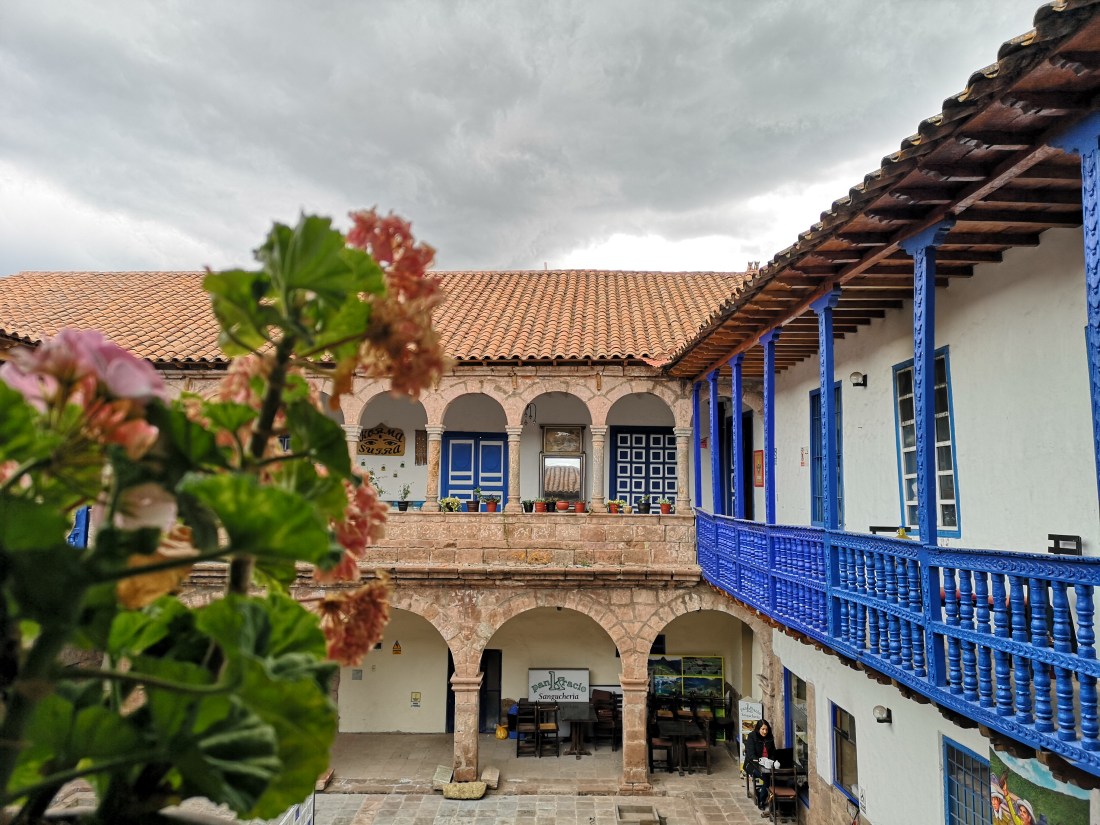
We had an early lunch at a restaurant in one of the old buildings with a lovely courtyard in the middle. It’s quite common for restaurants to offer a ‘menu’ which is 3 course meal of soup, starter and main. They’re usually quite affordable and the portions are decent.
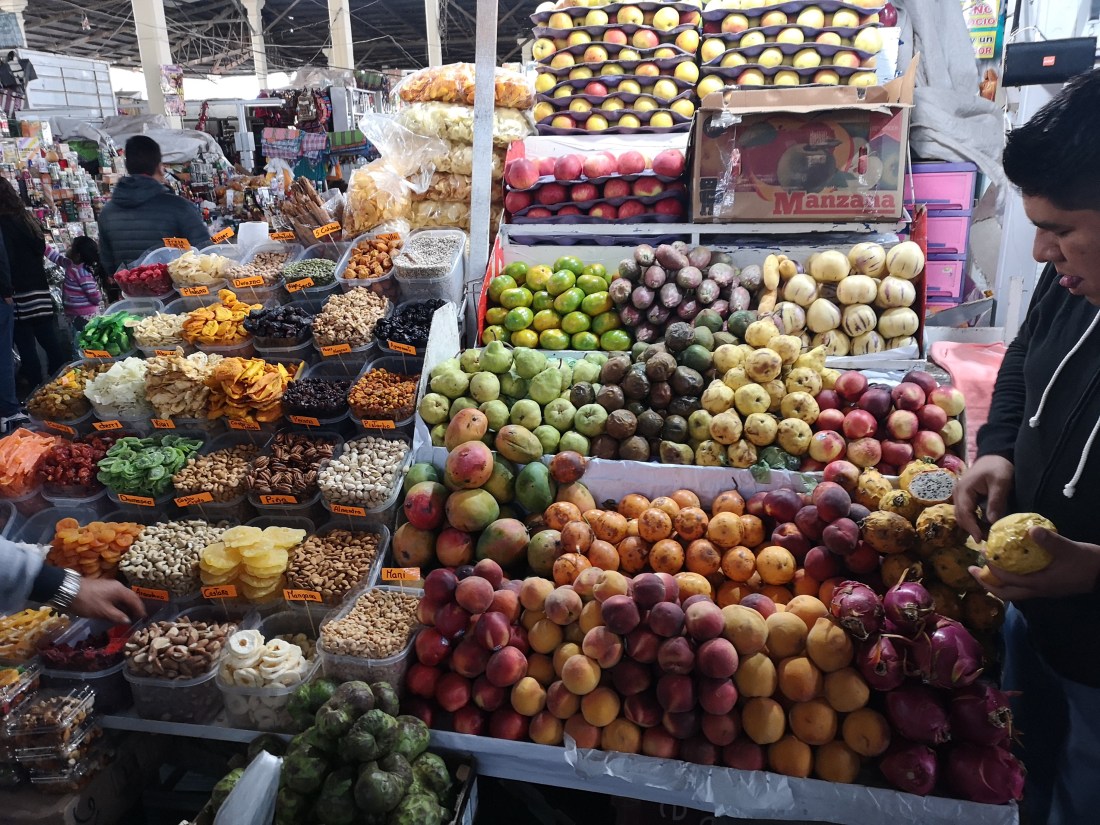
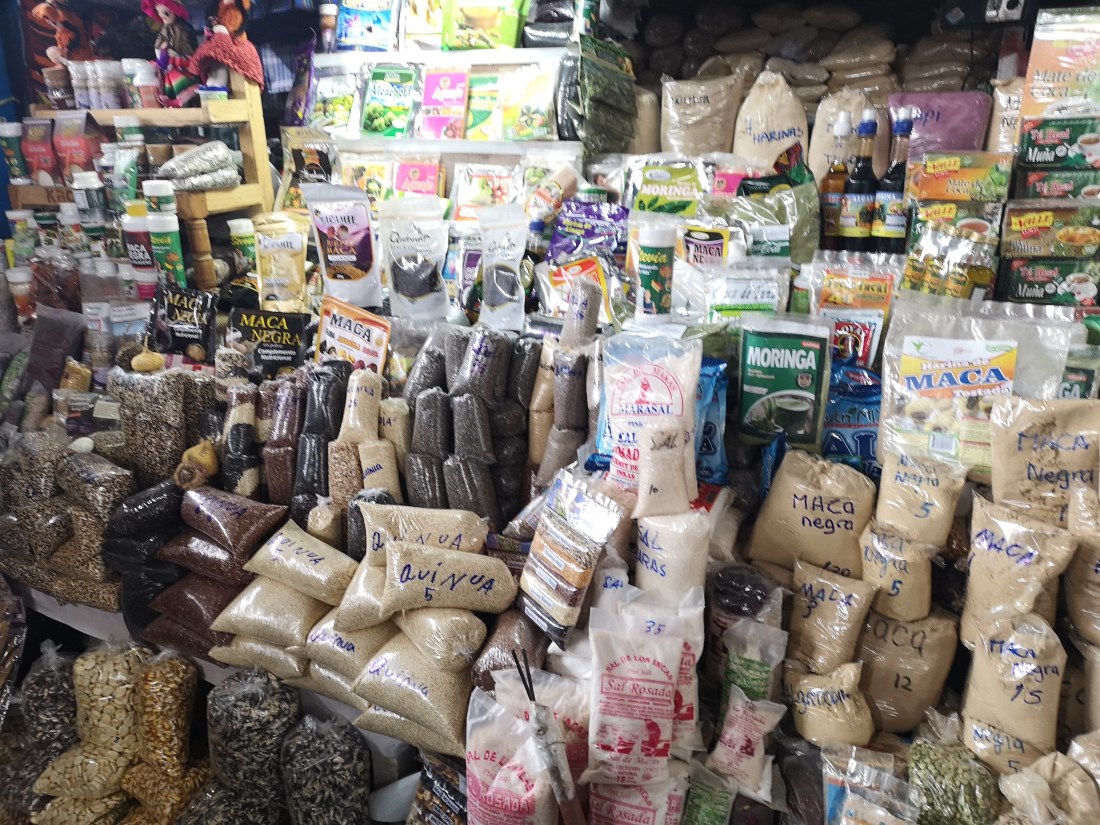
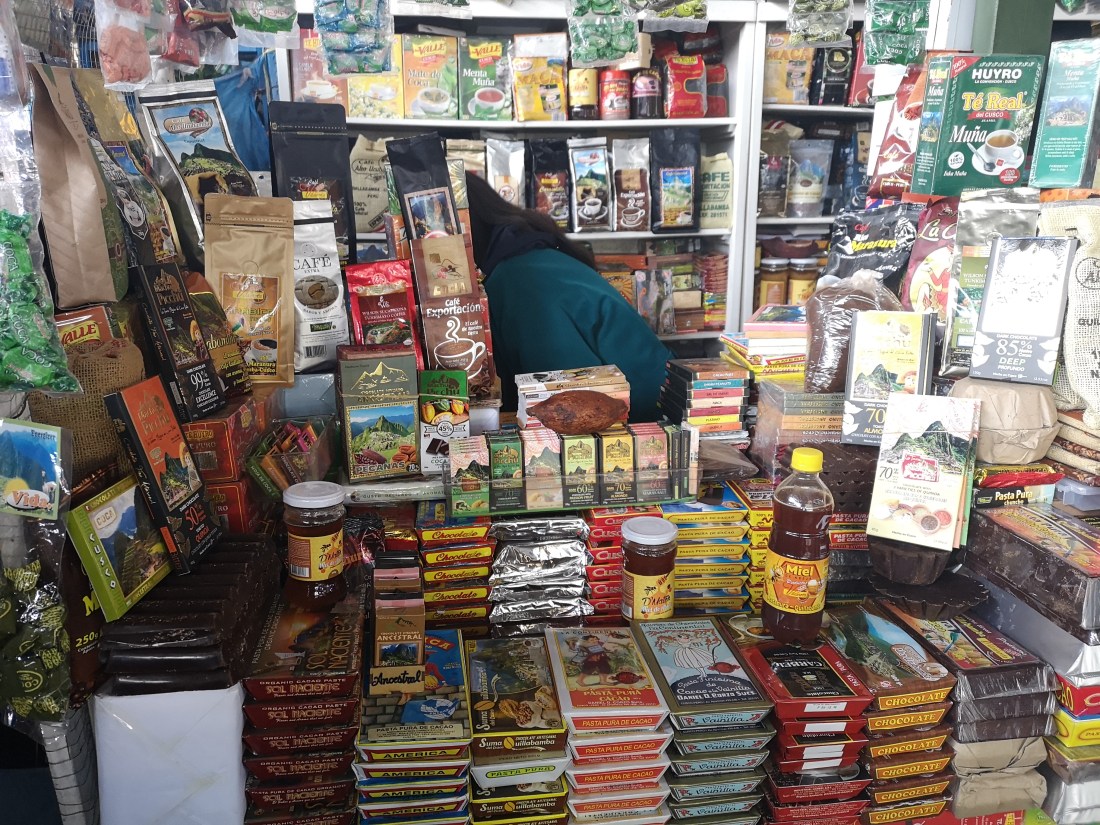
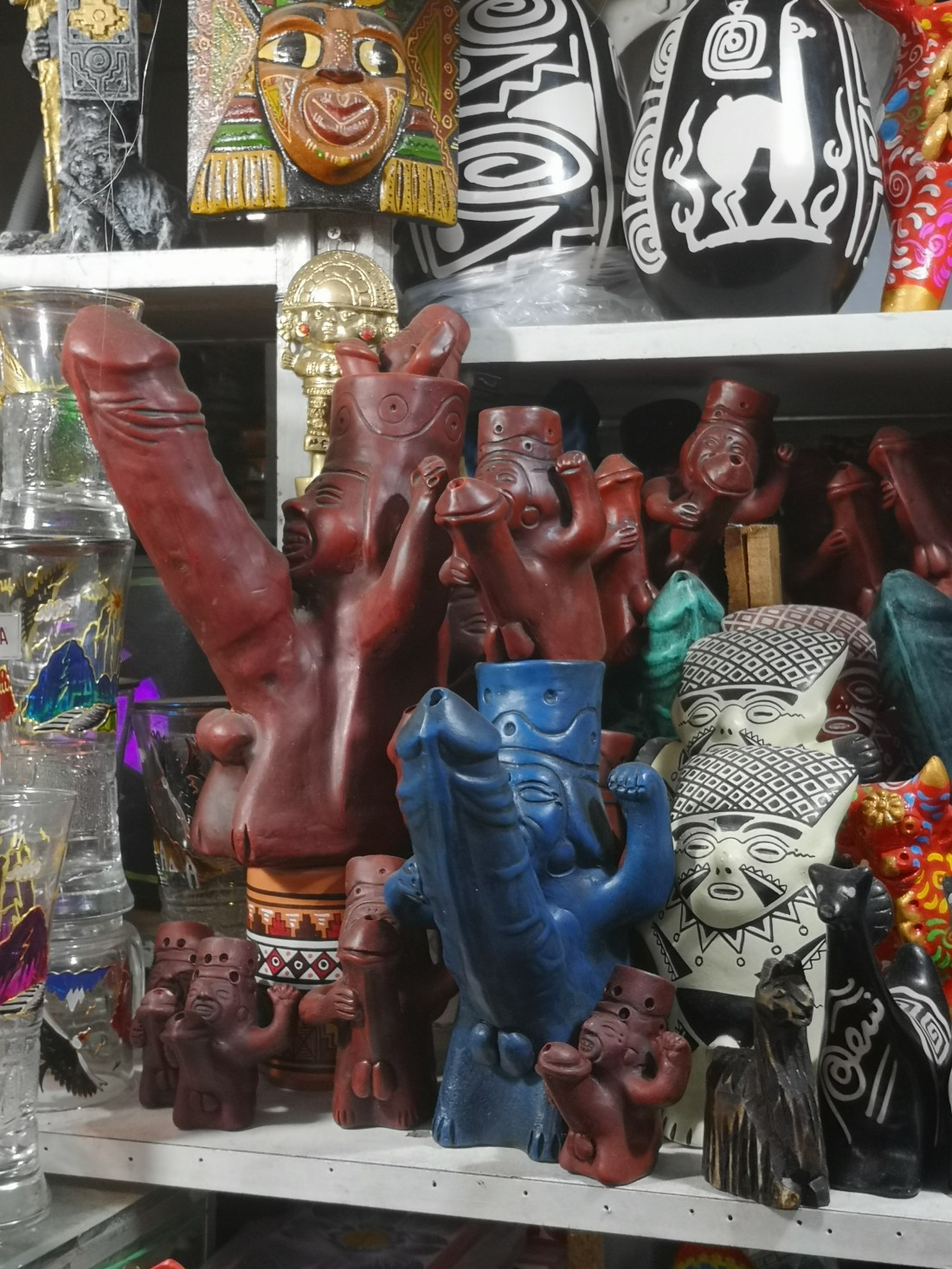
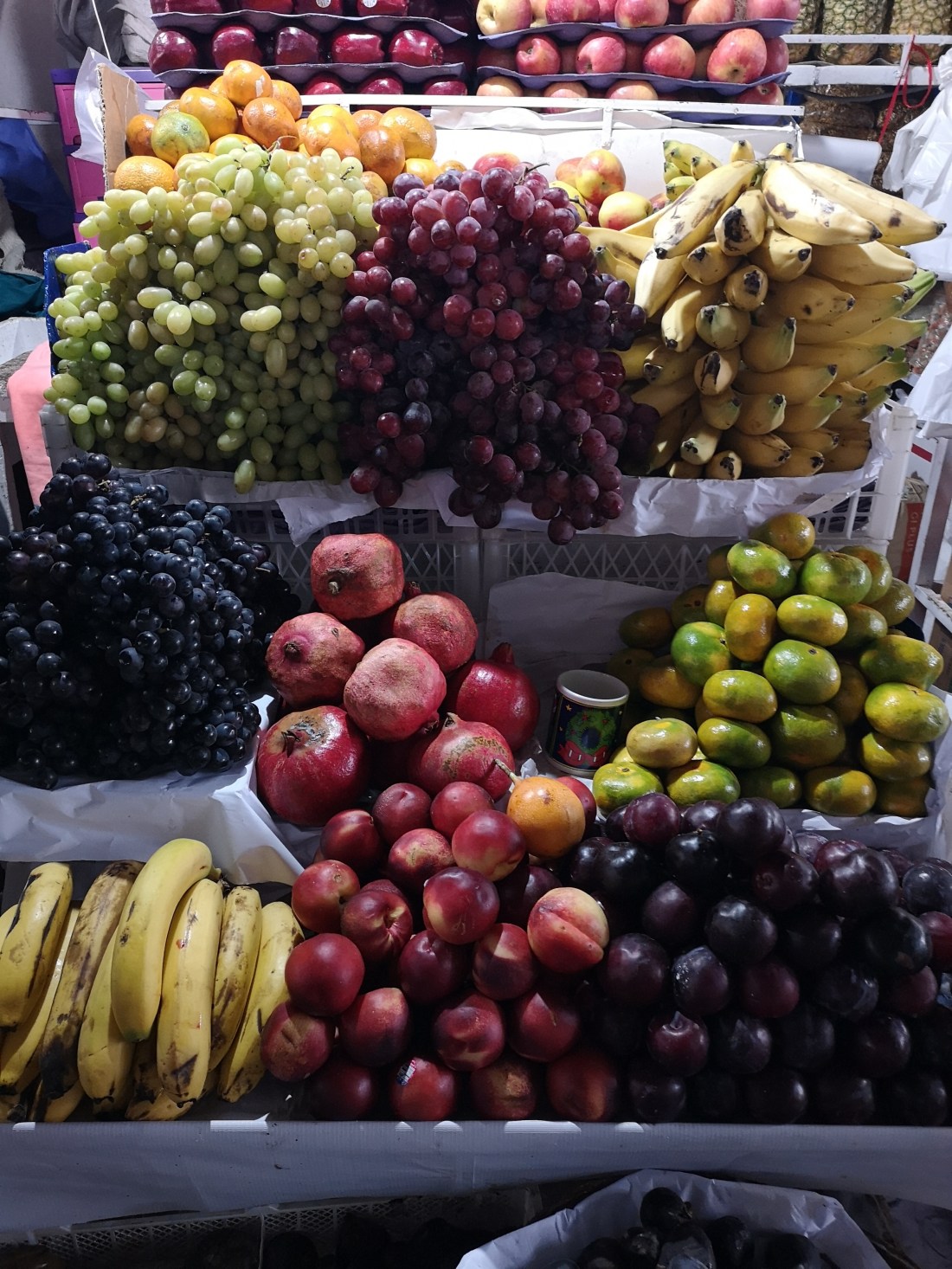
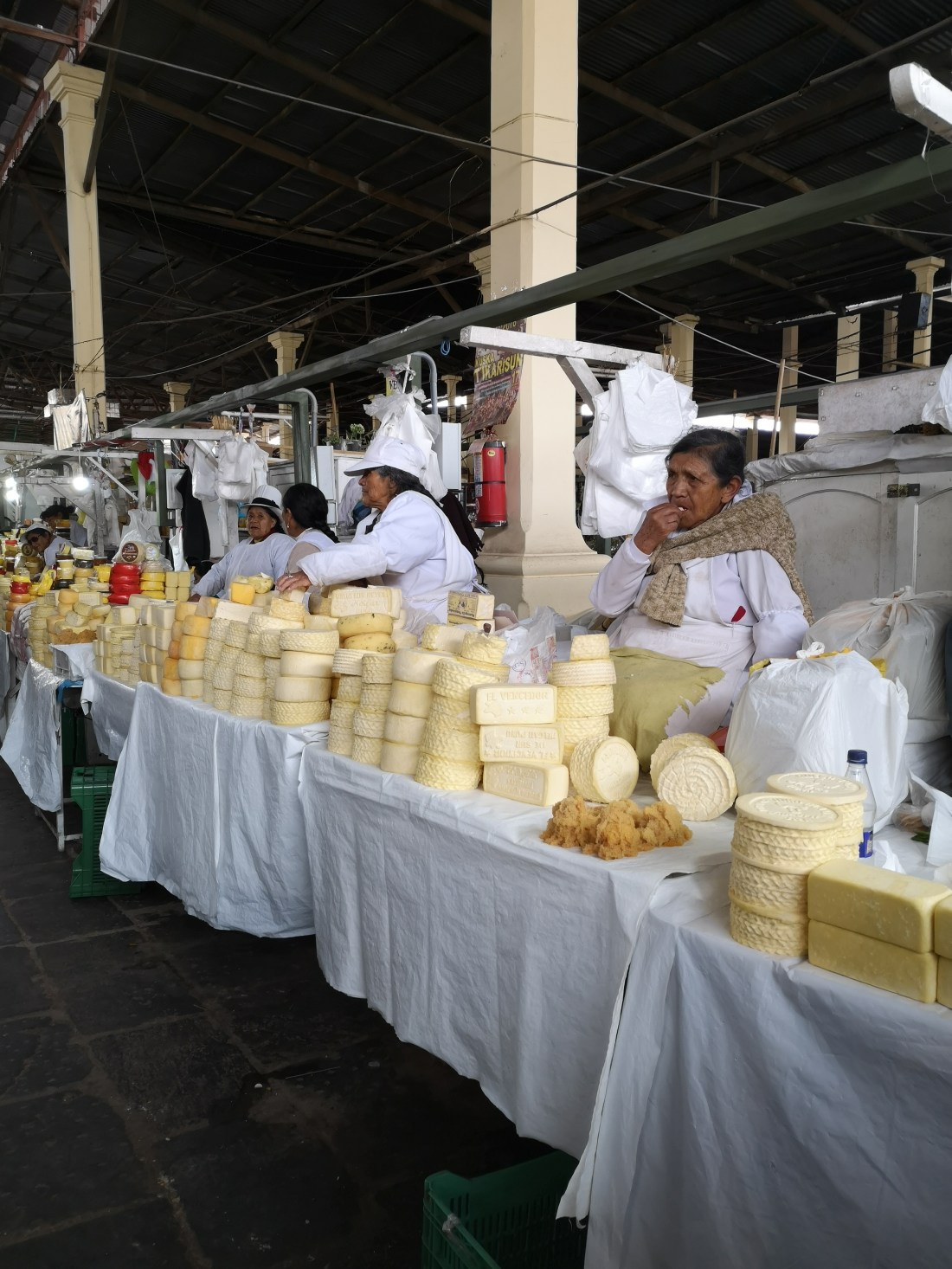
After lunch we explored the San Pedro market, which is a big indoor marketplace and had all the same souvenirs as the rest of the town just on a much larger scale, as well as so much more. The market has everything from butchers stalls with pig heads on display, colourful fruit and veg stands (Peru has over 3000 types of potatoes!), stalls with local herbs and spices, breads, cheeses, chocolates, flowers, and of course the colourful traditional clothing items made from alpaca wool which Peru is famous for. They also seem to have a slight obsession with fairly lewd statues/pieces, which is rather odd.
By about 15:30 it started to rain quite heavily so we decided to head back to the apartment and watch some Netflix and plan the rest of our stay.
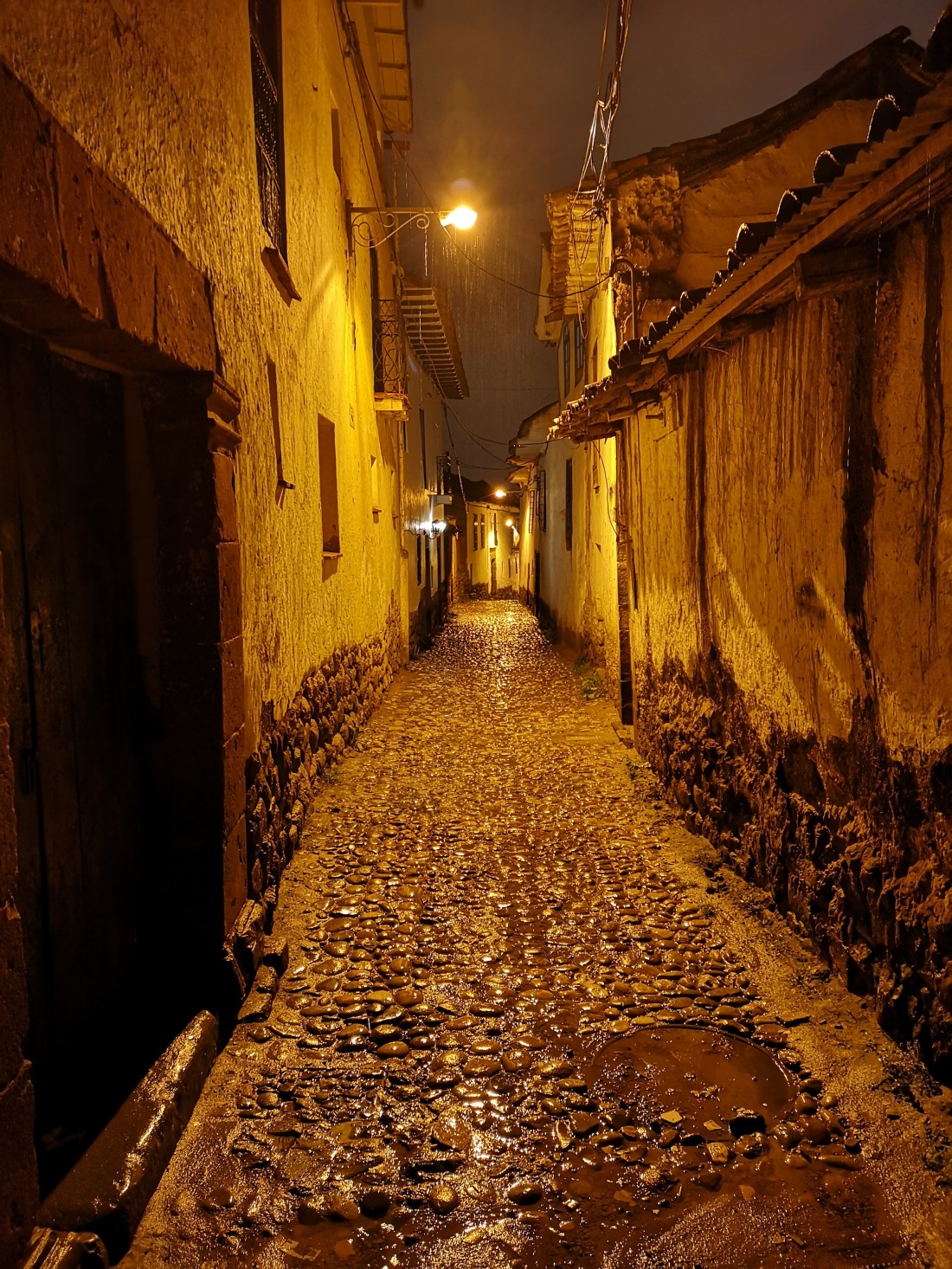
That night we headed out to a restaurant that we had found online with good reviews. It wasn’t too far so we decided to brave the drizzle and walk.
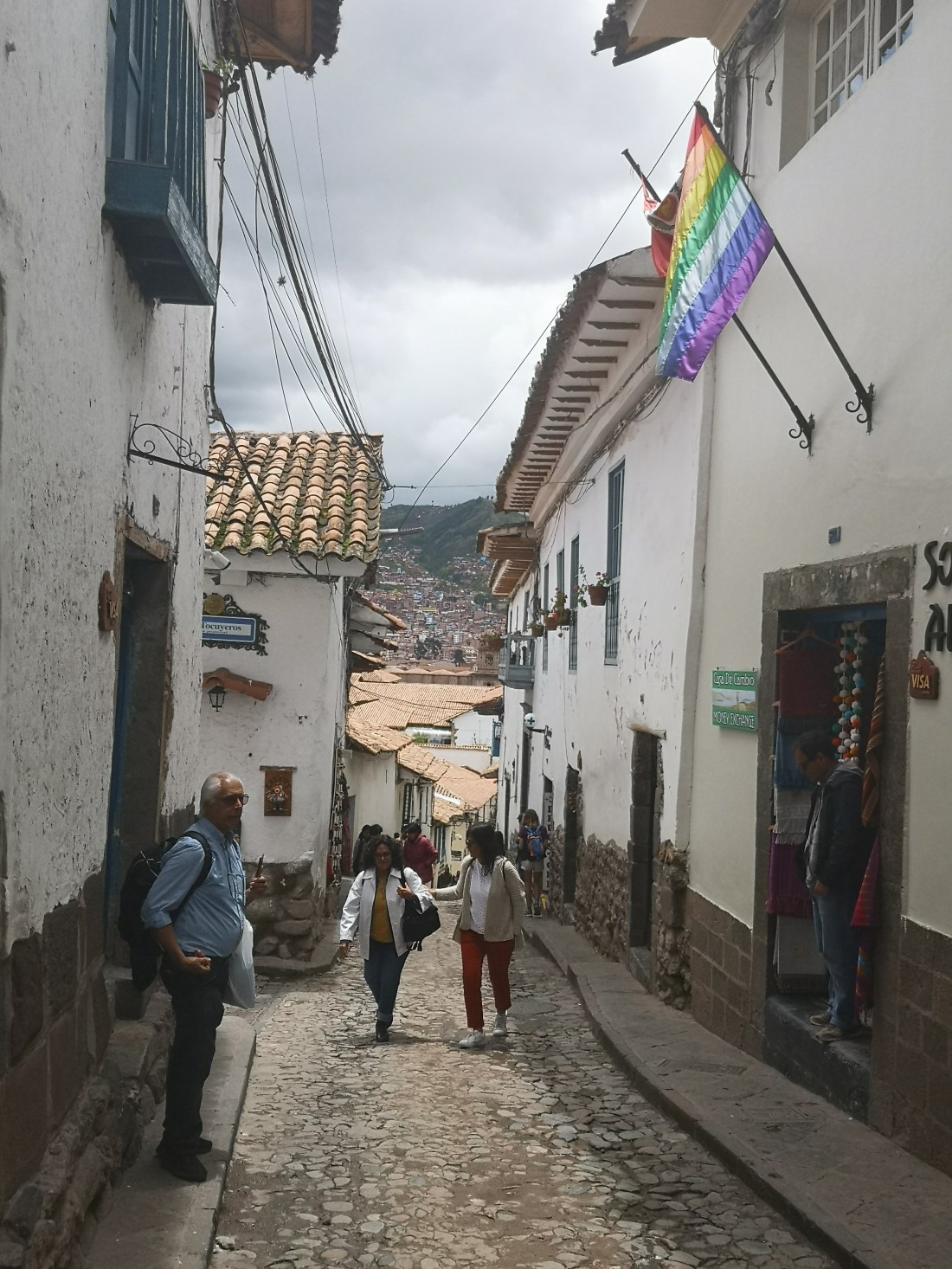
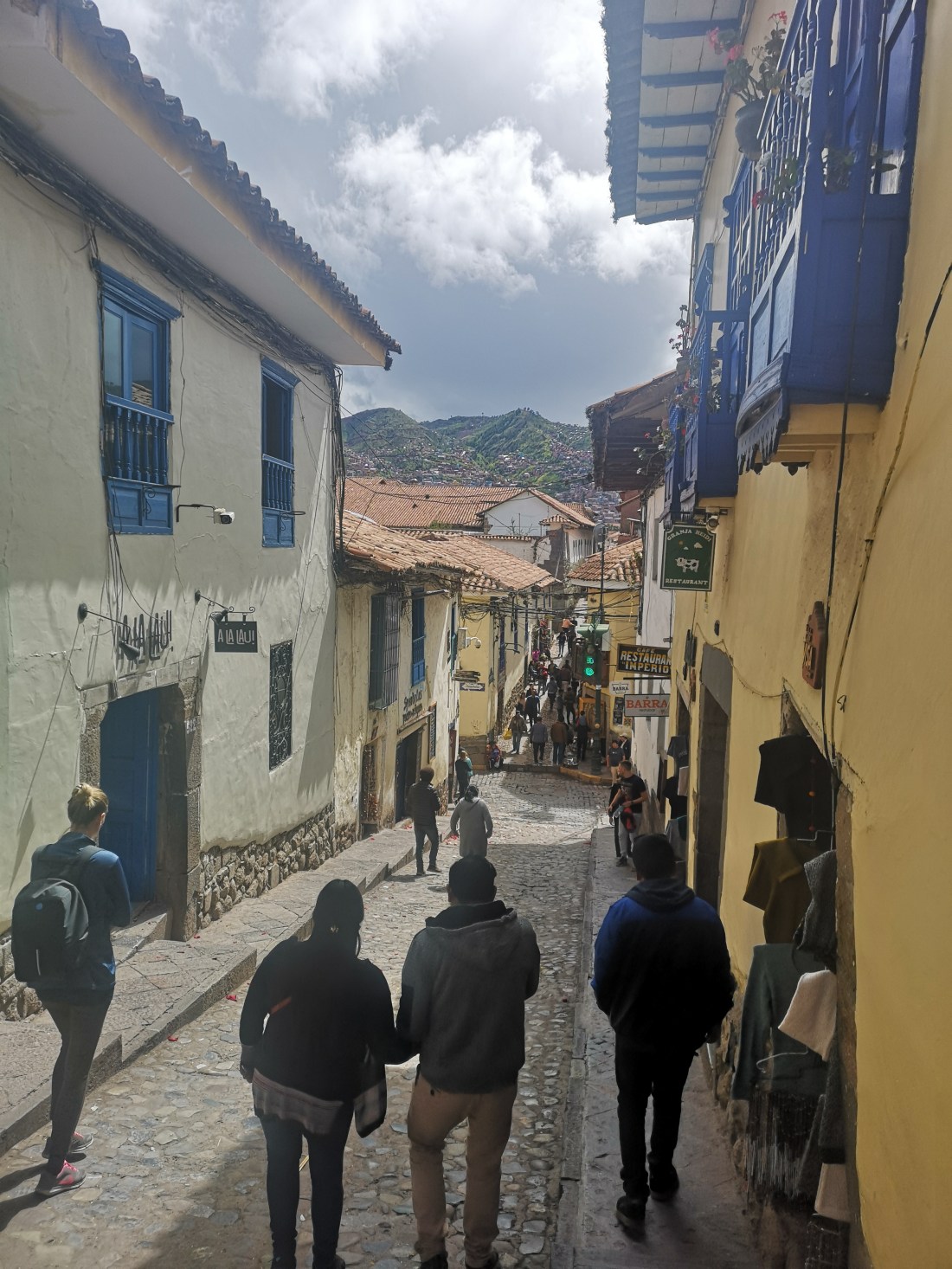
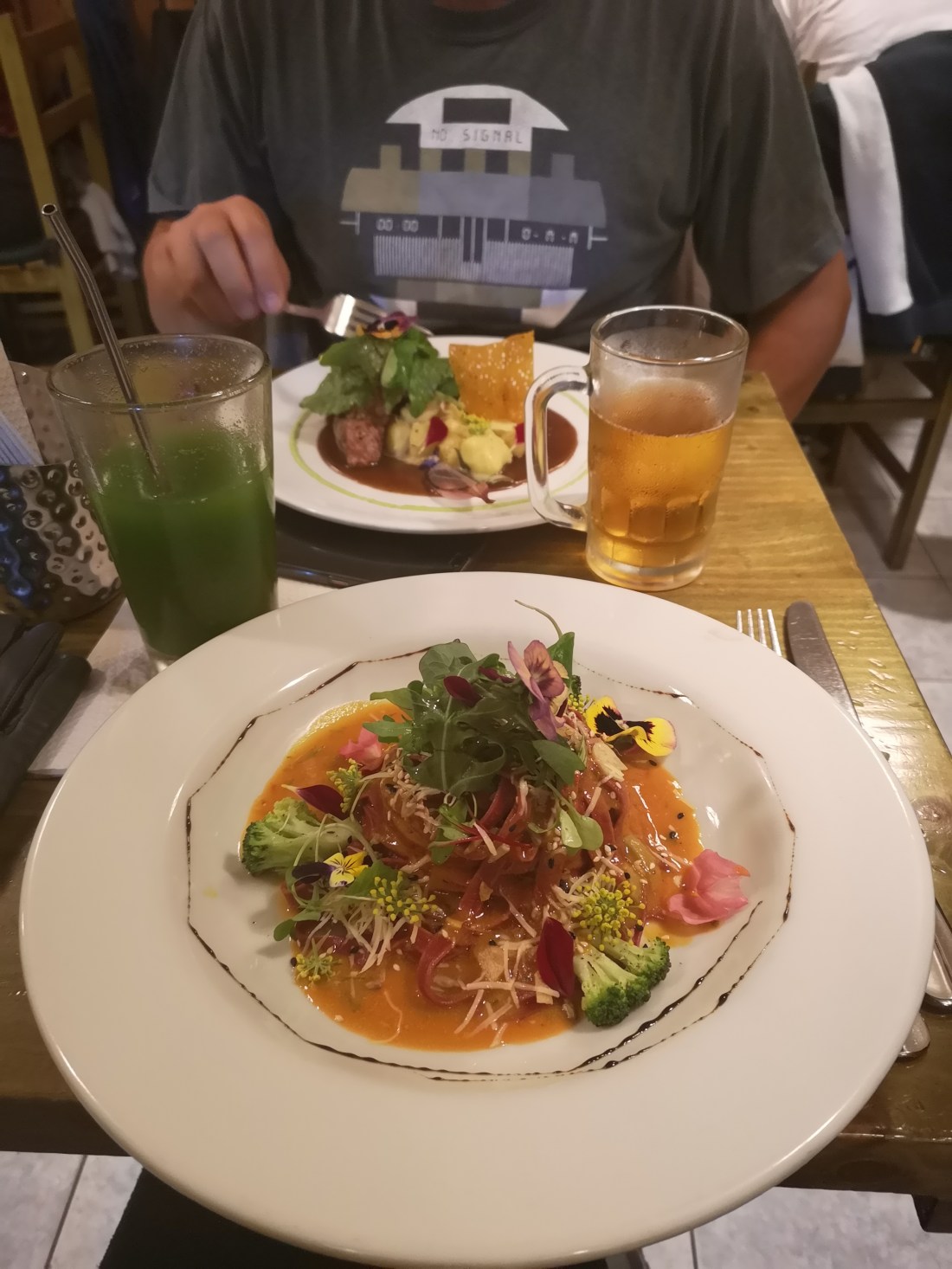
The restaurant was quite hidden away in an area of narrow cobbled streets. We again questioned Google maps’ choice of route, but we got there. The restaurant was tiny but we managed to get the last table. Their ‘claim to fame’ was their alpaca steak, so it would be rude not to try it.
The alpaca steak didn’t have any fancy sauce with it but the meat was just really tasty. Alika was not going to eat a cute, furry animal so she had a pasta dish, which was also really good. Although she did have a taste of the alpaca, and admitted it was ‘quite tasty’. Small victories.
The following day we had booked a cooking course that teaches you how to make some of the more traditional Peruvian dishes.
The cooking course started off with a trip through San Pedro Market (that we had visited the previous day) to stock up with all the necessary ingredients. It was interesting exploring the market with a local Peruvian who told us about all the different items on display, as well as arranging for tasting of various interesting things that we had no idea about in our first visit.
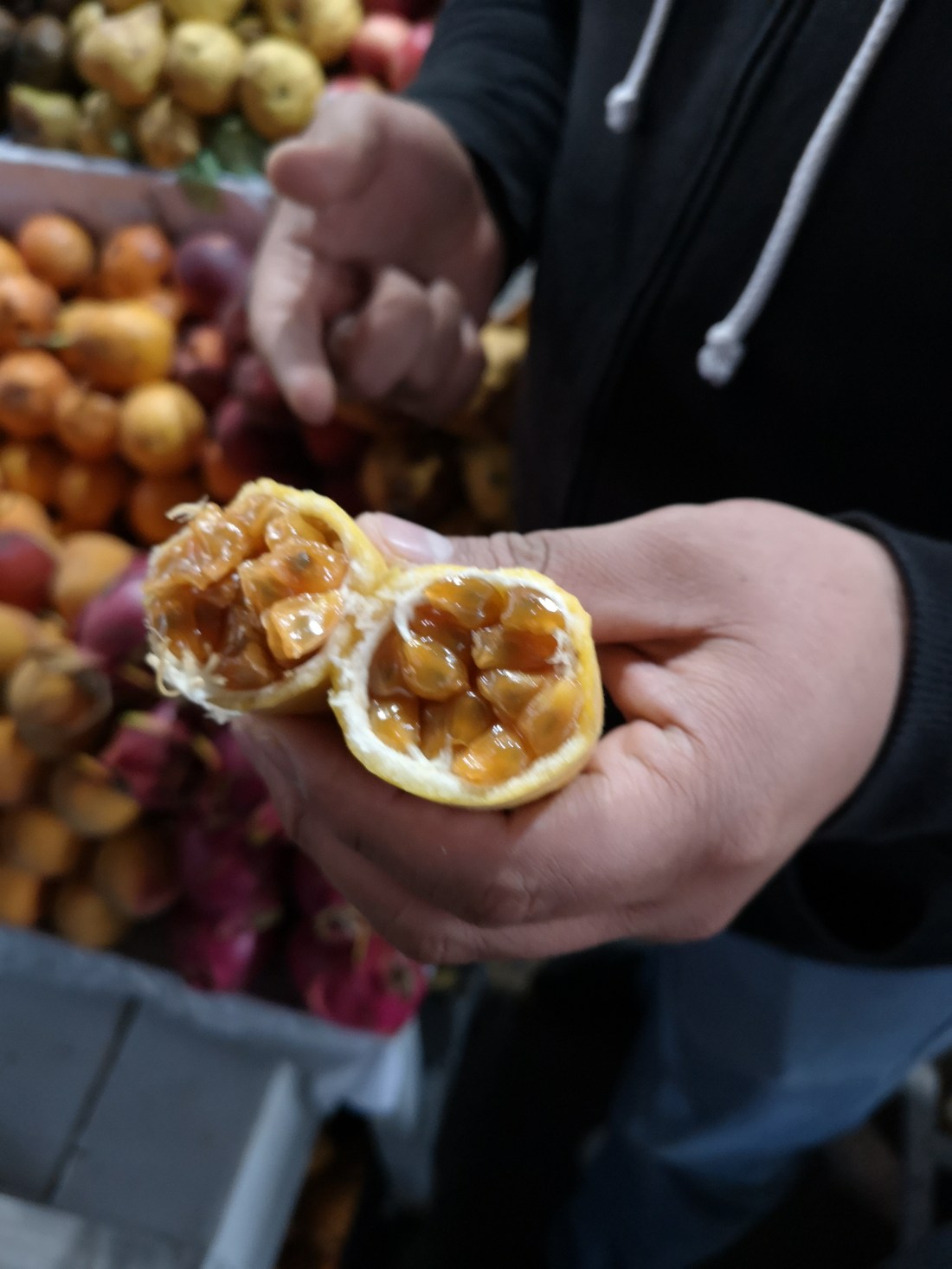
We were fortunate that it was just us 2 on the course (the course takes up to 8 people). It was very interesting! We made 3 different variations of Peru’s national dish – ceviche: the traditional version, a version with some granadilla, and a Japanese (Nikkei) version.
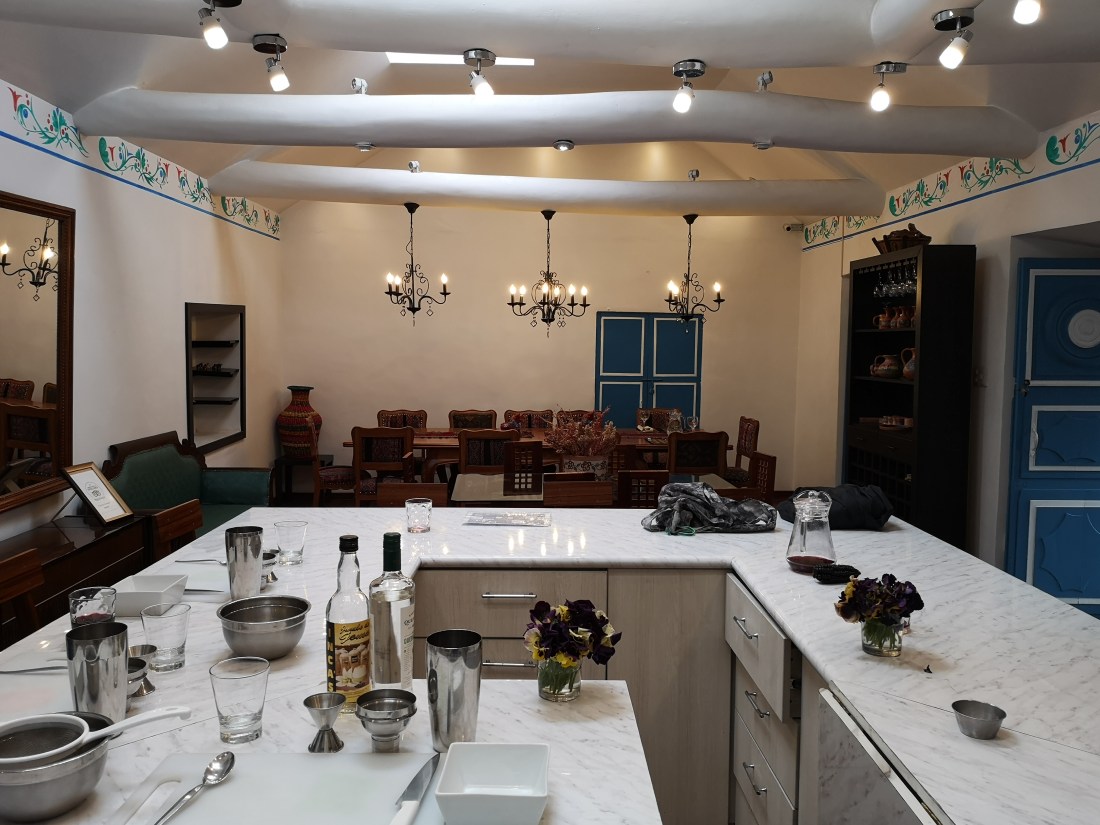
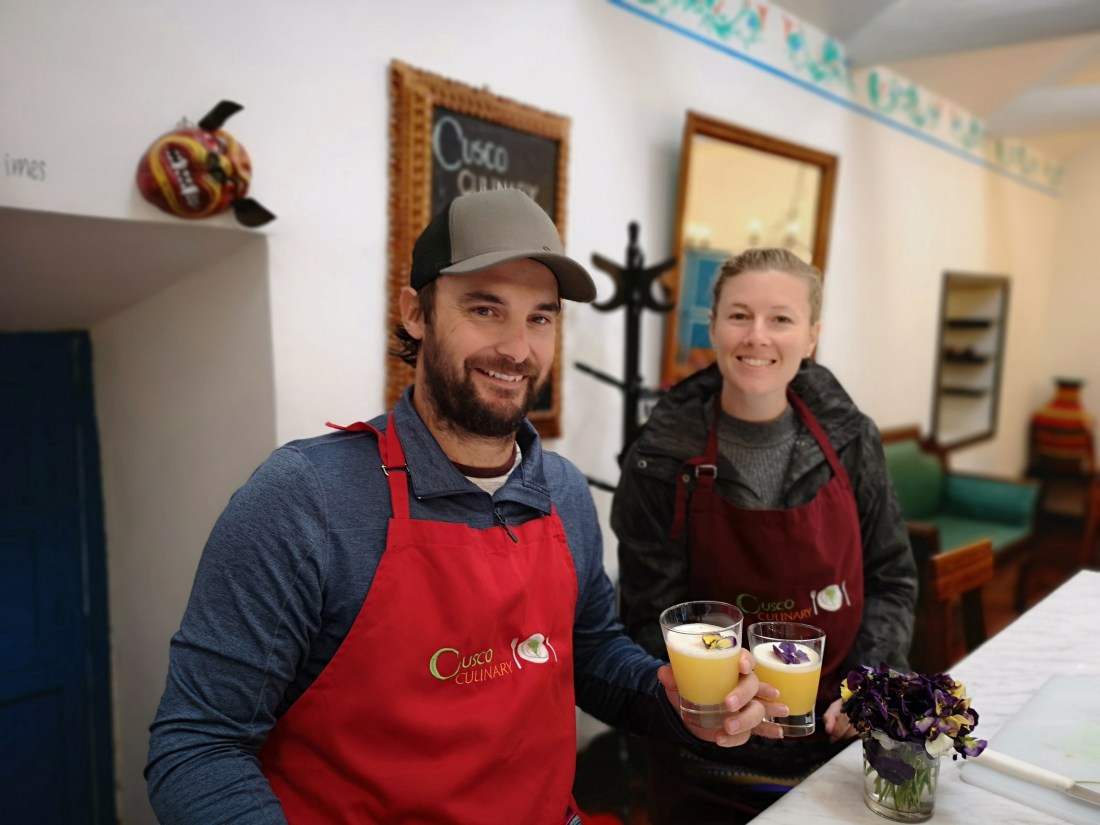
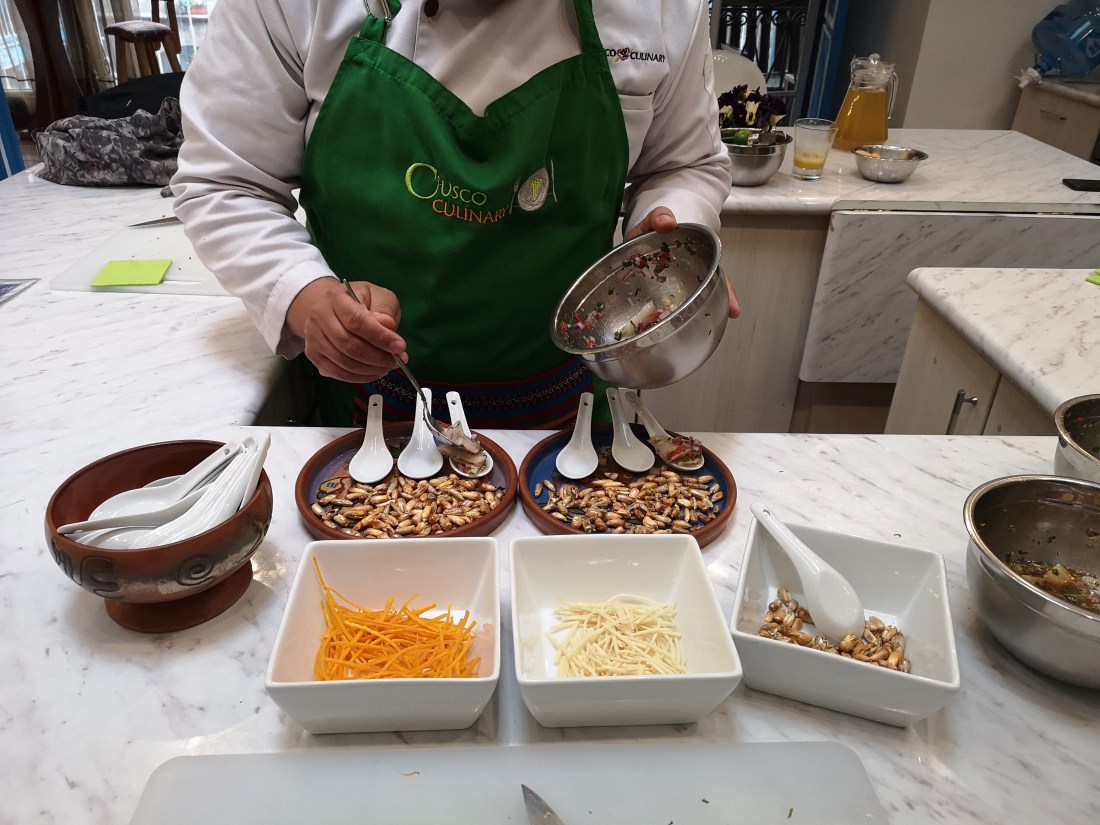
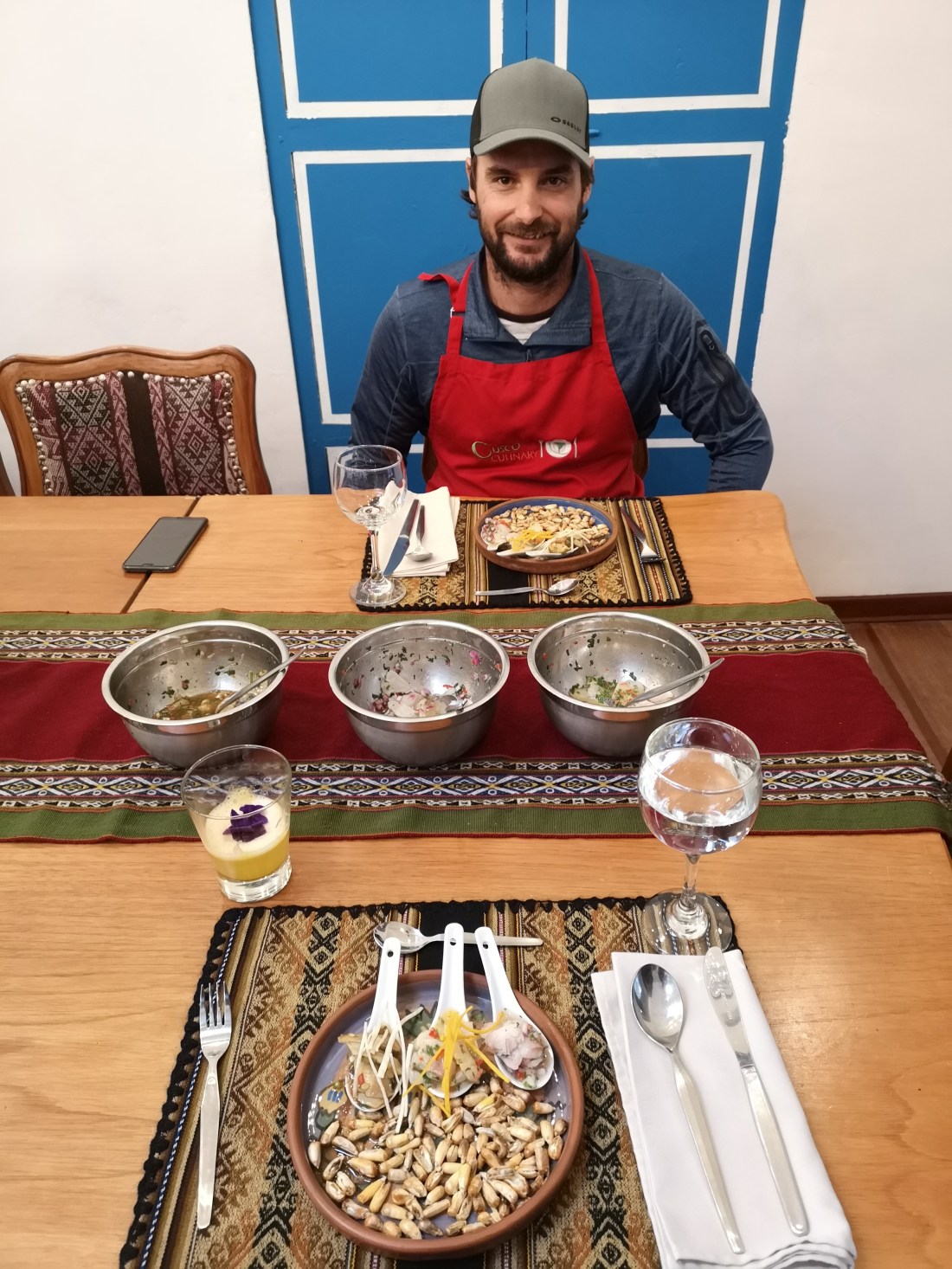
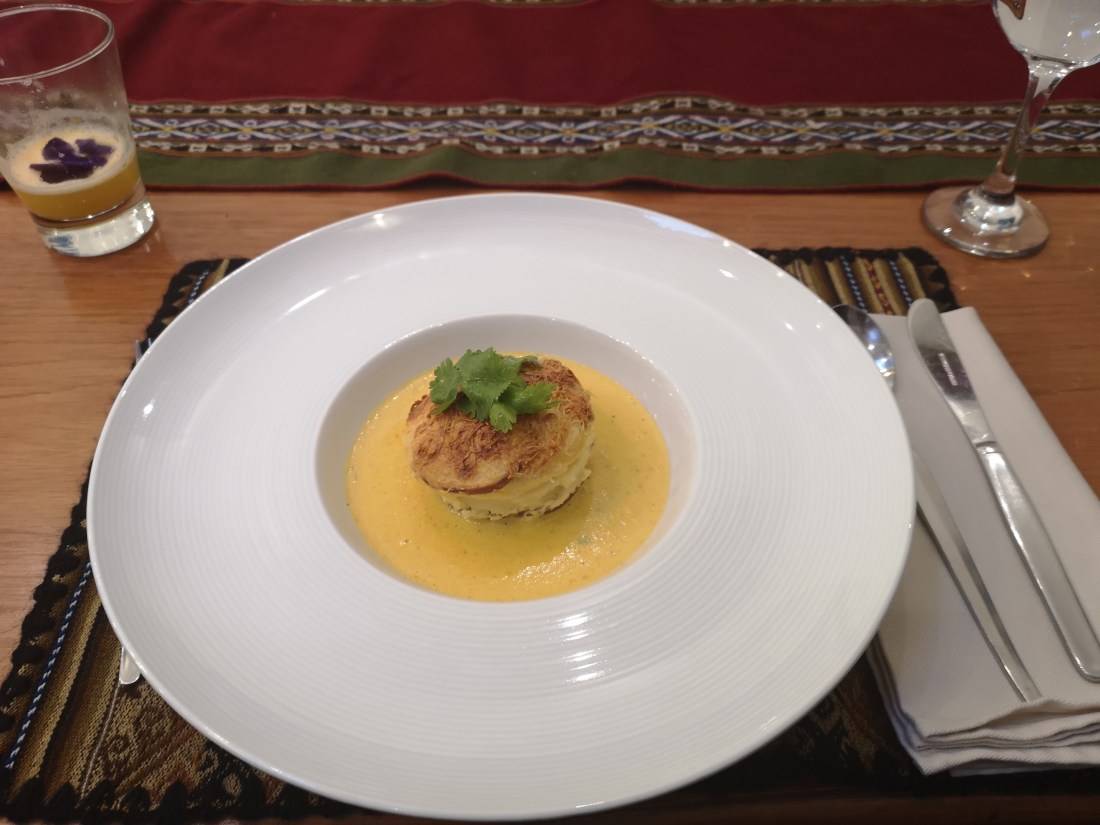
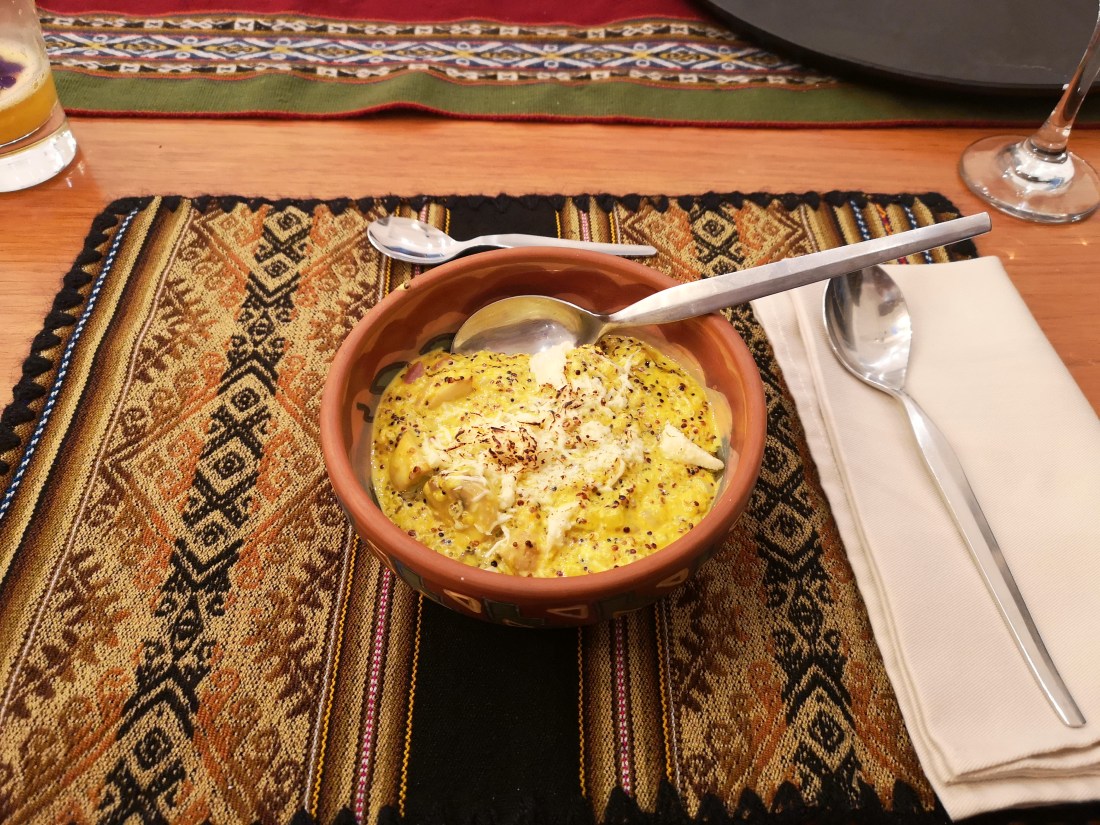
We then made a potato and cheese souffle, and a ‘quinoa risotto’ with a yellow chilli and cheese paste/sauce.
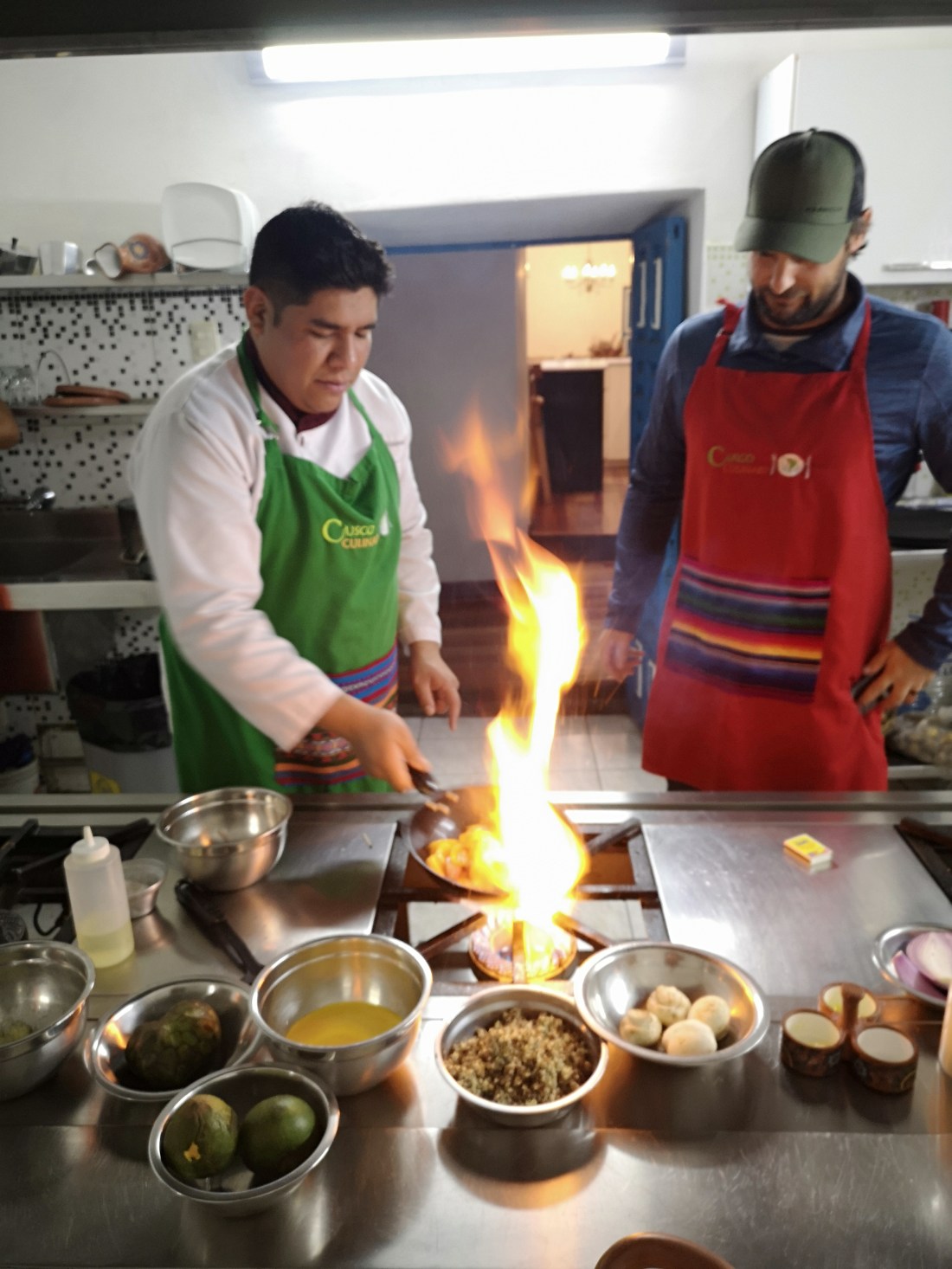
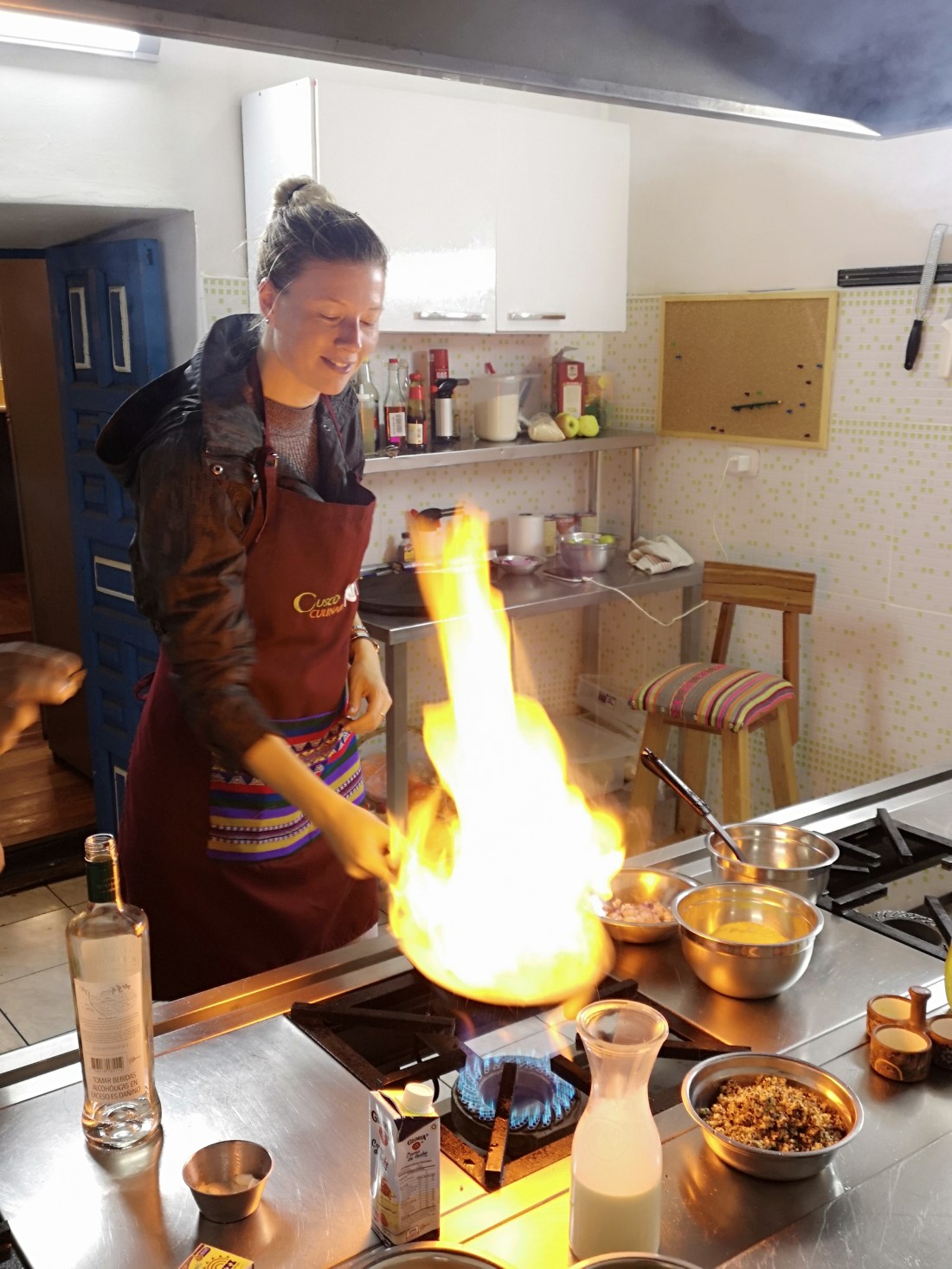
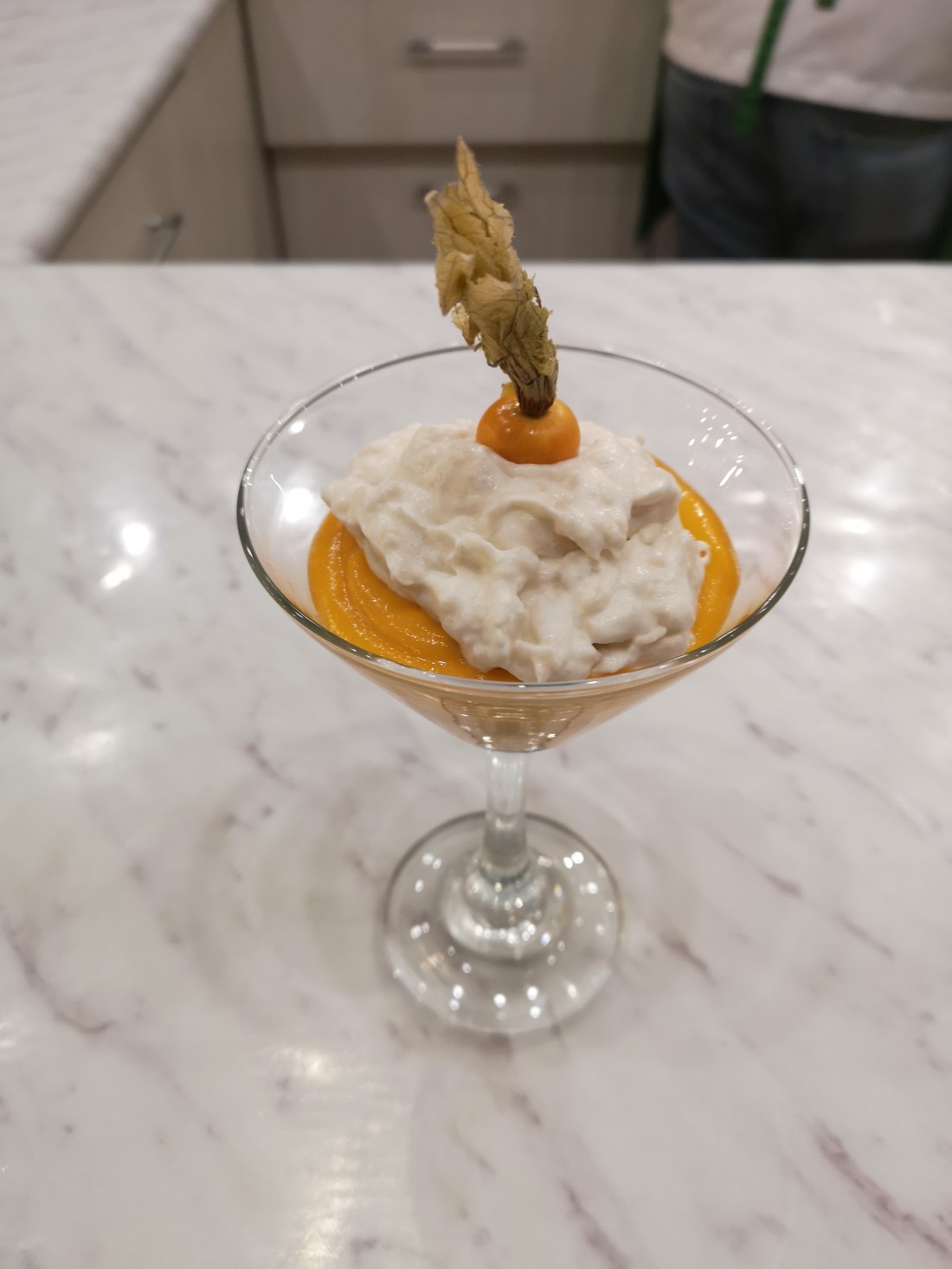
For dessert we made custard apple and lucuma dessert, which was simple and very tasty, considering it was just the lucuma blended with sugar and custard apple folded into whipped cream for the topping. Lucuma, once blended, is very similar to a caramel flavored pudding.
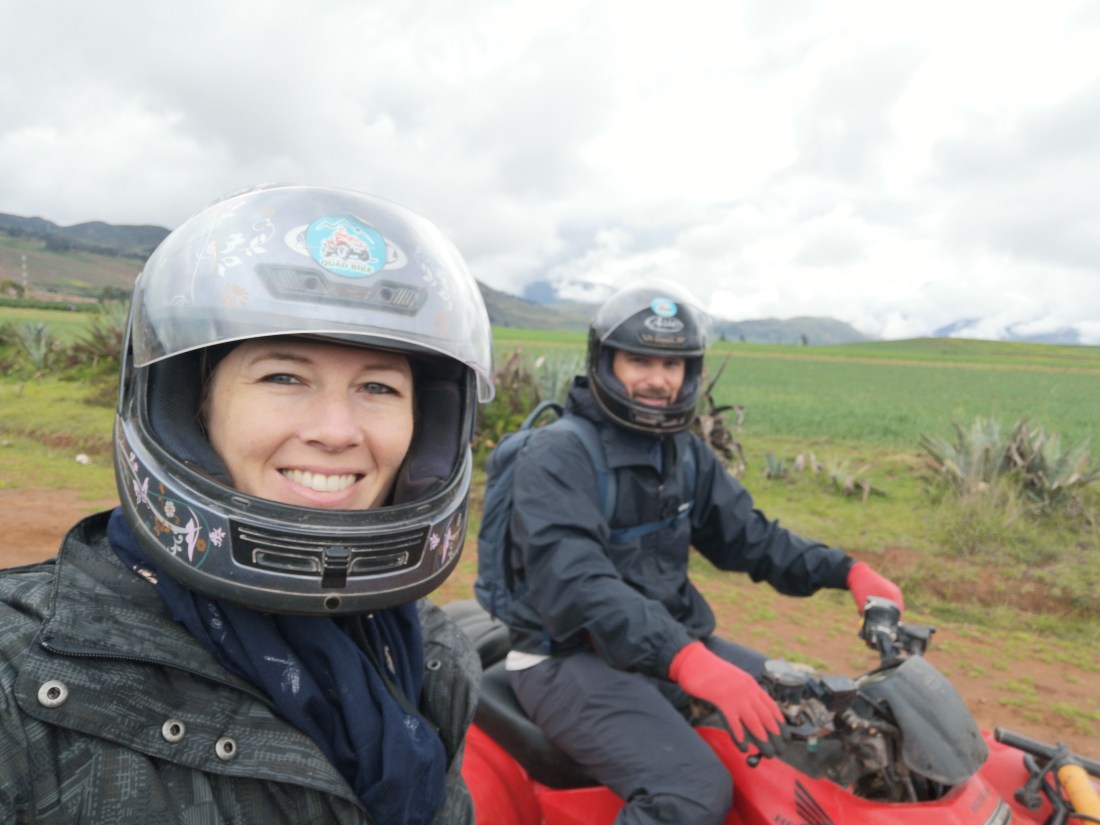
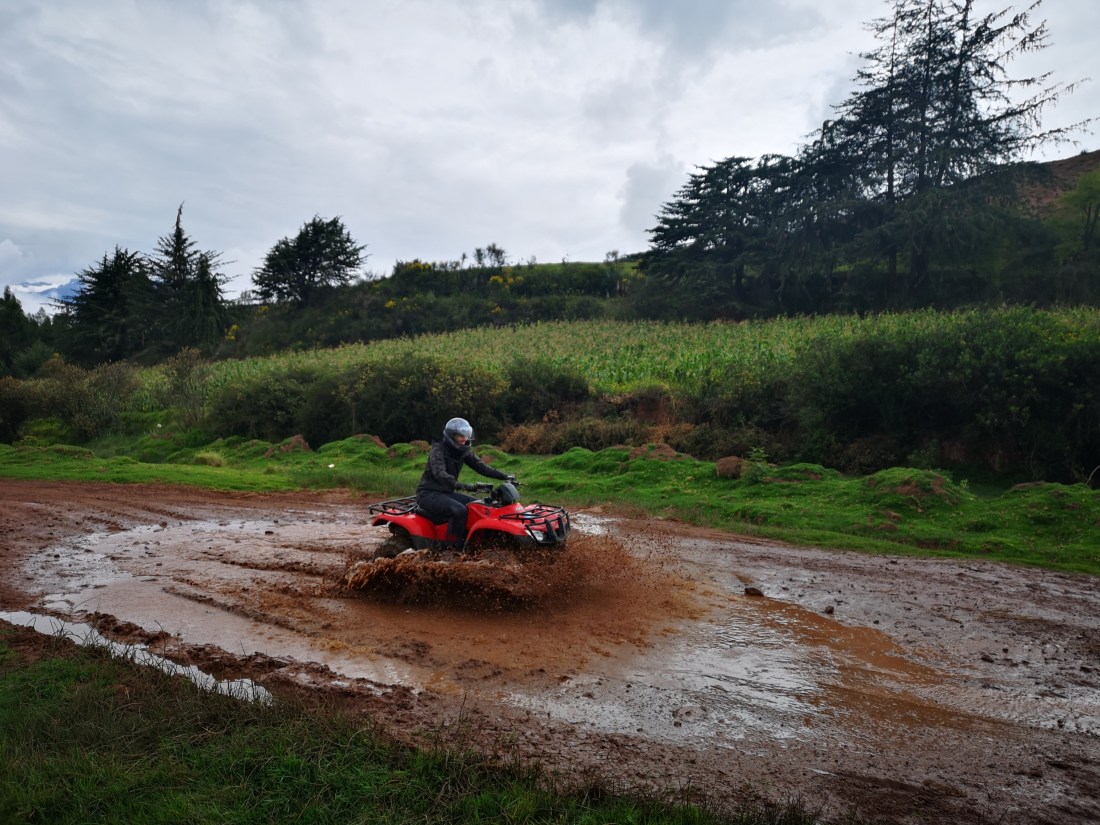
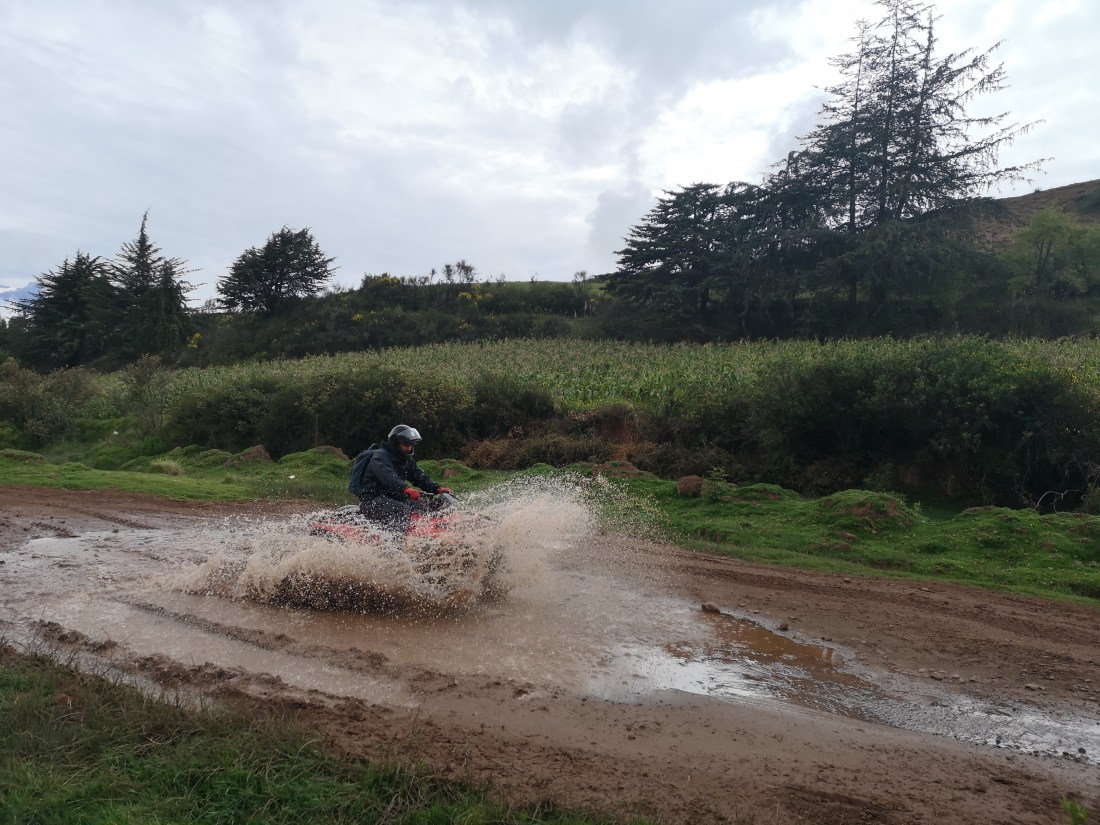
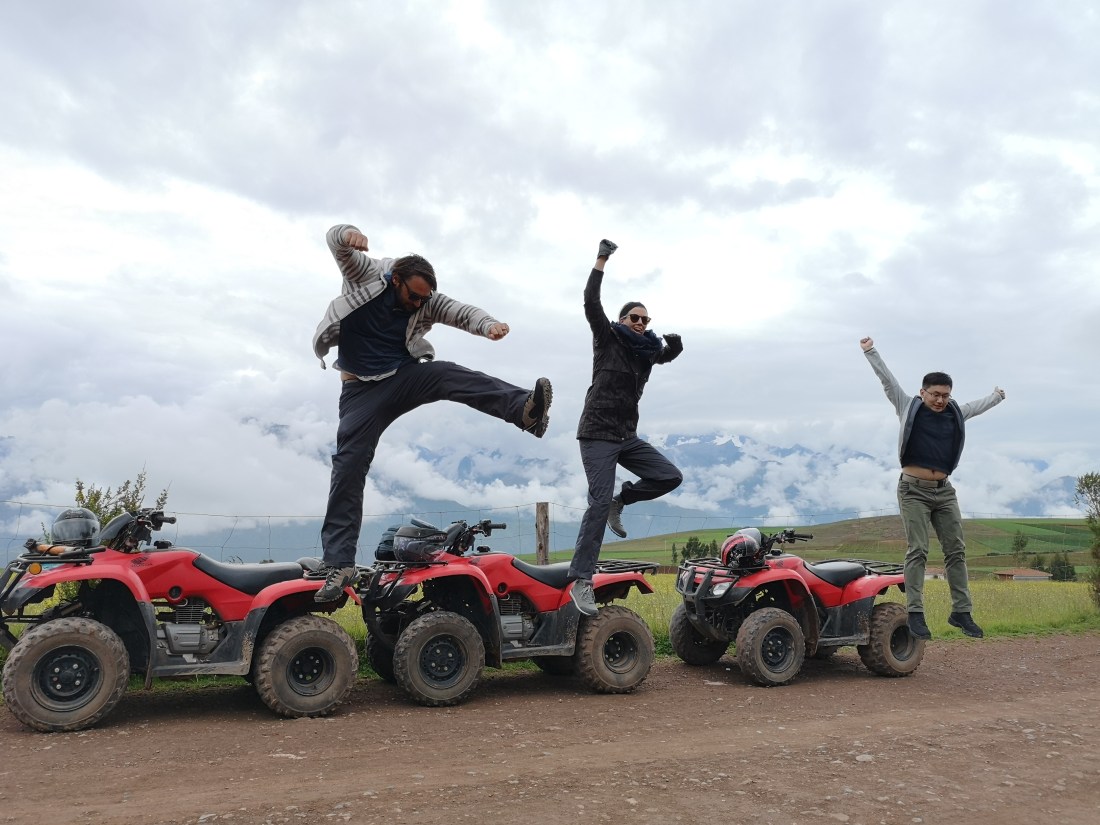
As an alternative to hiking (there are more options than just rainbow mountain) we decided to do a ATV/quad bike tour the following day.
It visited some of the Inca ruins in the area and we also went to an ancient salt mine that is still in operation. This was a much better option than hiking in the rain!
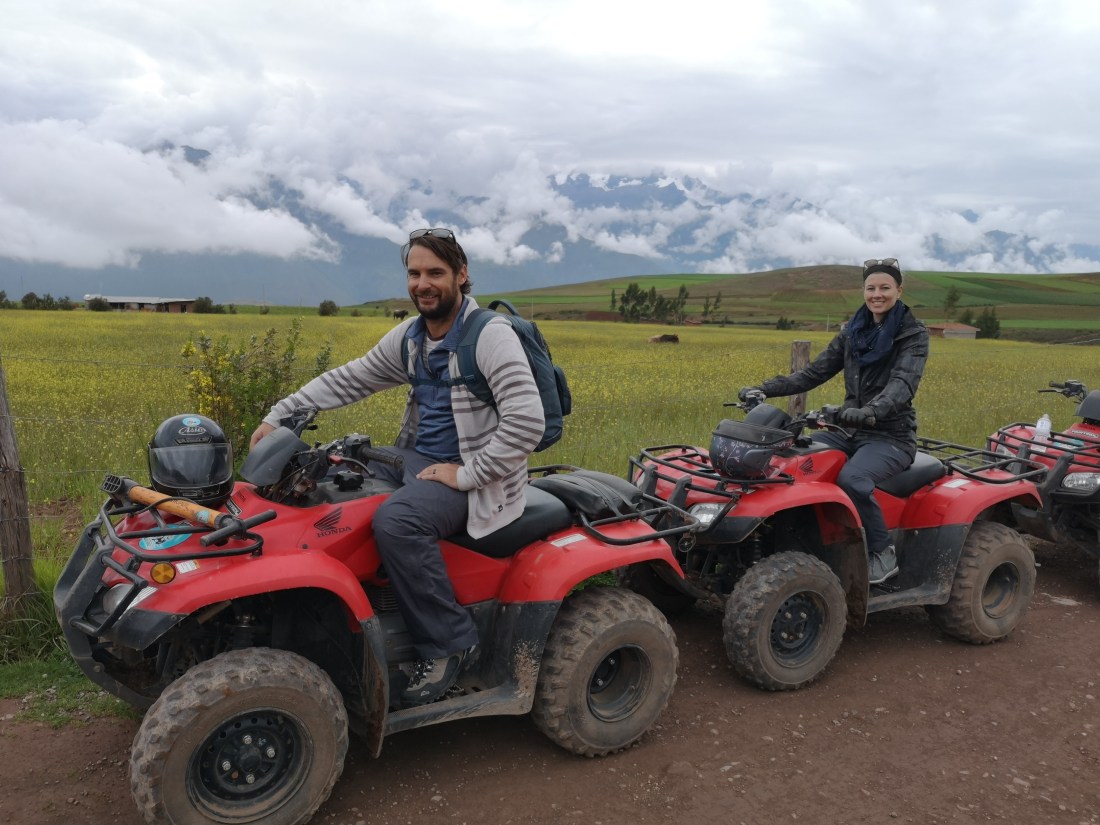
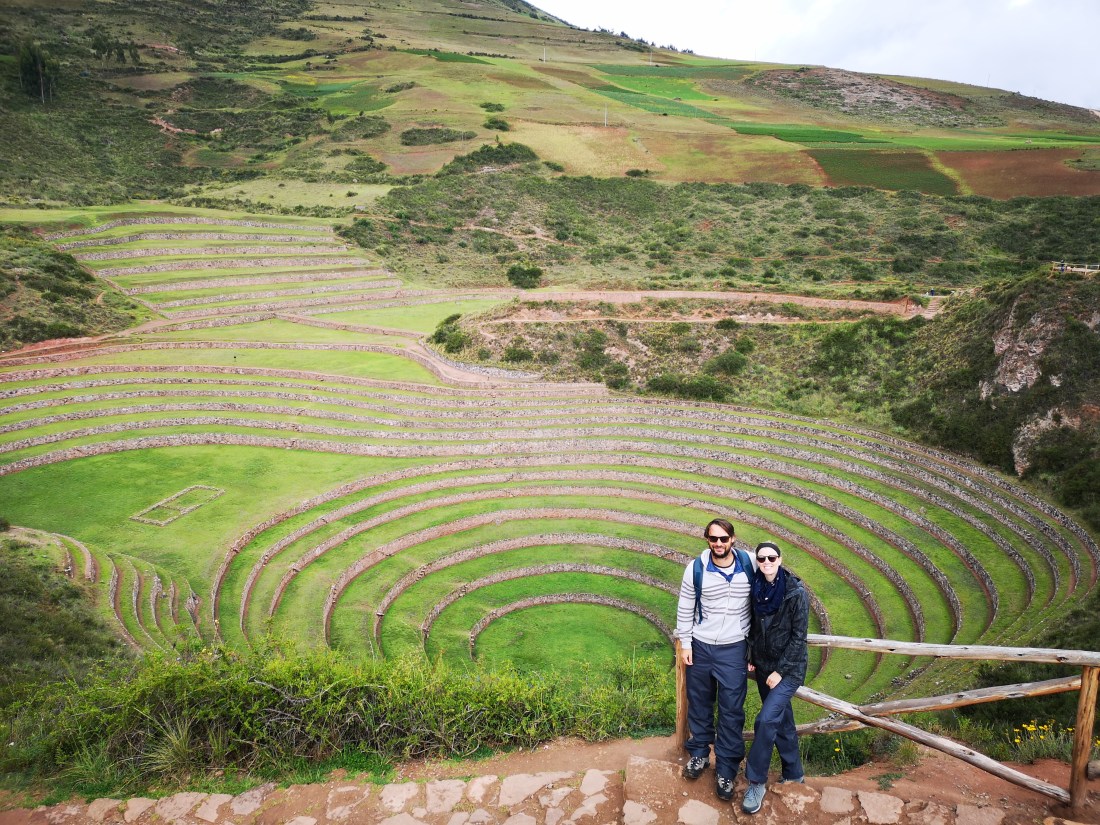
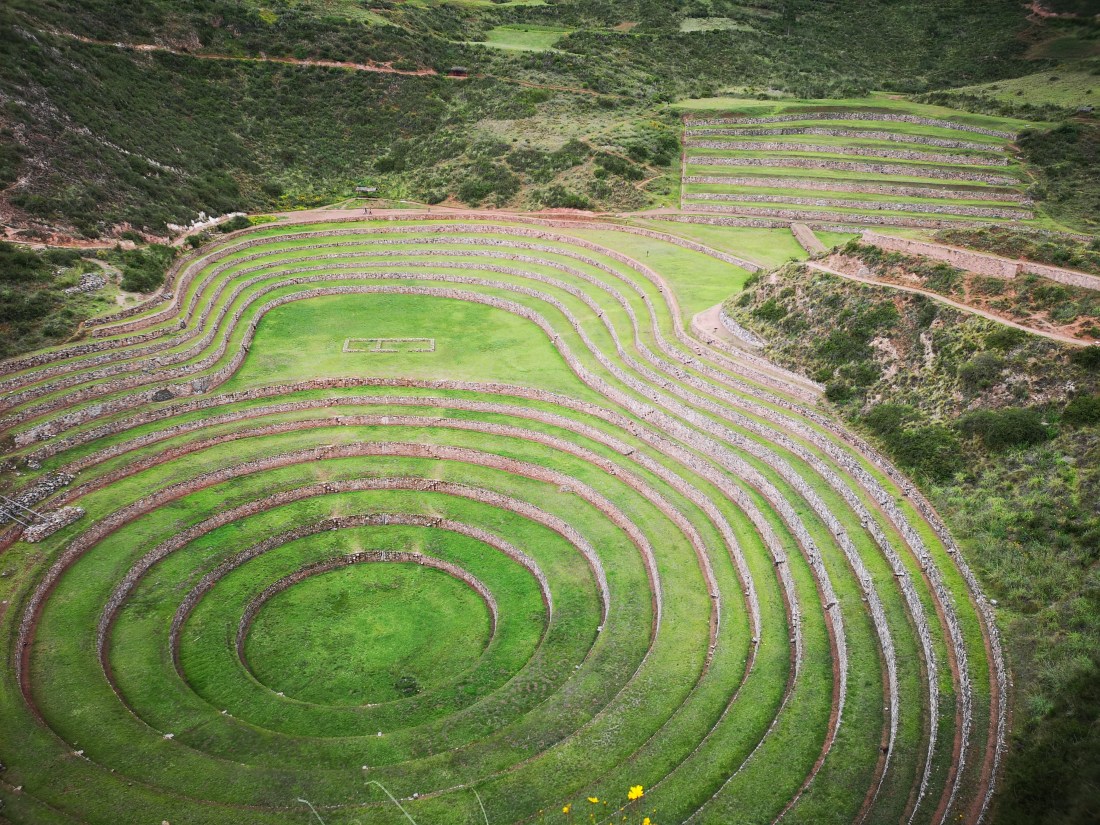
The Moray ruins were quite impressive. They were testing grounds where the incas planted various crops at different altitudes to see what grew best at each altitude.
Through the wind and other climatic factors the testing grounds (that only varied about 100m in altitude from top to bottom) replicated different climatic conditions stretching over 1000 – 2000m in altitude. Surrounding villages at certain altitudes were then used to grow the crop that had been determined to grow best at their respective altitude. Quite ingenious.
While there were no big structures, the symmetry of the ruins was impressive and pleasing to the eye, especially for anyone with mild case of ocd.
The tour was great and it was fun to be on a quad bike again, although they definitely frown upon any type of ‘adventurous’ driving. It was pretty civilised, except when a fellow traveler doing the tour with us managed to roll his at low speed and do some damage to the quad. He did admit that he wasn’t paying attention to the road…
Next on our tour was the visit to the Maras Salt mines. Unfortunately this was by bus and not quad bikes.
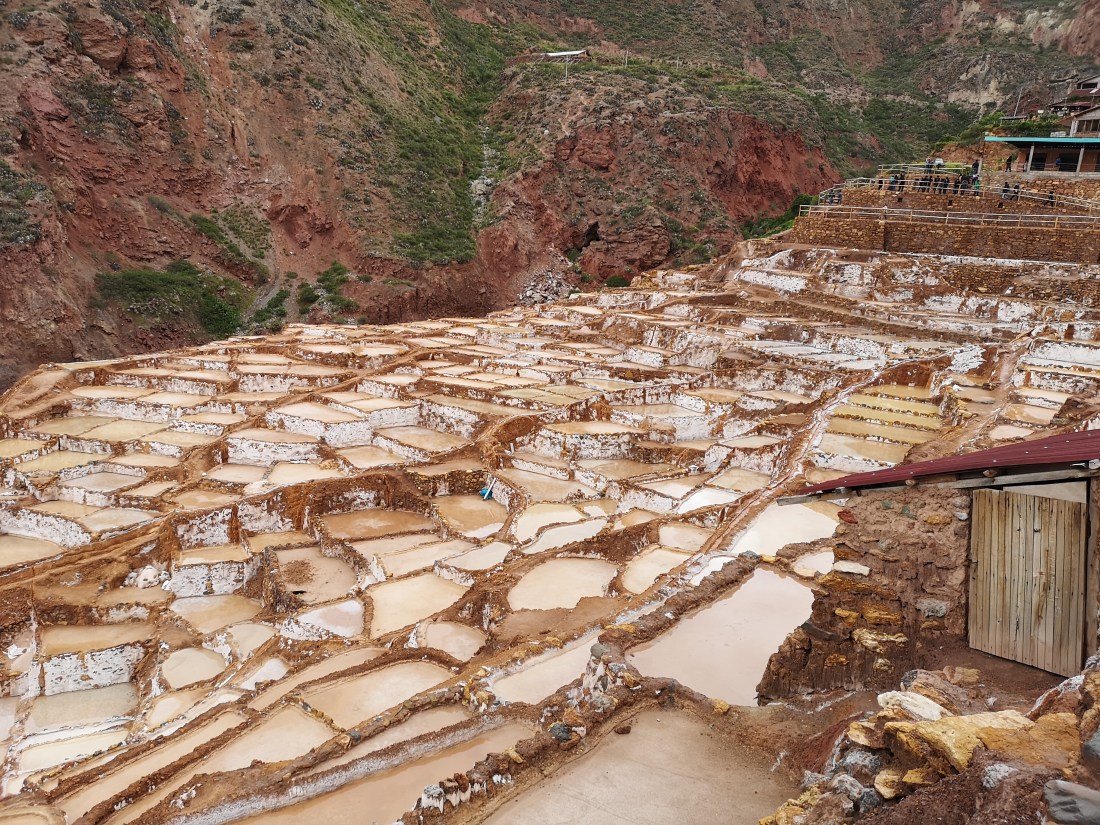
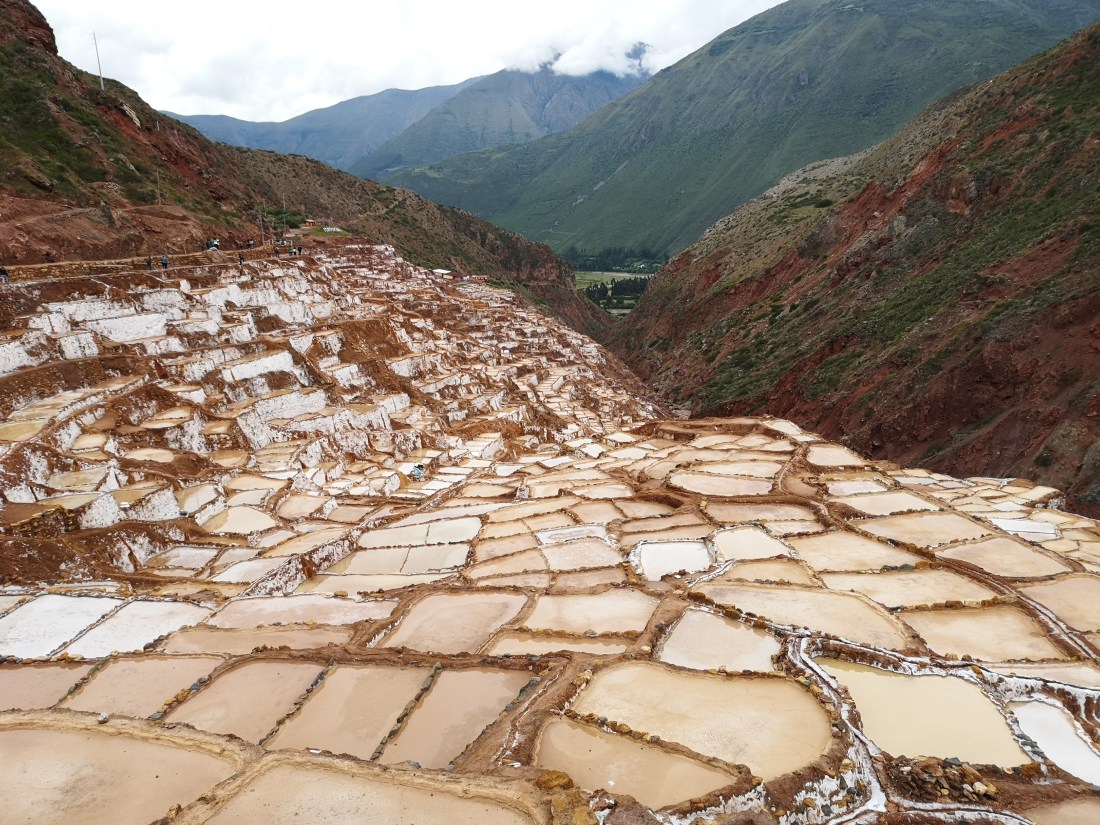
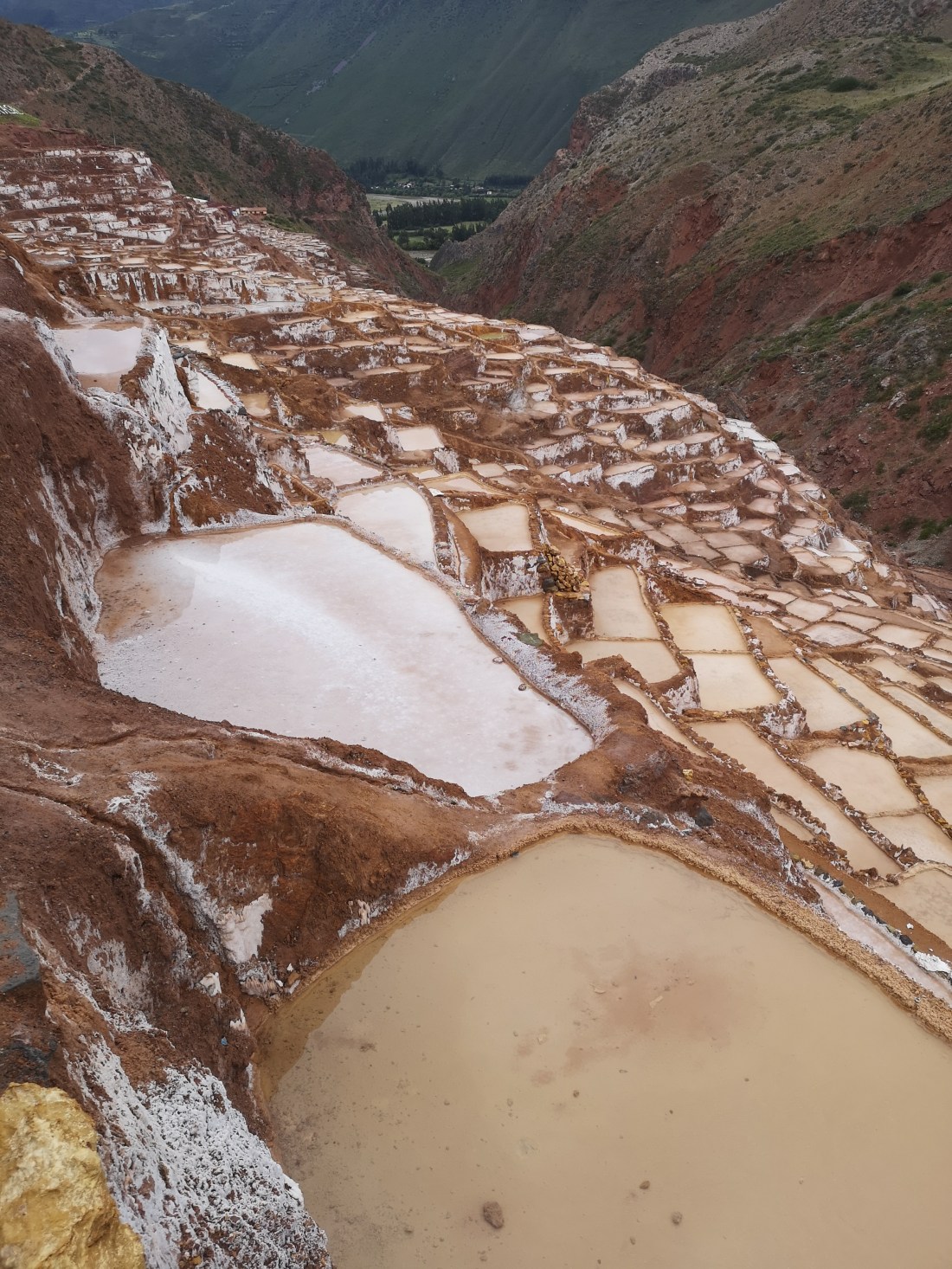
The Maras salt mines are a collection of over 4000 little salt pools that have been in operation since the Inca times. Usually the pools are filled by a saltwater stream that flows out from the mountain.
As it was rainy season and the pools had collected lots of rainwater, the mines were not actually being used at the time of our visit. It was still really cool to see the thousands of pools stacked on each other, clinging to the side of the hill.
The next day was our trip to Machu Picchu.
When we originally started planning our trip to South America, we were keen to do the Inca trail – a 4 day hike that ends at Machu picchu. We had heard about it from friends who have done it and they said was challenging but definitely worth it.
Unfortunately, this trail is closed for February to allow the environment to recuperate a bit after 11 months of hoards of people doing the hike. They coincided this closure to fall in the rainy season, which is the least desirable time to do the hike. Oh well, we’d have to take a train then…
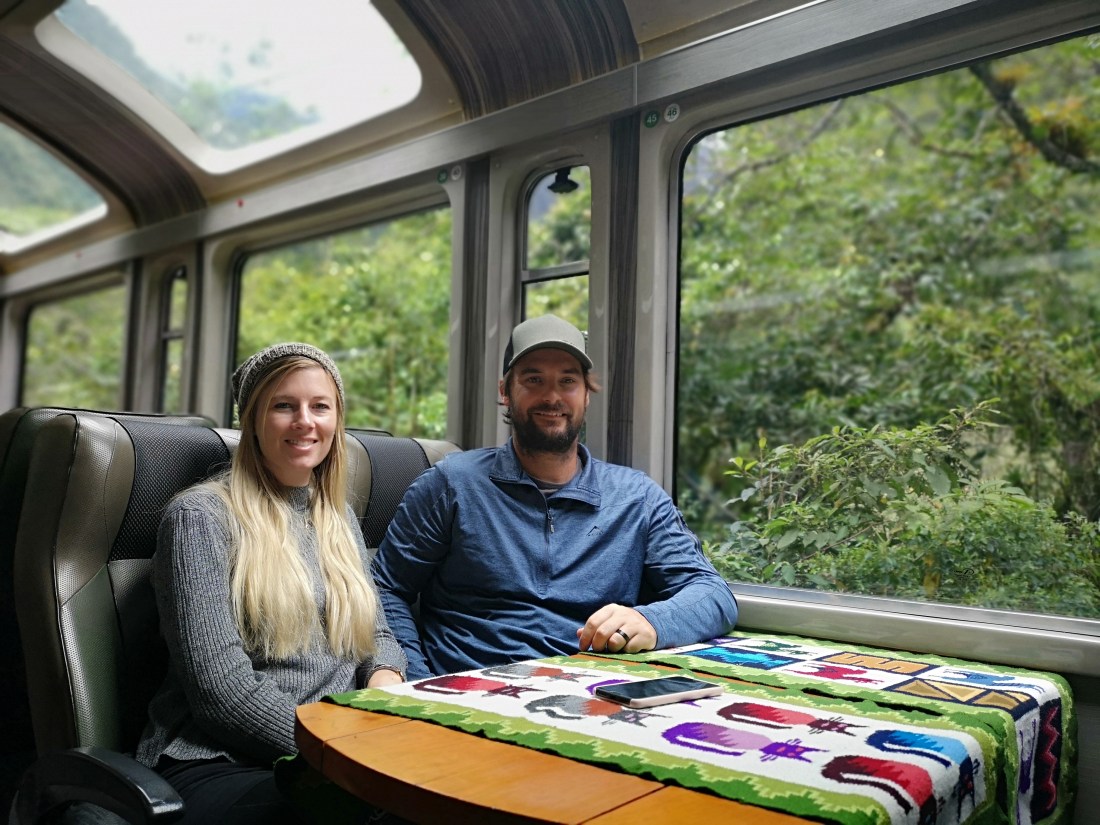
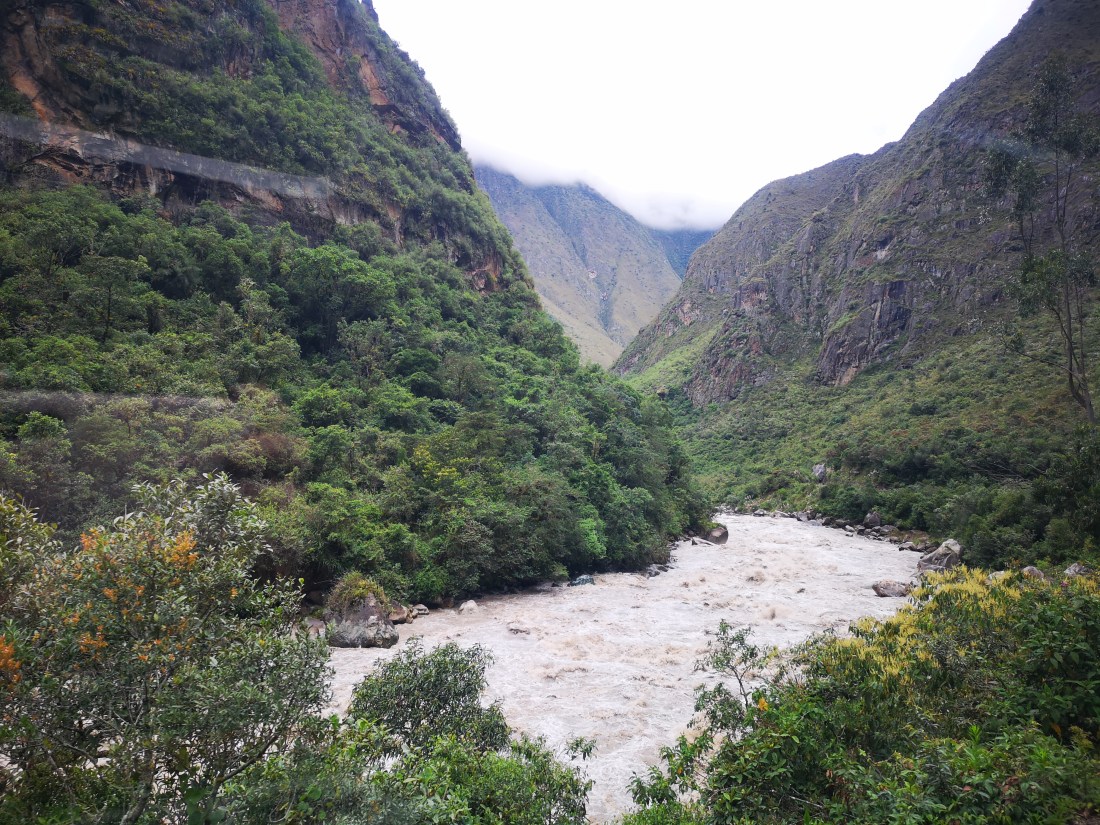
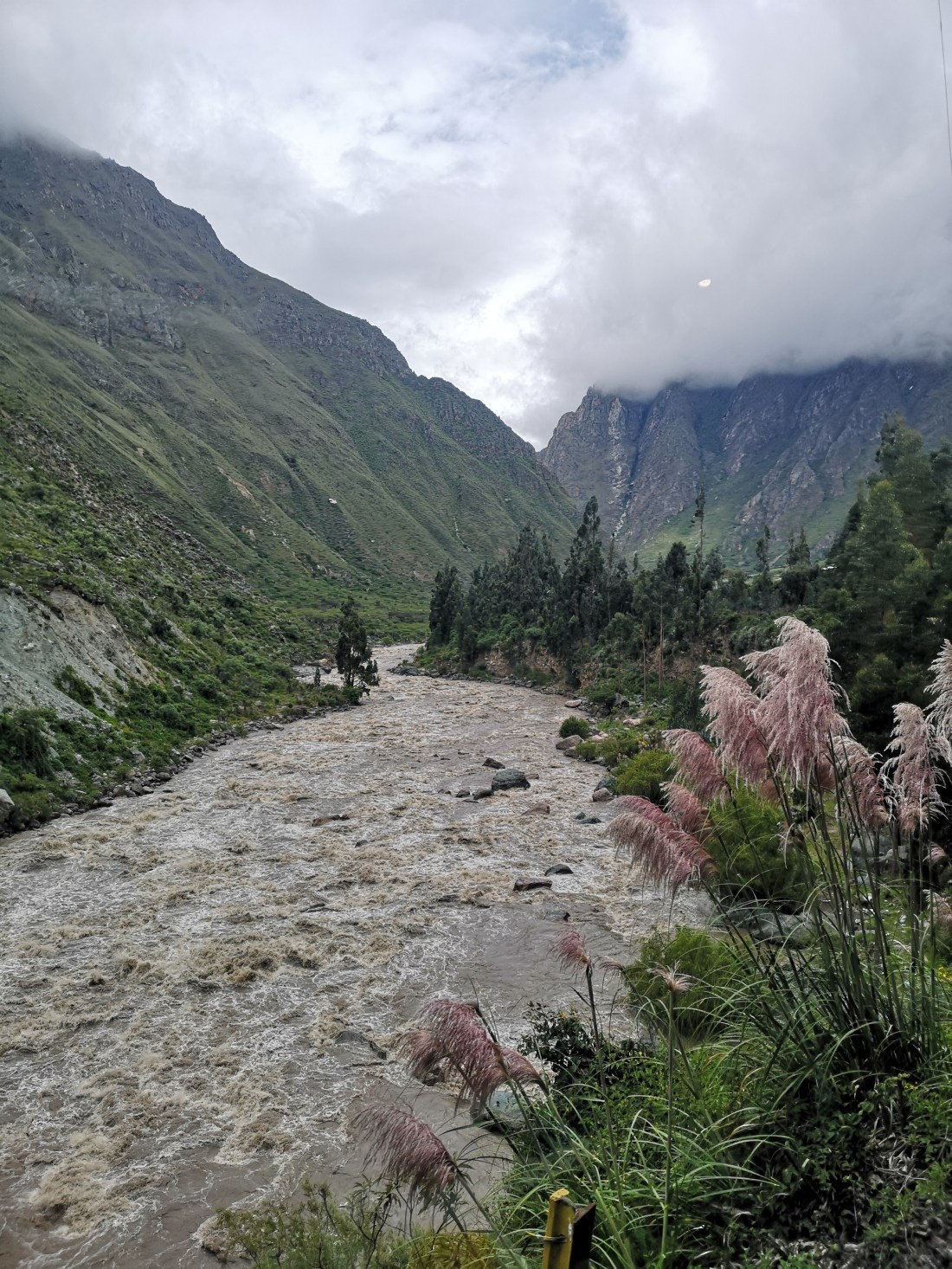
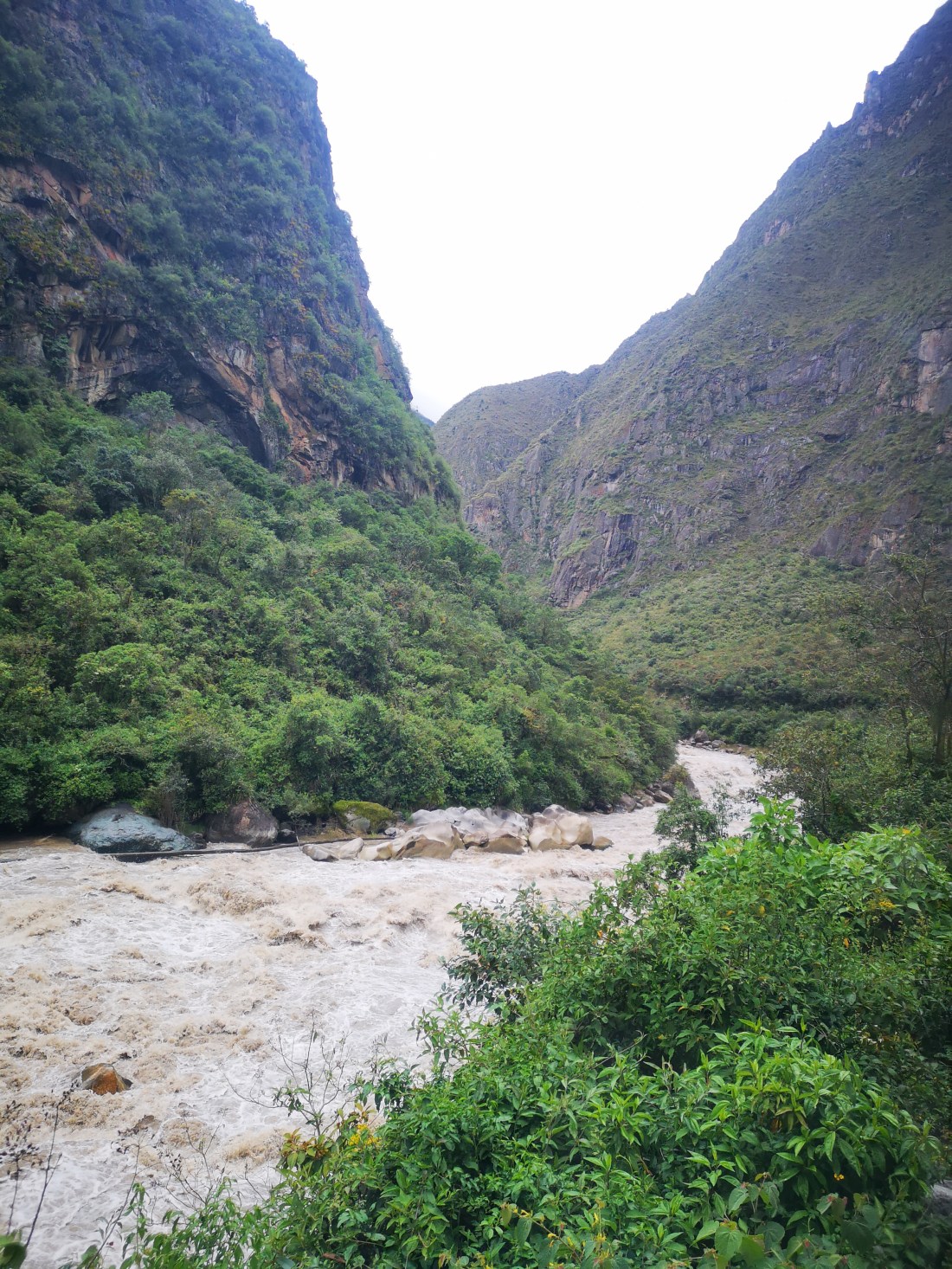
We booked our tickets for the 2nd Feb. Our trip to get to Machu Picchu was on the Vistadome train, a train that had comfy seating with clear panels on the roof allowing for panoramic views of the vertical mountains and forests that surround you as the train meanders along the raging Urubamba River in the Sacred Valley.
The return trip was to be on the Sacred Valley train, a train similar to the Vistadome but without the clear roof ‘windows’ and slightly nicer seating and finishes, along with a 3 course dinner.
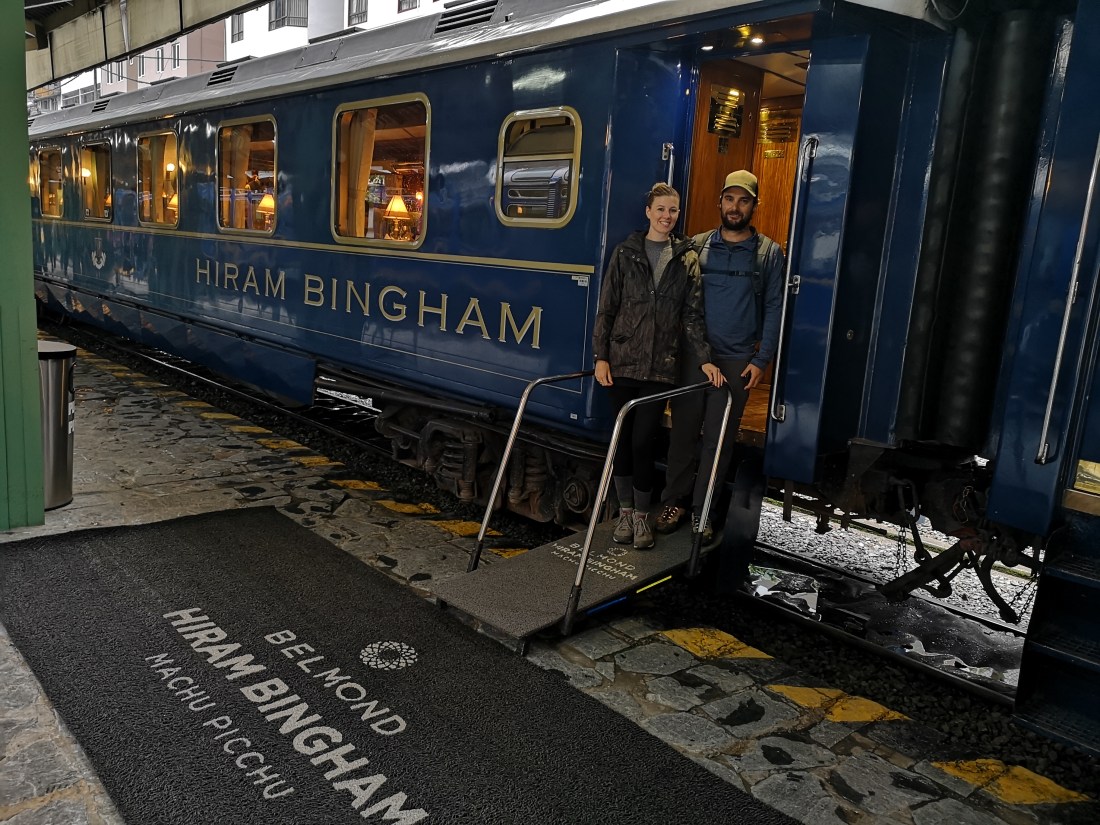
On our way back from the salt mines, we received an email from the train company asking if we’d like to be upgraded to the Hiram Bingham train (Hiram Bingham is the person who rediscovered Machu Picchu in 1911) on our return leg.
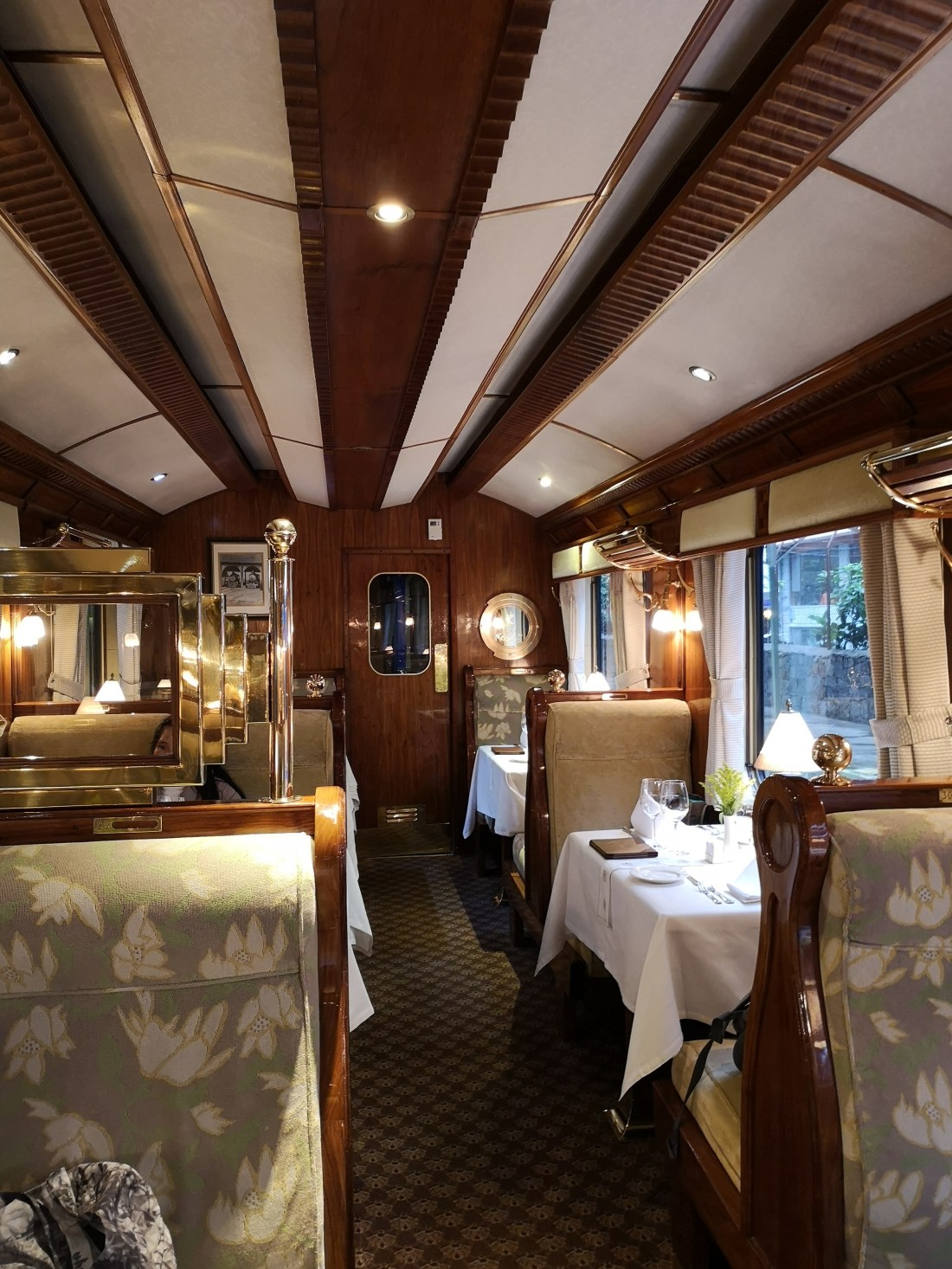
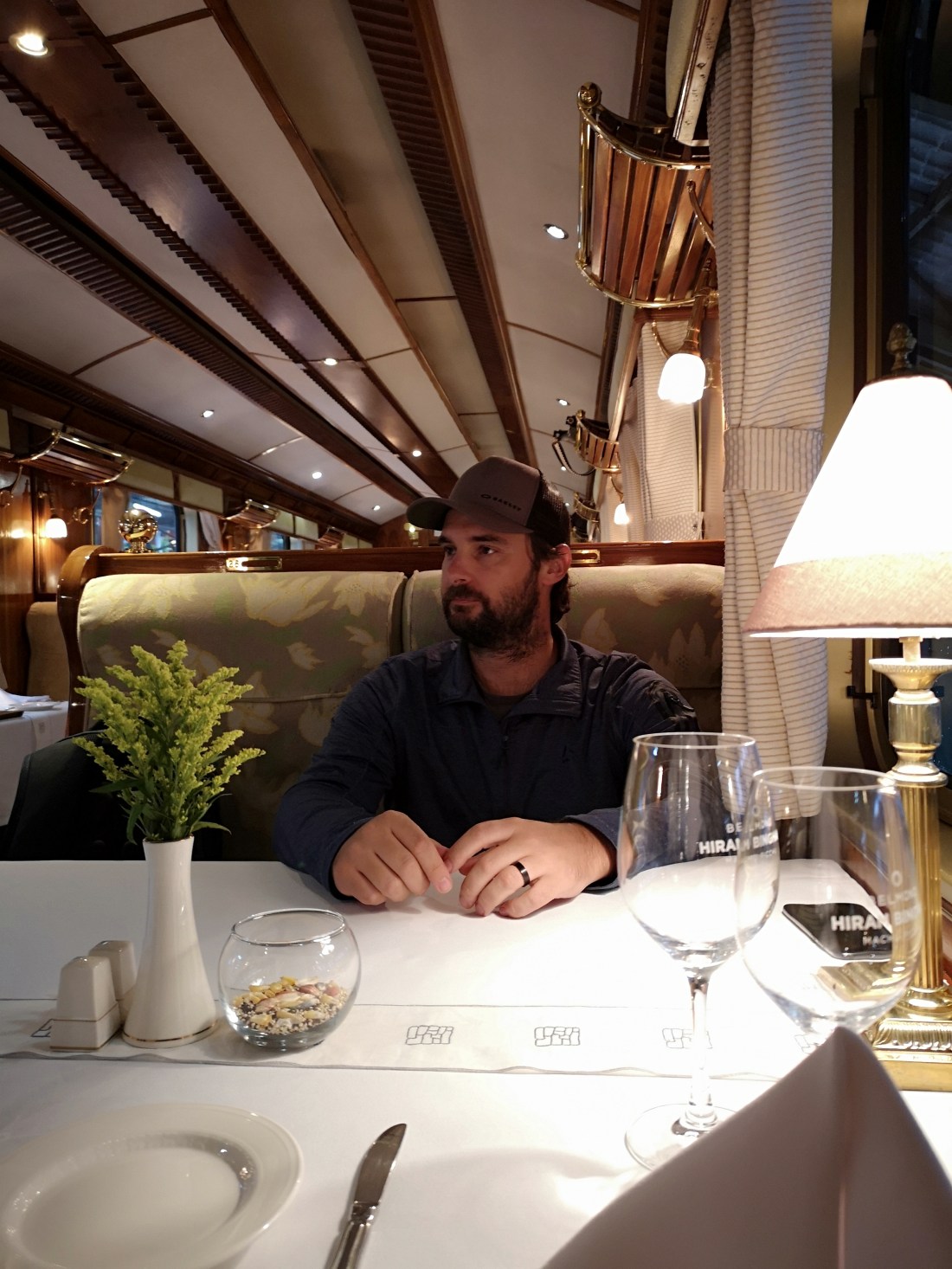
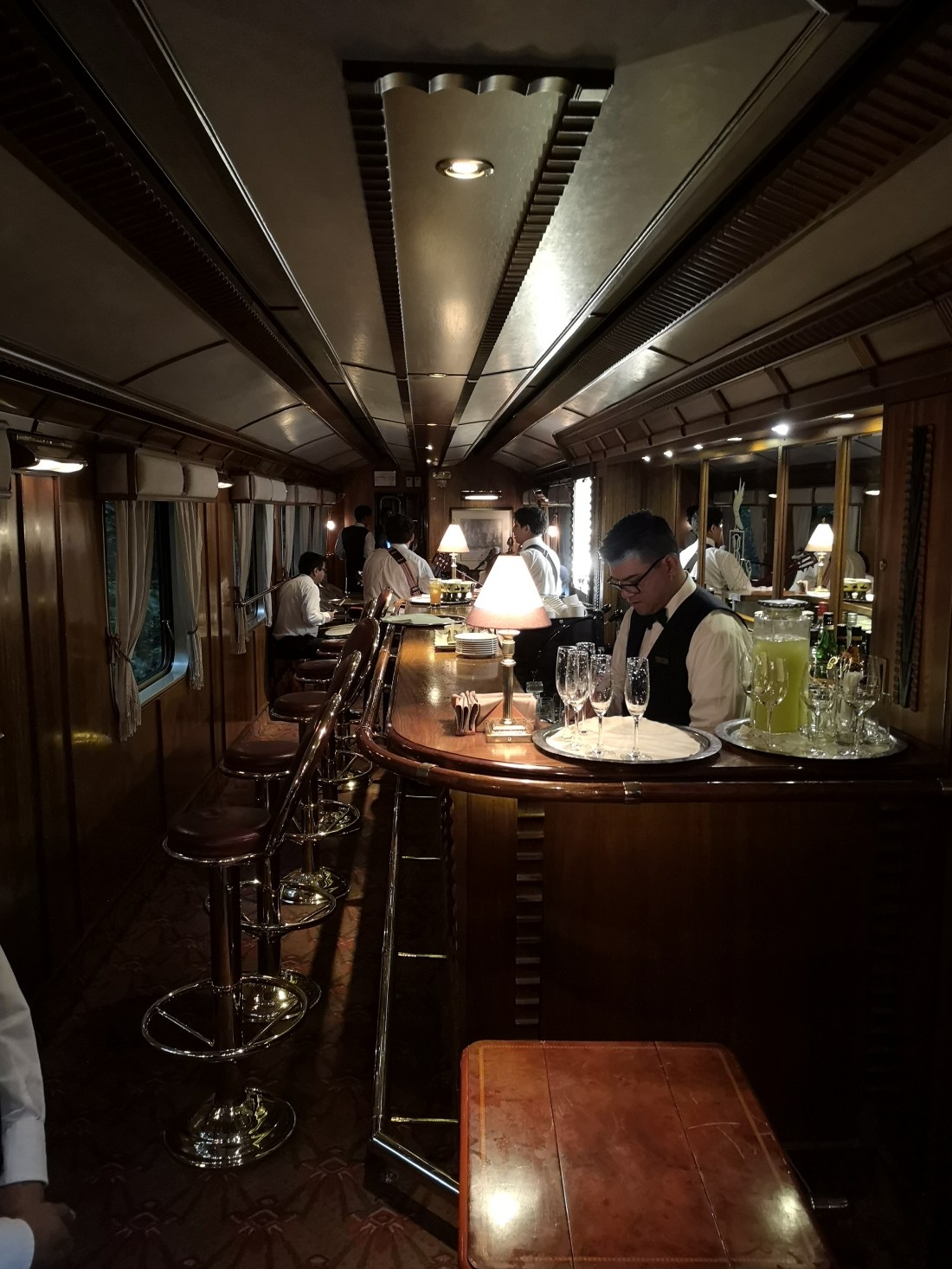
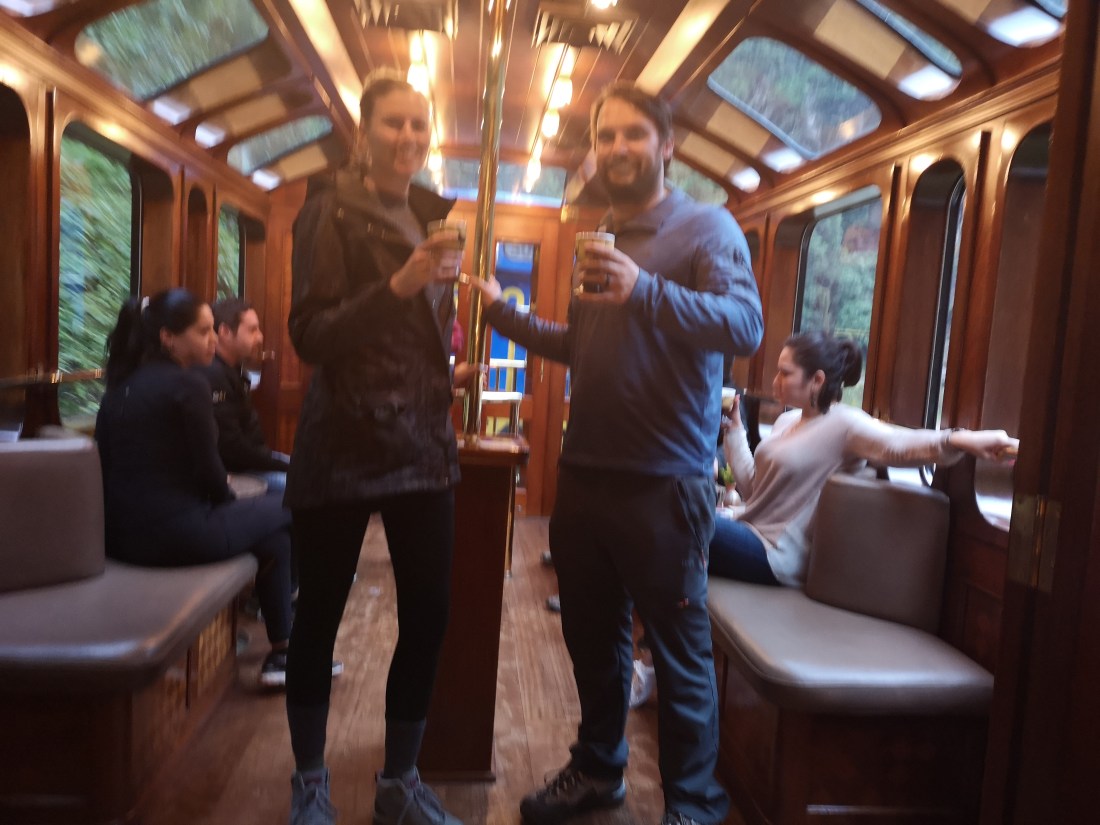
The HB train is full-on luxury, and really is a throwback to the golden age of rail travel. The train only has 2 public carriages – one for the restaurant section and a second for the bar, band and observation room.
Of course we confirmed that we would take the upgrade!
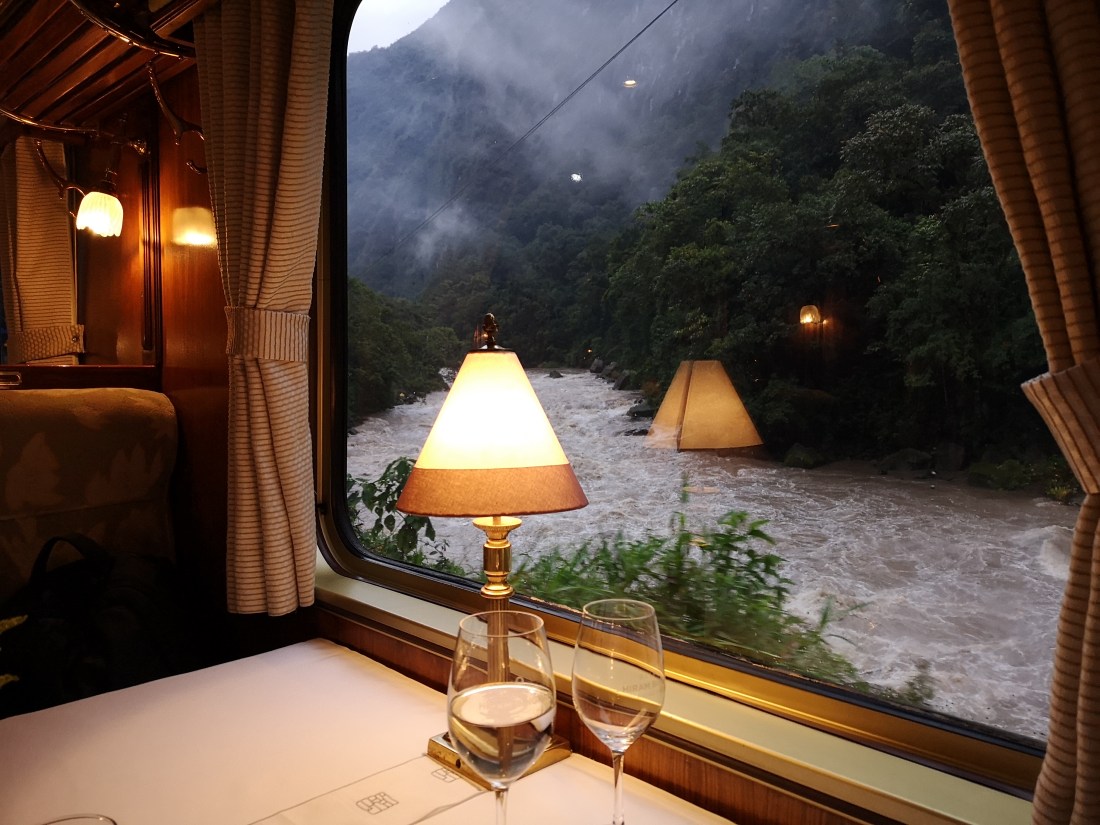
The trip to Machu Picchu on the Vistadome was really good. There is something special about travelling on trains, especially when the views are of a raging river, sheer mountain faces, lush green rainforest and the odd traditional settlement.
The train stopped in a little town called Agua Caliente, at the foot of the Machu Picchu mountain. From here we took a shuttle bus to climb the 400m up to the site of the ruins.
The mountains here have extremely vertical faces, so the ride up had some amazing views of the surrounding mountains and valleys.
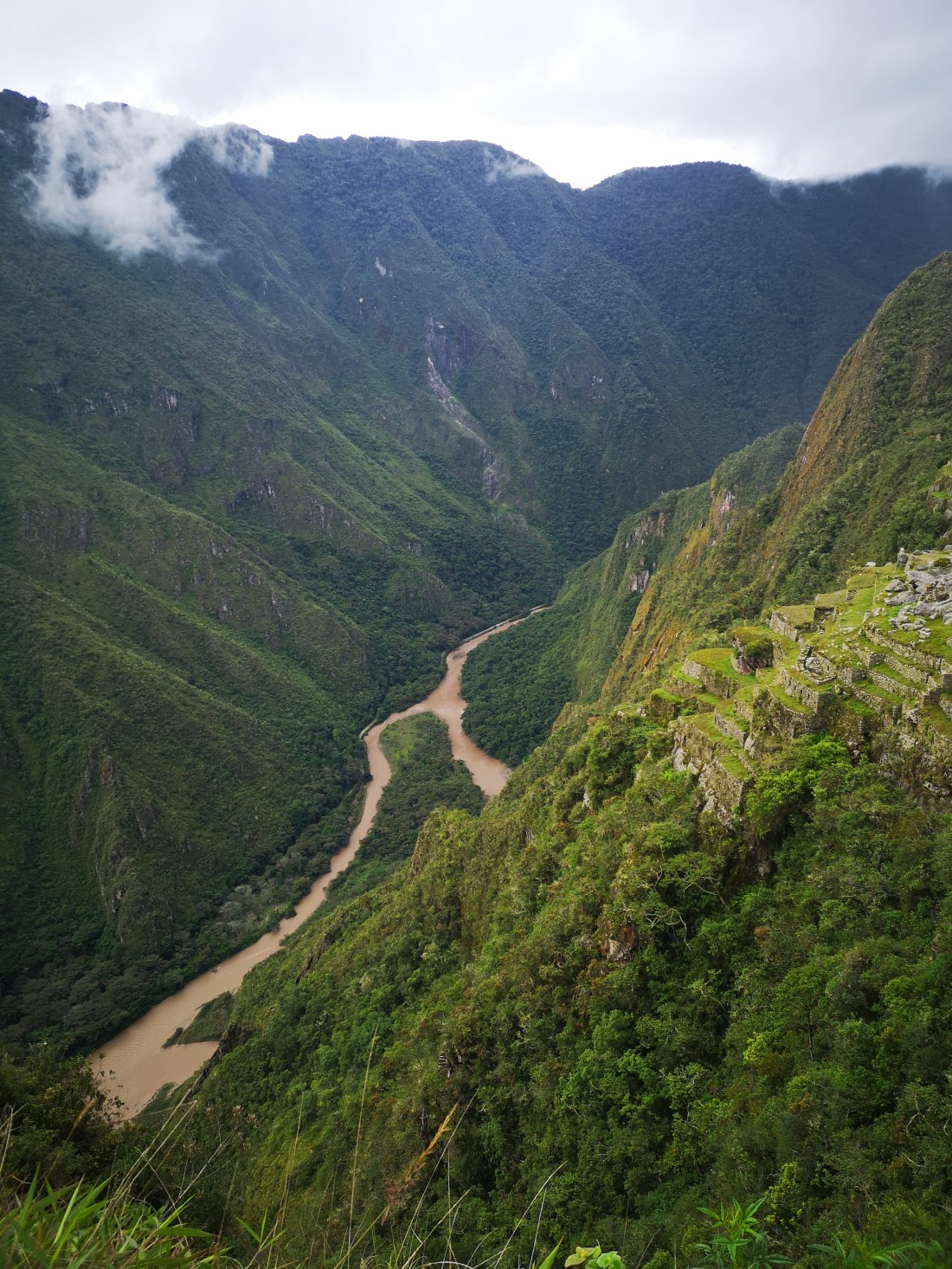
We were a bit worried about the weather as we had heard the it can be quite fickle and clouds and rain were not uncommon. And we were in rainy season. What a waste to go all the way to the site and have it ruined by bad weather! Upon arrival, it seemed to be playing along at least – the sky was fairly clear and the top of Huayna Picchu (the tallest peak overlooking the ruins) was still visible. We headed straight up to a vantage point to at least get a glimpse of the world famous view before any clouds had the chance to spoil it.
The view is amazing! It does get pretty crowded at the viewpoints with people trying to get their shot, some while doing handstands(?). But luckily the people walking through the ruins below do not really come out on the photos.
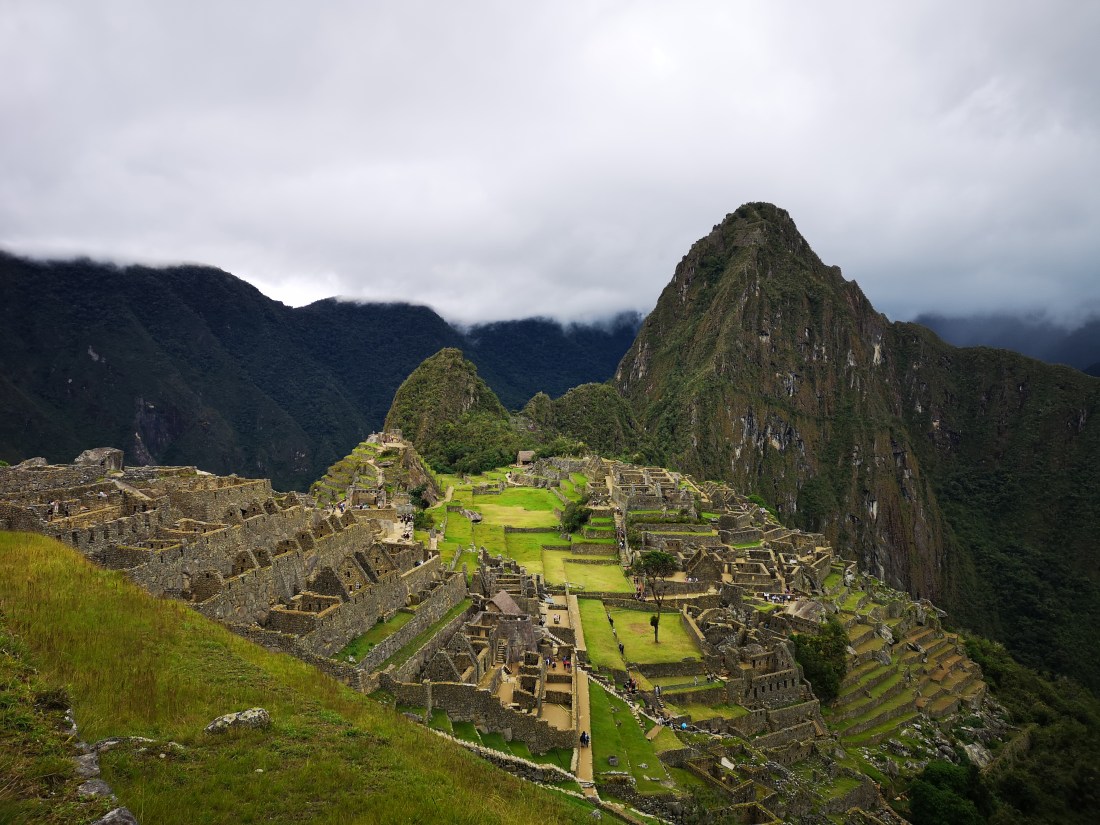
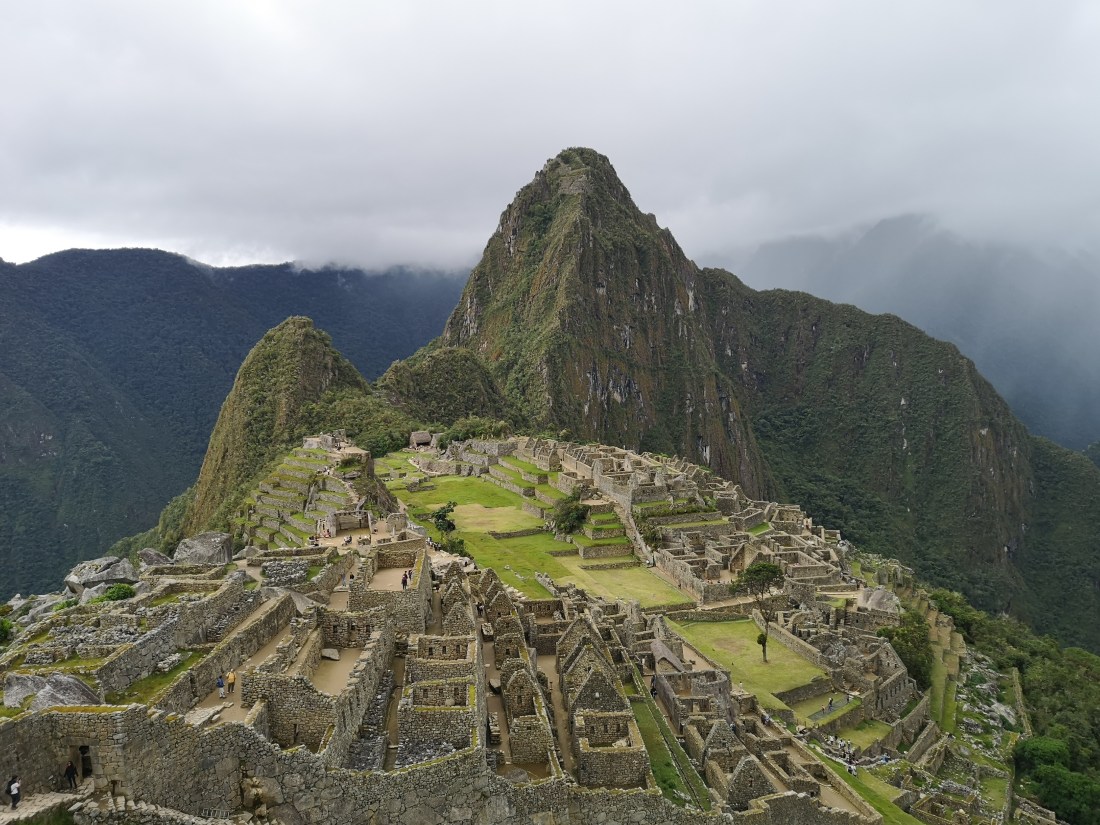
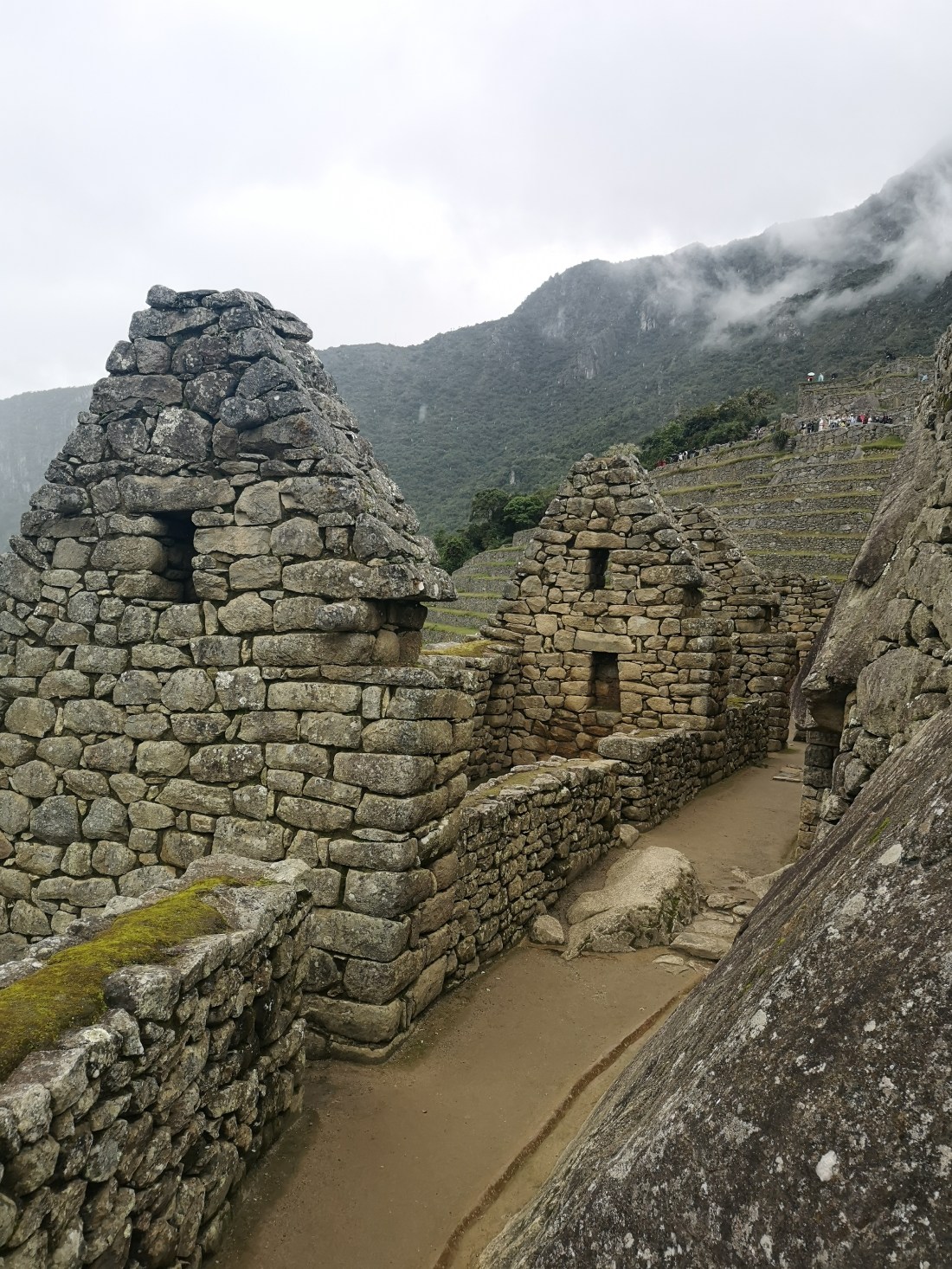
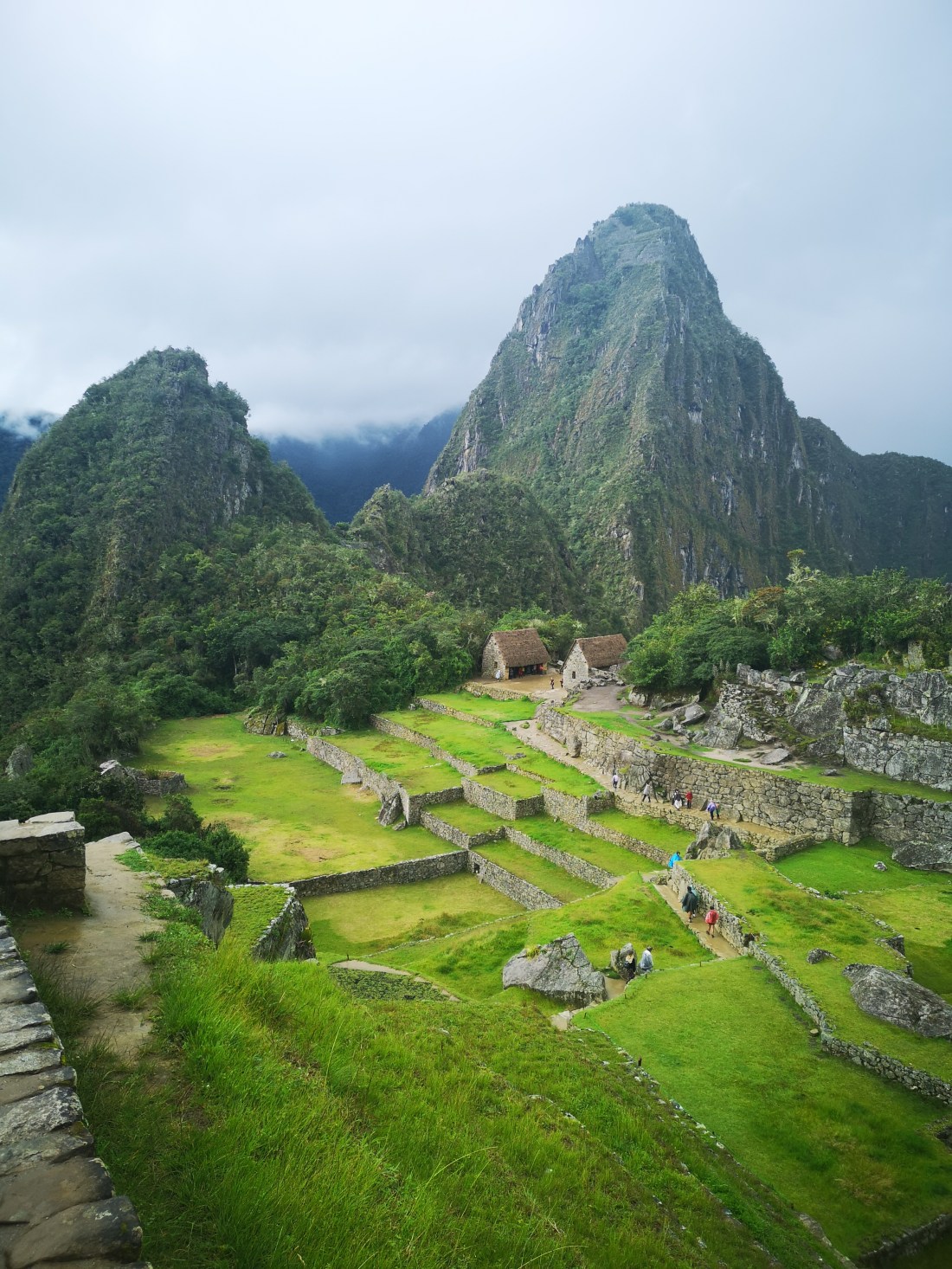
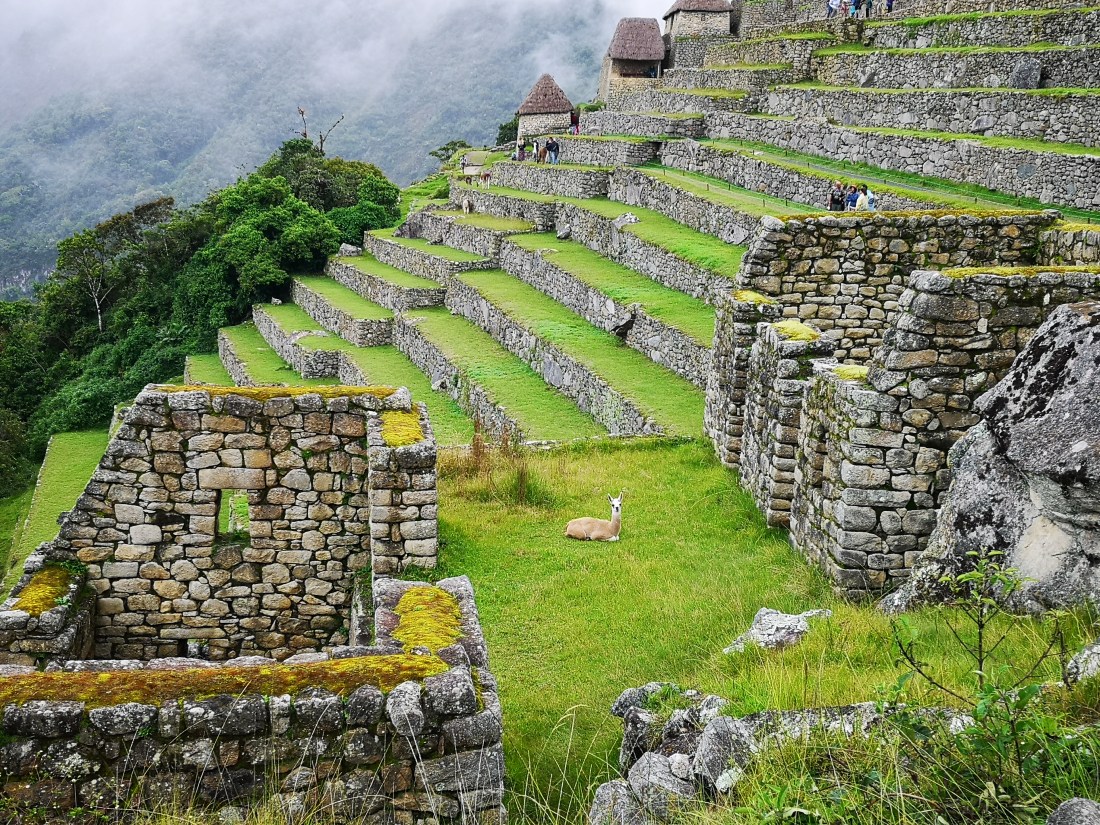
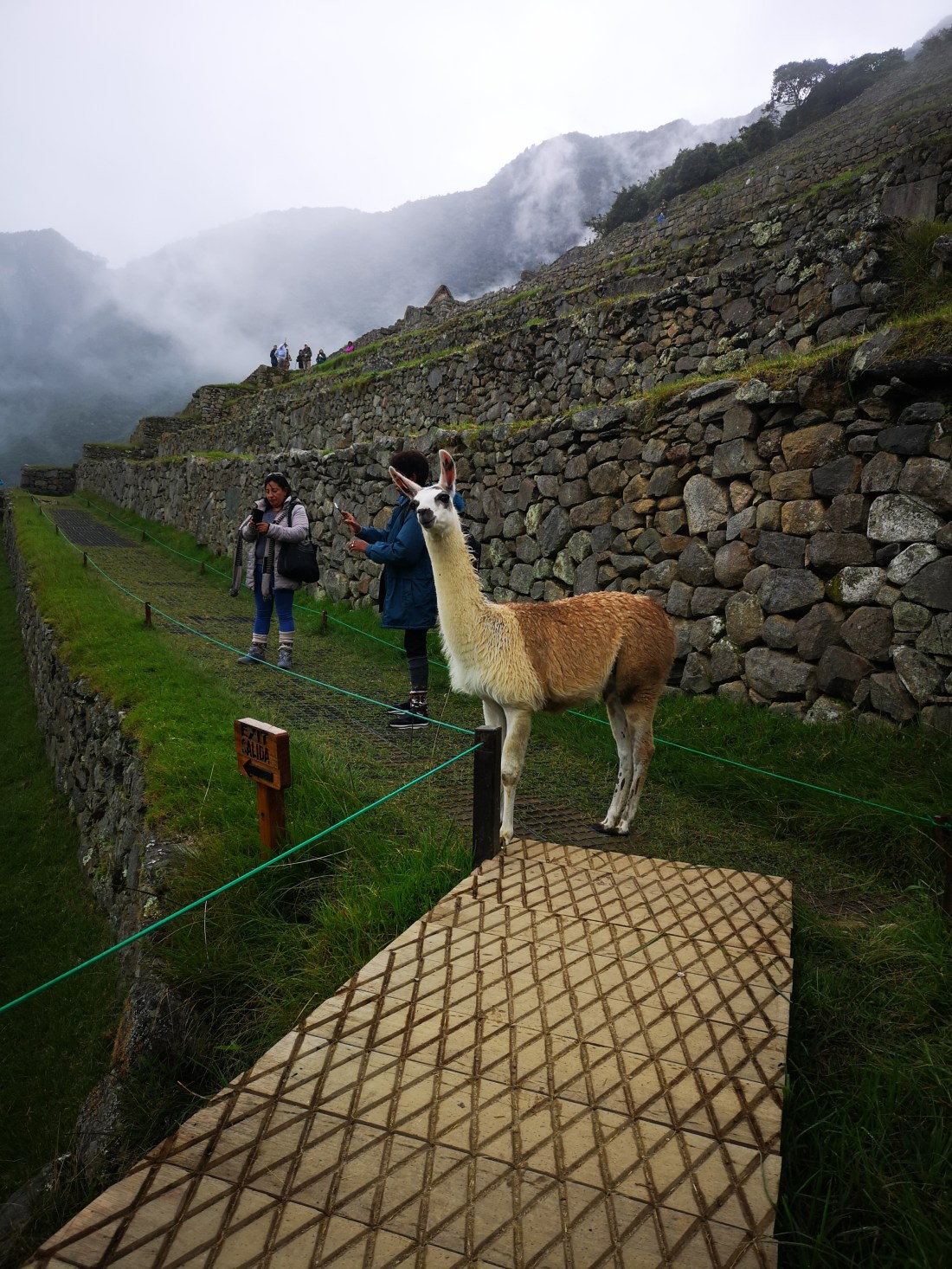
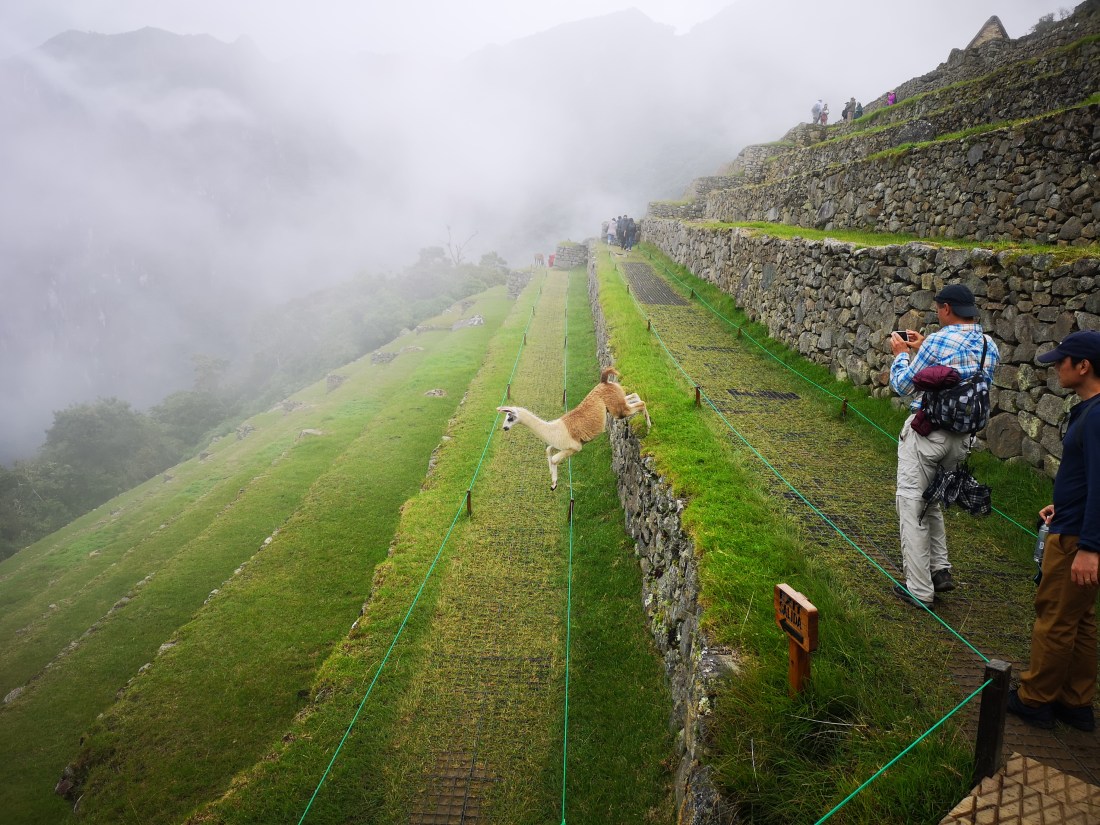
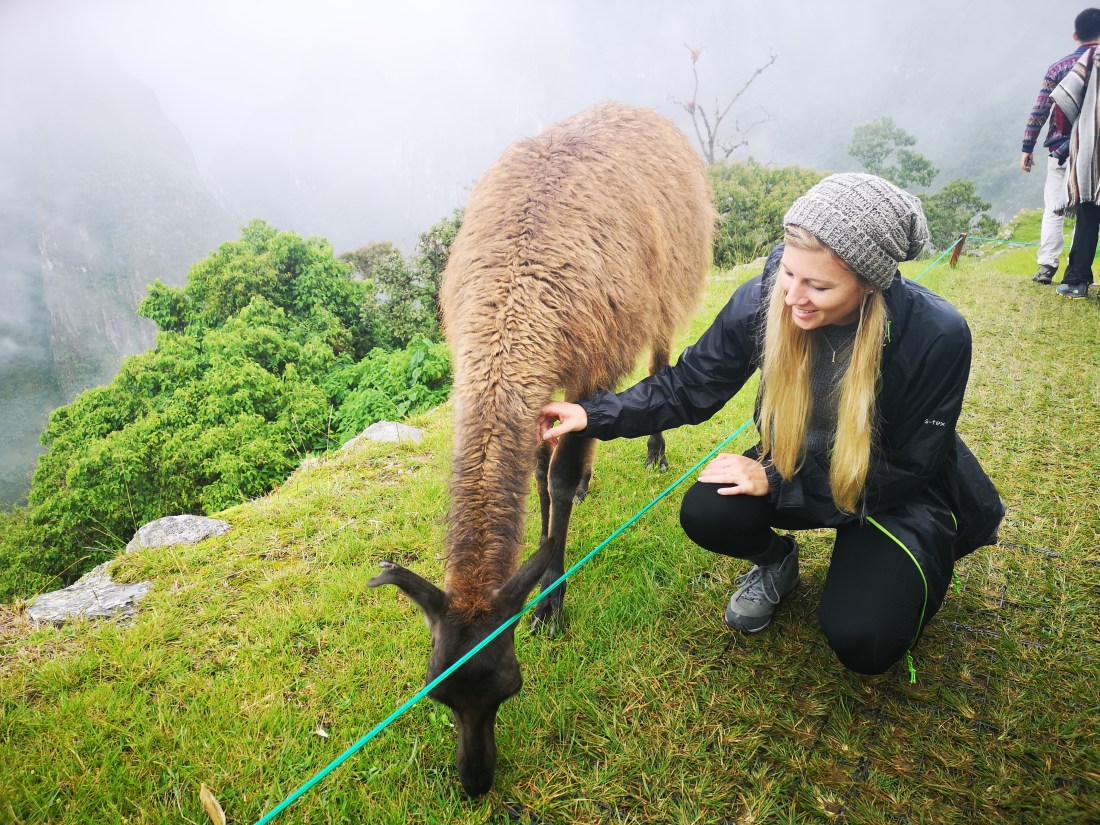
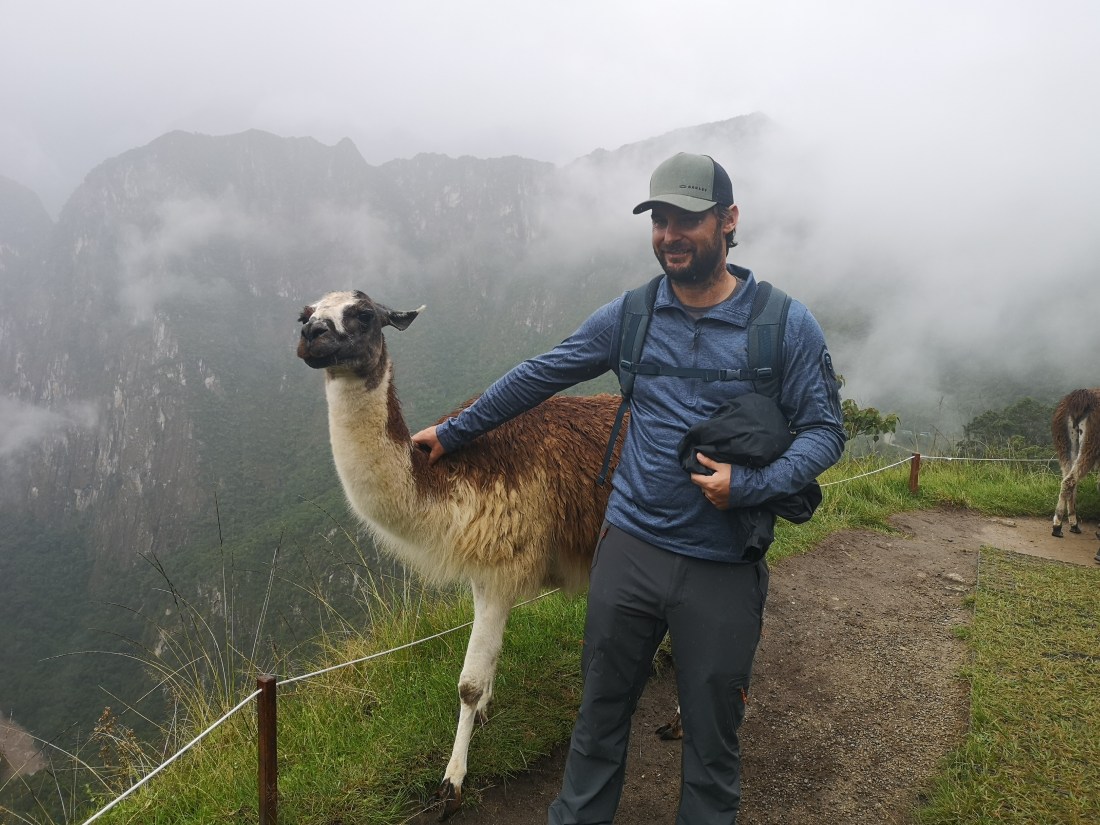
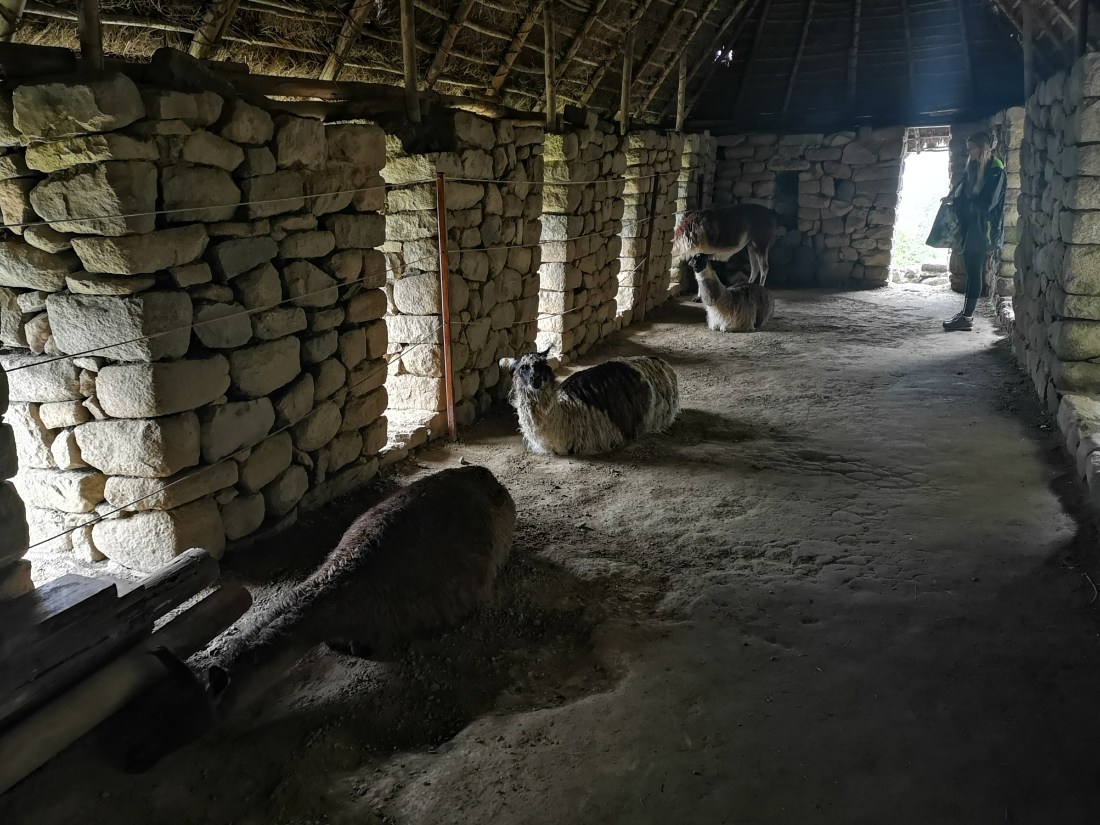
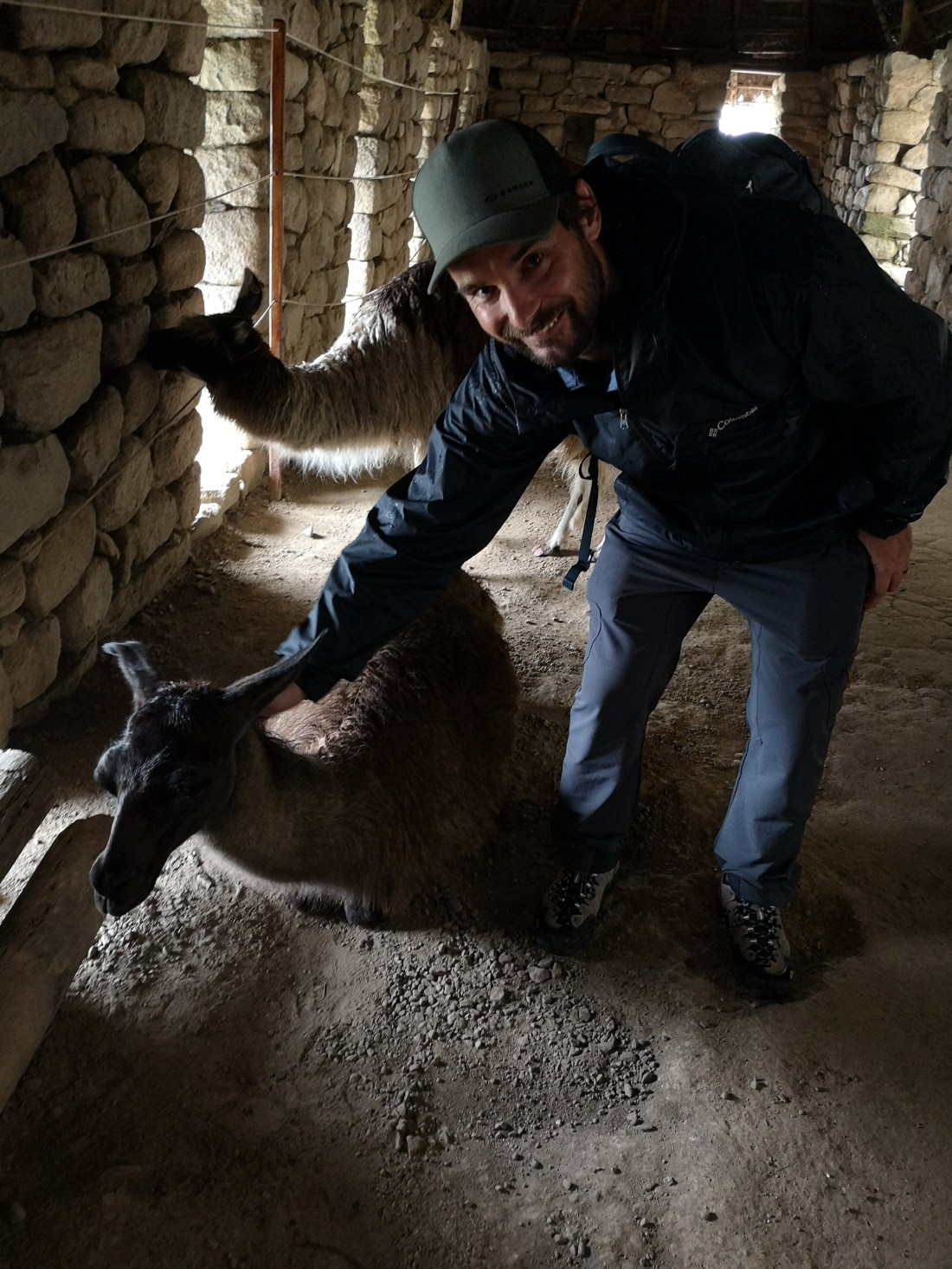
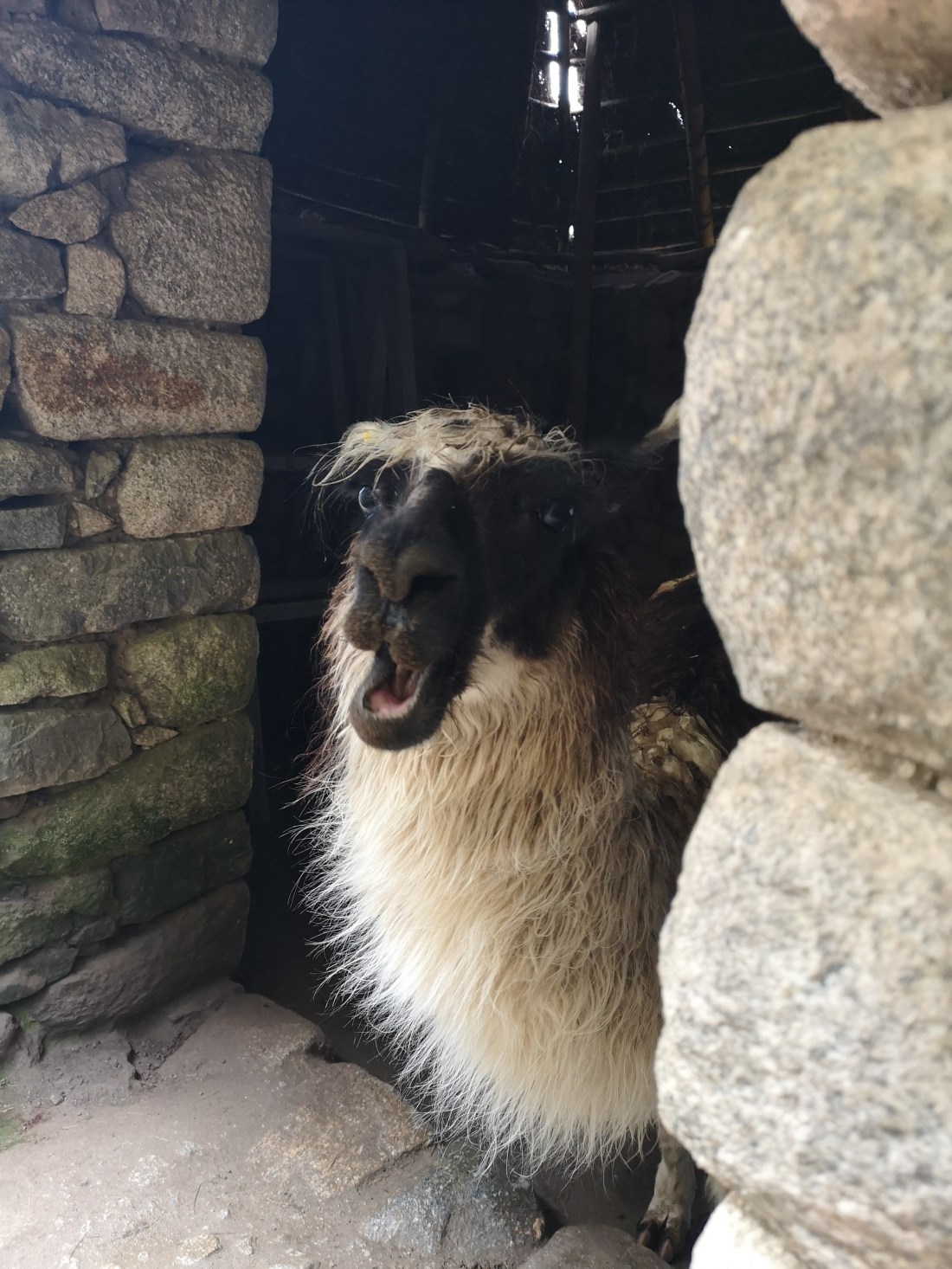
As we were walking around the rest of the ruins it started to drizzle. And had just reached the area where the llamas hang out! We took a few photos and watched as some tourists caught their attention with bananas – you’re not meant to feed them, but the rules don’t seem to be enforced too strictly.
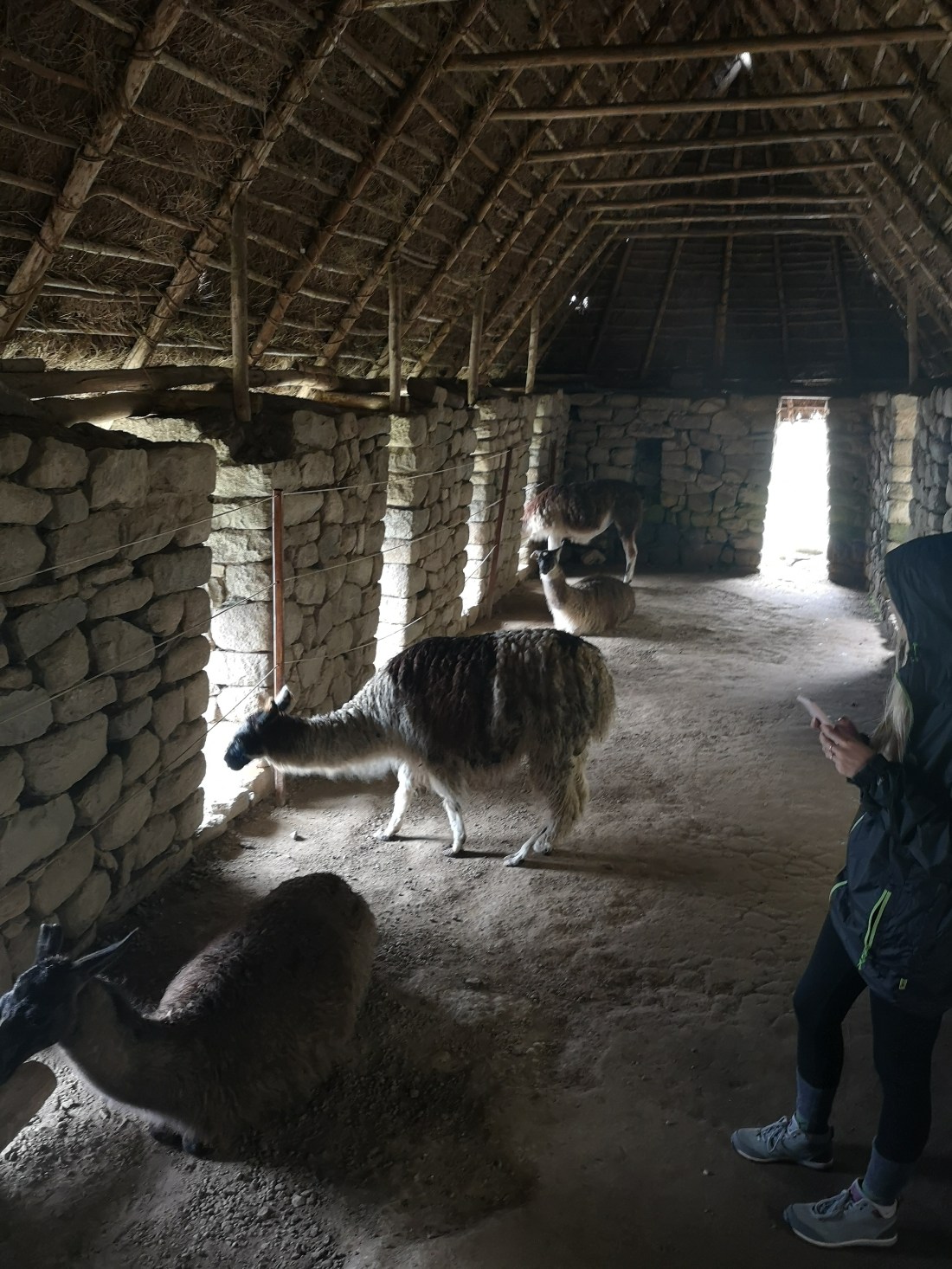
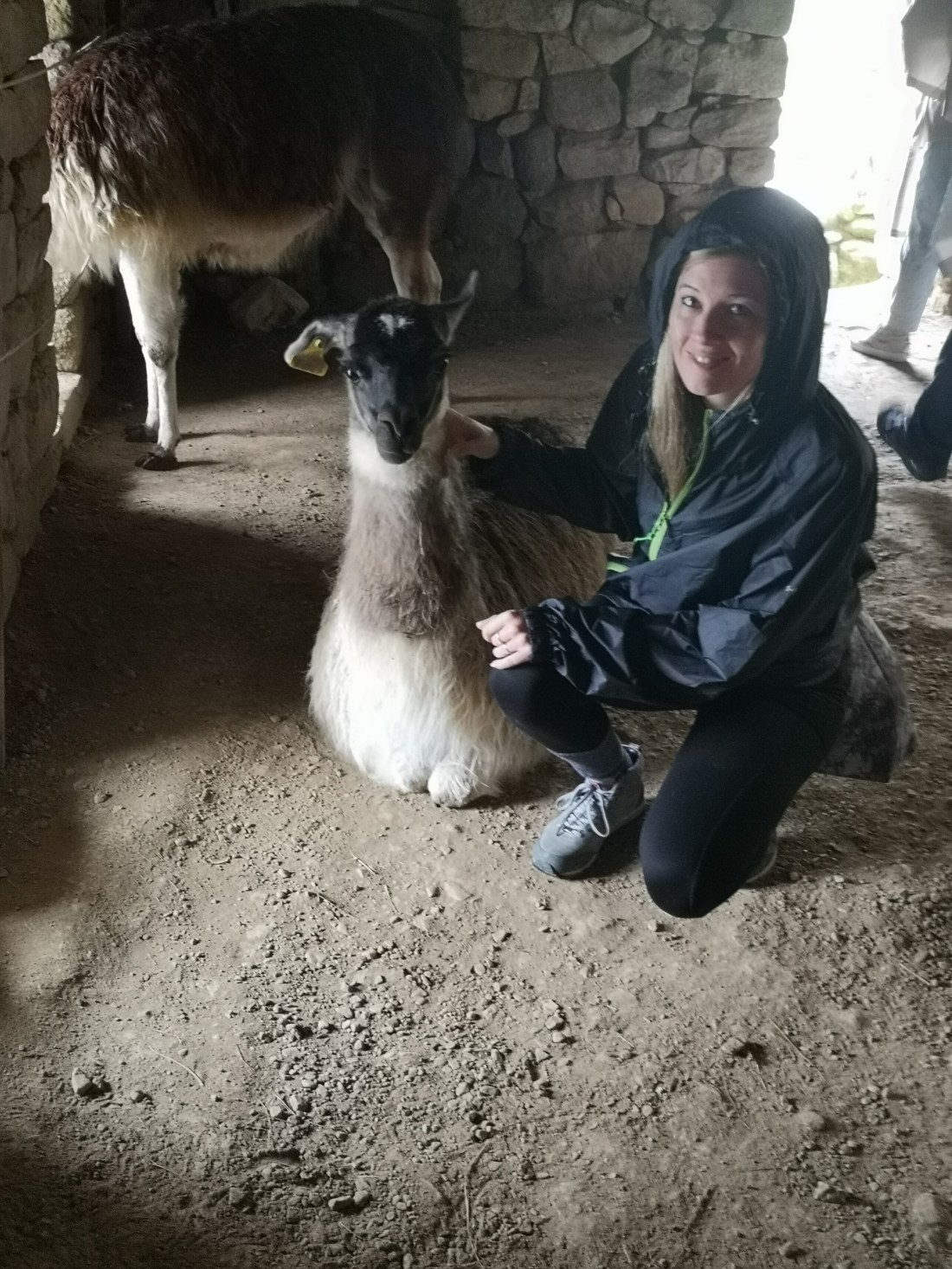
We noticed a building that had a roof (most of the ruins don’t) and so we decided to take shelter for a few minutes. So did the llamas! All 4 llamas that had been wandering around the area headed into the same shelter. We were then able to spend about 40 minutes hanging out with the 4 of them and petting those who weren’t too bothered. It was awesome!
Before catching the bus back down, our Hiram Bingham experience started at the only hotel next to the entrance to Machu Picchu.
Our upgrade included a high tea and we also enjoyed an excellent pisco sour. After a few snacks, we hopped on the bus and then boarded the train.
It was beautiful, such a treat! The trip started with live music in the bar with drinks and then a fantastic three course meal in the dining cart.
We’ve decided to add a luxury train trip to our ever-increasing bucket list – time to start saving for the orient express!
And screw hiking for 4 days in the rain, this is how you do Machu Picchu!
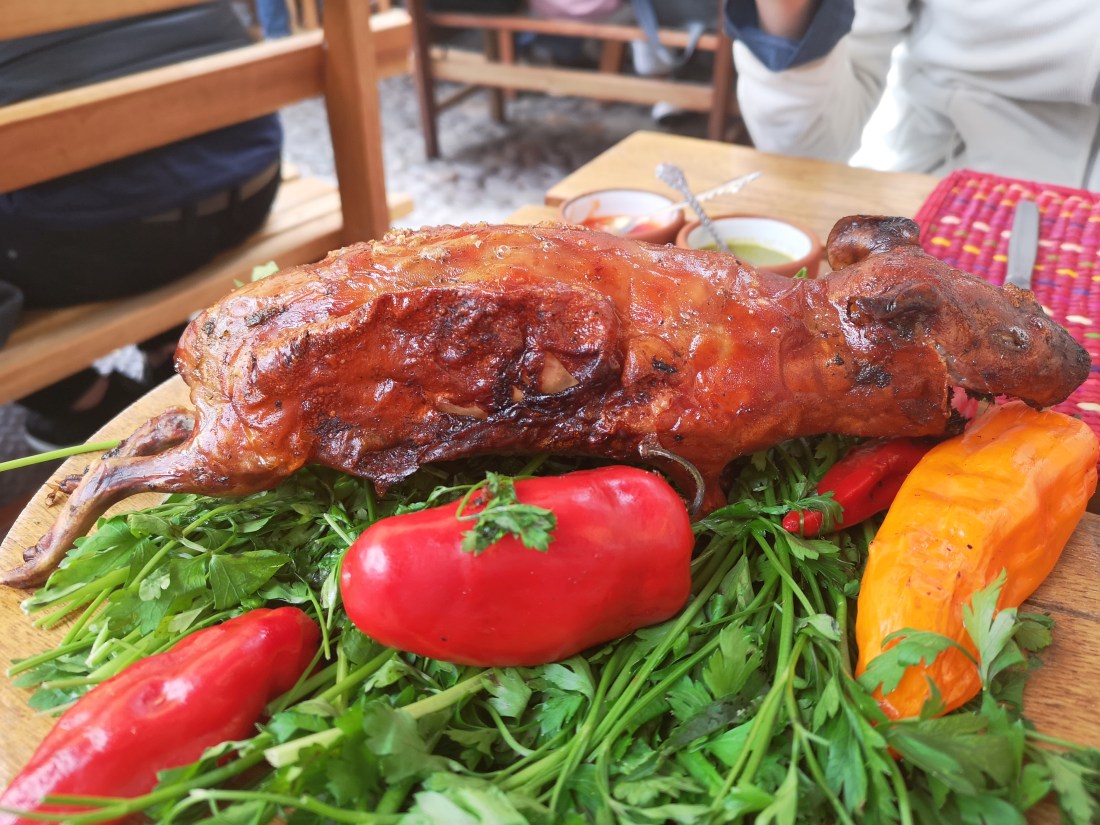
We had a few hours left the next day before our flight, so we found a hostel where we could leave our bags and wondered around, eating some delicious steamed buns we’d tried at Kion and then the traditional locals’ favorite – Cuy (aka Guinea pig!)
The Cuy takes an hour to roast and the restaurant made a point of presenting it once it is cooked (for photo purposes) before they carve it for eating.
The meat was soft and quite similar to chicken, but there are lots of bones so it’s a bit like scavenging a roast chicken carcass after everyone has finished eating. It was good, but probably not something you’d want to eat everyday.
Again, Alika was not game for eating a cute, furry animal but did try a tiny piece without regurgitating.
And just like that, we’d reached the end of our stint in Peru. After lunch, we collected our bags and headed to the airport…
Time for Chile!
 Wandering Watsons
What an experience! One I often used to dream of. I feel as if you’re doing it in my stead! So glad you’re doing this blog, it’s really great. 🥰😘🥂
LikeLike