
(6 – 13 Feb)
True to form, we arrived in the Atacama Desert (aka the driest desert in the world) and they were experiencing the worst rain and floods in about 10 years.
At least it wasn’t a surprise seeing as though the host of our backpackers had warned us and we’d had some time to rearrange our plans.
Part of our original bookings included a hired car for the duration of our stay. Because of the last minute changes, we risked a 3 day penalty from the car hire company for cancellation. Luckily we figured out that by amending the booking to 1 day instead of the orginal 5 days, we would avoid this. Sweet.
We made the necessary changes and decided to drive in the opposite direction for our first night in Atacama to a city called Antofagasta, which was about 200km west of Calama (where we landed) on the coast.
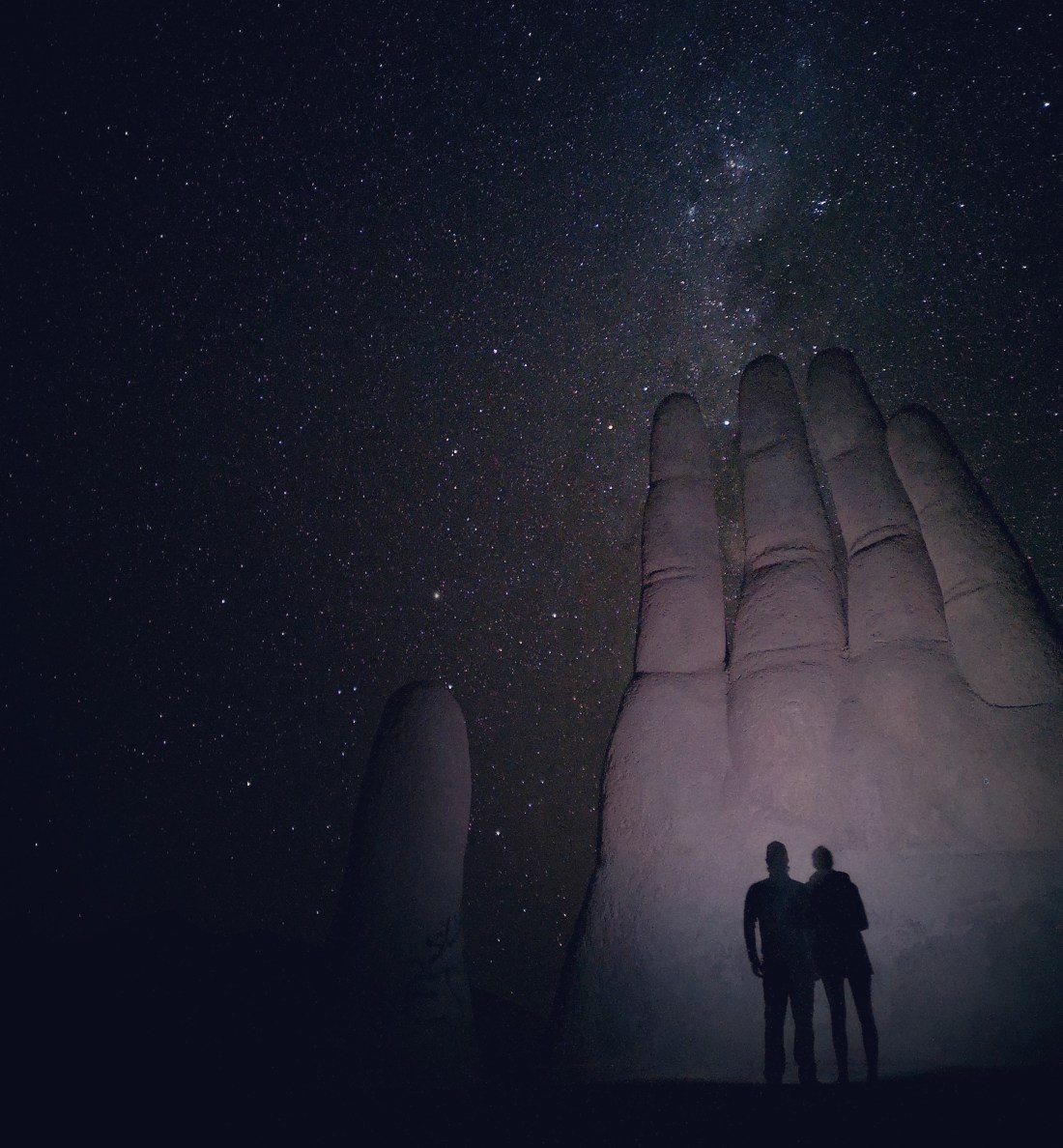
About 100km past Antofagasta is a random 11m high hand statue – Hand of the desert/Mano del desierto. This hand is in the middle of nowhere, symbolically waving goodbye to travellers going past, as they are about to embark on a long stretch of road in one of the most remote parts of the desert with nothing around for hundreds of miles.
Visiting the hand was one of the things we originally wanted to see but, because it was so far out of the way, seemed unlikely to happen. But the changes in our plans, and the one night that we had to take the car, meant that it became feasible to see the hand. And in any case, the road to San Pedro was closed for small vehicles due to the rain; only tour busses were allowed through for some reason.
We set off from the airport to try get to the hand before the sun went down as we wanted to try catch it during sunset. Time was a bit against us, but was nothing around with long, straight sections of road and you could see for miles ahead, so at least overtaking was easy.
Antofagasta is a mining region so there really is not a lot to see other than lots of trucks and other mining vehicles on the roads.
We completed the approx. 300km drive and got to the hand just as the sun was setting. Unfortunately it wasn’t that great as the sunset didn’t really catch the hand well and was on the wrong side. Nevertheless, it was cool to see so we hung around for a bit (waiting for people to leave) and took a few photos.
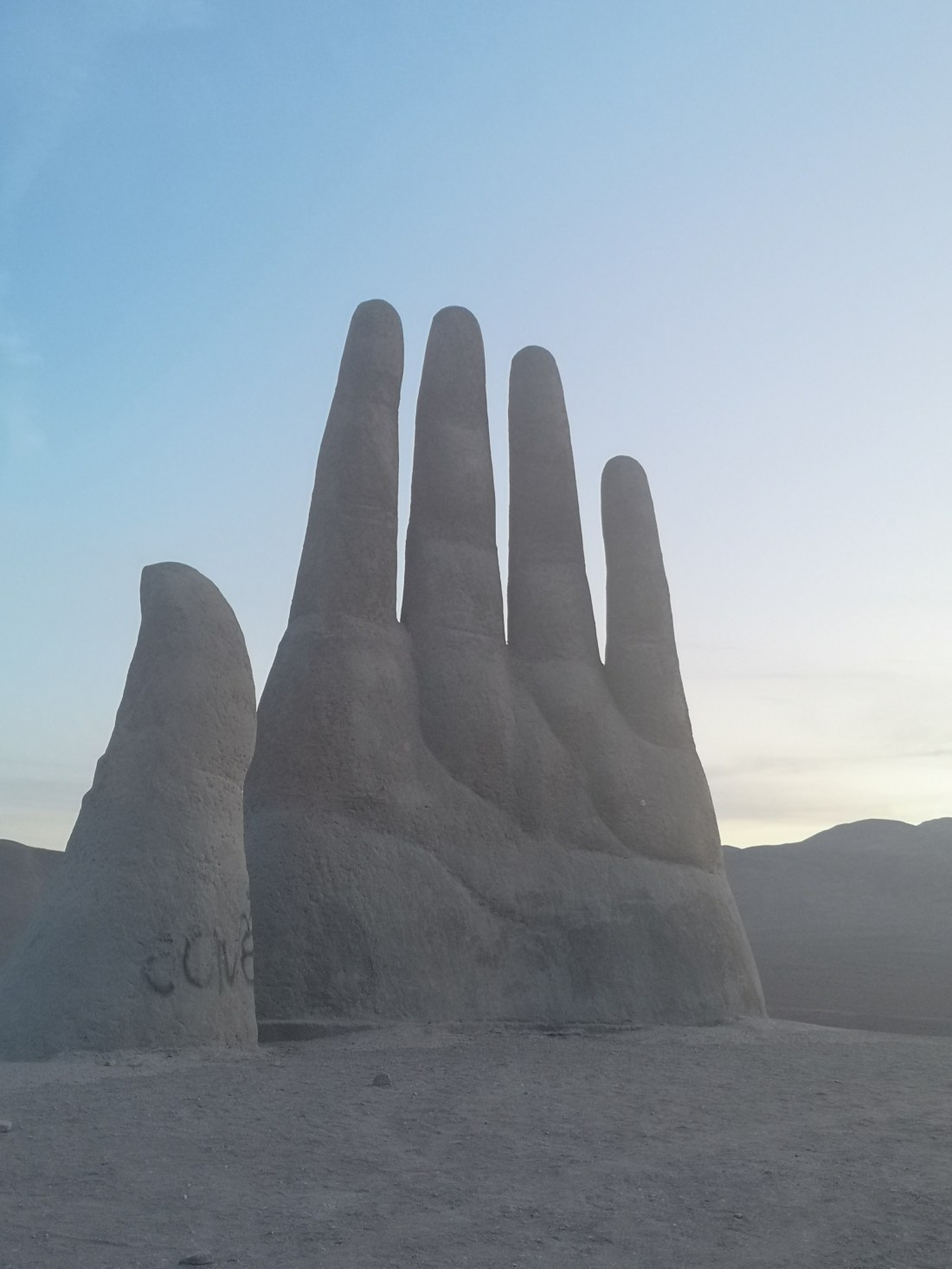
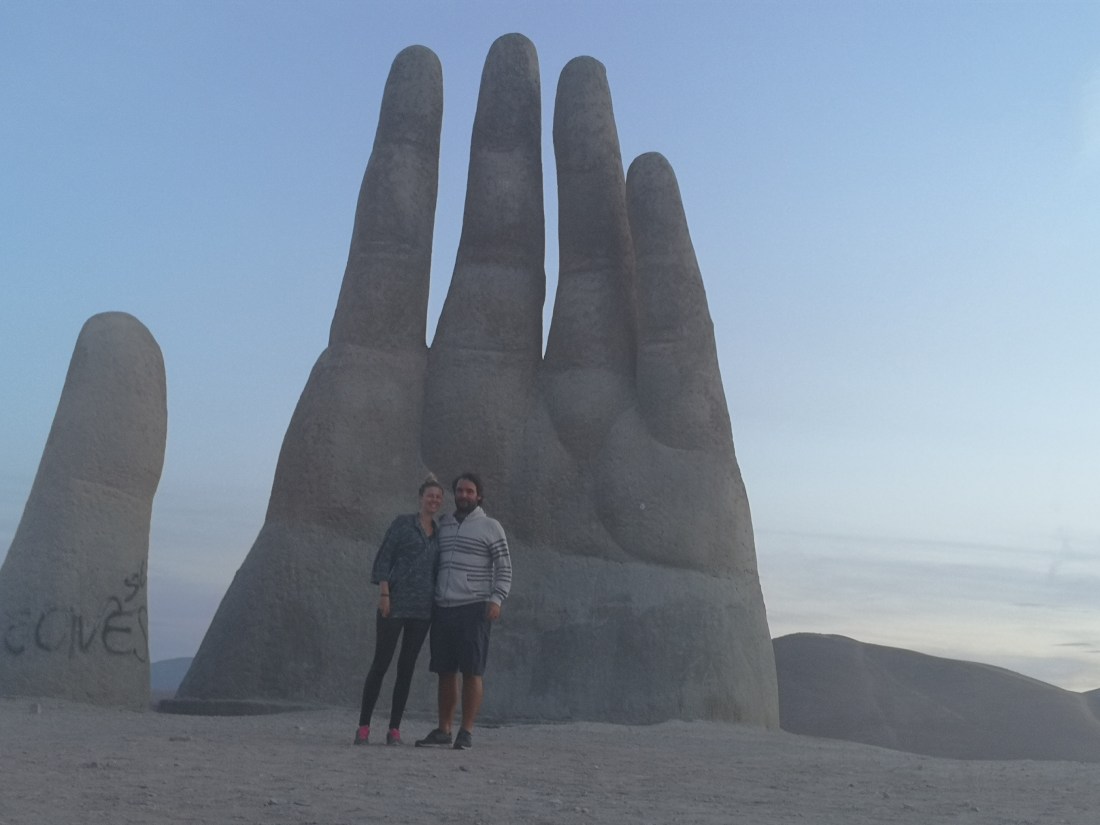
It was a bit windy and quite cold, so we packed up soon after and headed to our accommodation in Antofagasta.
We checked in, chatted to our host and told him about our trip to the statue. He told us that what most people (tourists) don’t know is that the best time to go to the hand is actually after dark. That stretch of road is one of the best spots in the southern hemisphere for stargazing.
Due to certain climatic conditions the sky there is always clear and there is almost no light pollution from surrounding buildings/towns. He showed us a few photos that a local photographer had taken. The photographer offers trips to the hand to take photos (for a fee of course), but it was a bit too late for us to make a booking. The main advantage is that he has a proper camera while we rely on our phones.
We thought about it for a while and decided that we’d first go for supper in town and then drive back out to see the stars and to try get some cool photos ourselves. And we put on a few extra layers of clothing!
After supper we drove the 100km back out to the hand. It’s not really a pleasant drive at night with mostly big trucks, no streetlights, and numerous little shrines for people that have been killed along the road.
We arrived at about 23:00 and there was just one family there with two small children. They had positioned their car with the headlights shining directly onto the statue, which made it impossible to take the photos we wanted and didn’t really help the stargazing either. We waited it out and after about 30 or 40min they finally left.
Finally there were no lights around and it was really impressive to see the Milky Way that clearly. While we can see the Milky Way in some parts of South Africa, this was quite a sight with a random 11m high concrete hand in the foreground.
Time to get creative! We only had our phones with us and a cheap tripod that we bought in Cusco that holds a phone. We had the place to ourselves and we played around with various settings on the phones and lighting options to illuminate the hand while taking long exposure photos.
It was a lot of fun being out in the middle of nowhere with the Milky Way on display above us and we only left after 1am.
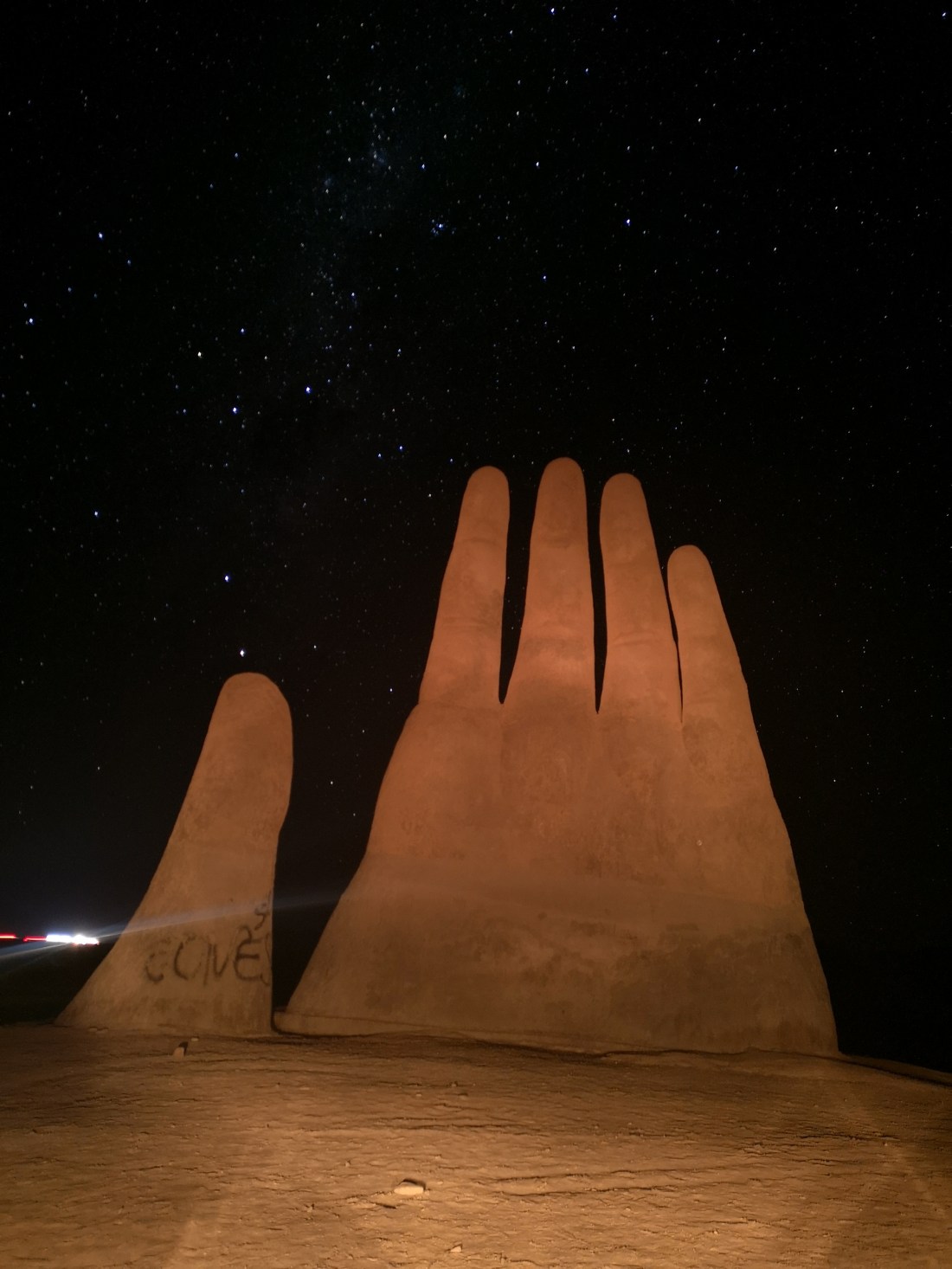
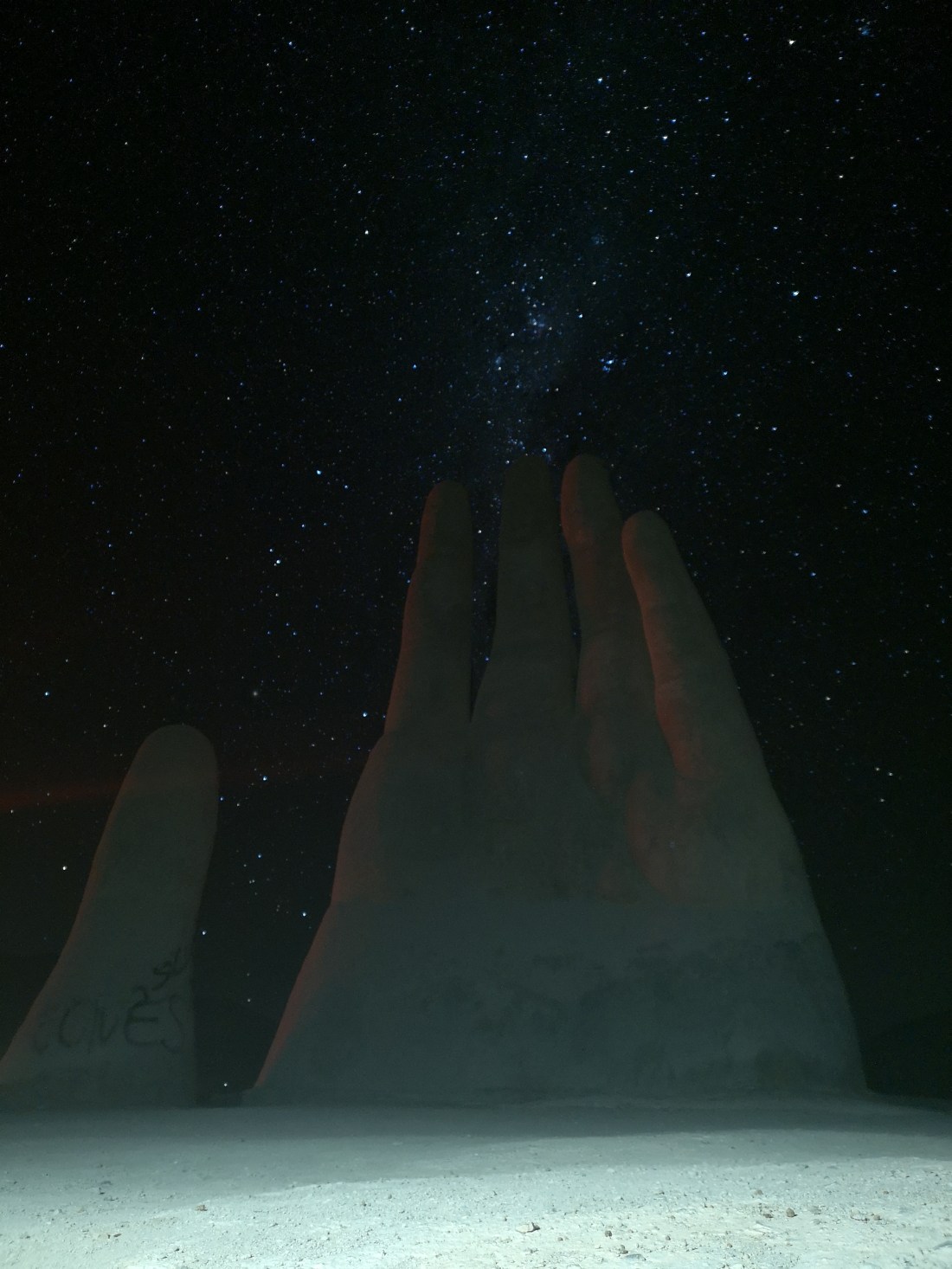
The next day we drove back to the airport to return the car and catch a bus to San Pedro de Atacama. We had picked up the car at 5pm the one day and returned it at midday the following day with over 800km added. Quite an effort.
Before driving in to San Pedro, you look down on the town from the top of a hill. The town looks like an oasis with the only bit of greenery for miles and miles around.
We arrived in the late afternoon and as expected it looked far from the ‘driest place in the world’. As they do not typically experience such high levels of rain, they do not seem to have the infrastructure to cope with it.
The town has a very specific look to it. There are almost no double storey buildings and most of the buildings are made from adobe or mud bricks with various roof types. Only certain areas of the town have paved roads, so there were massive, deep puddles all over the place.
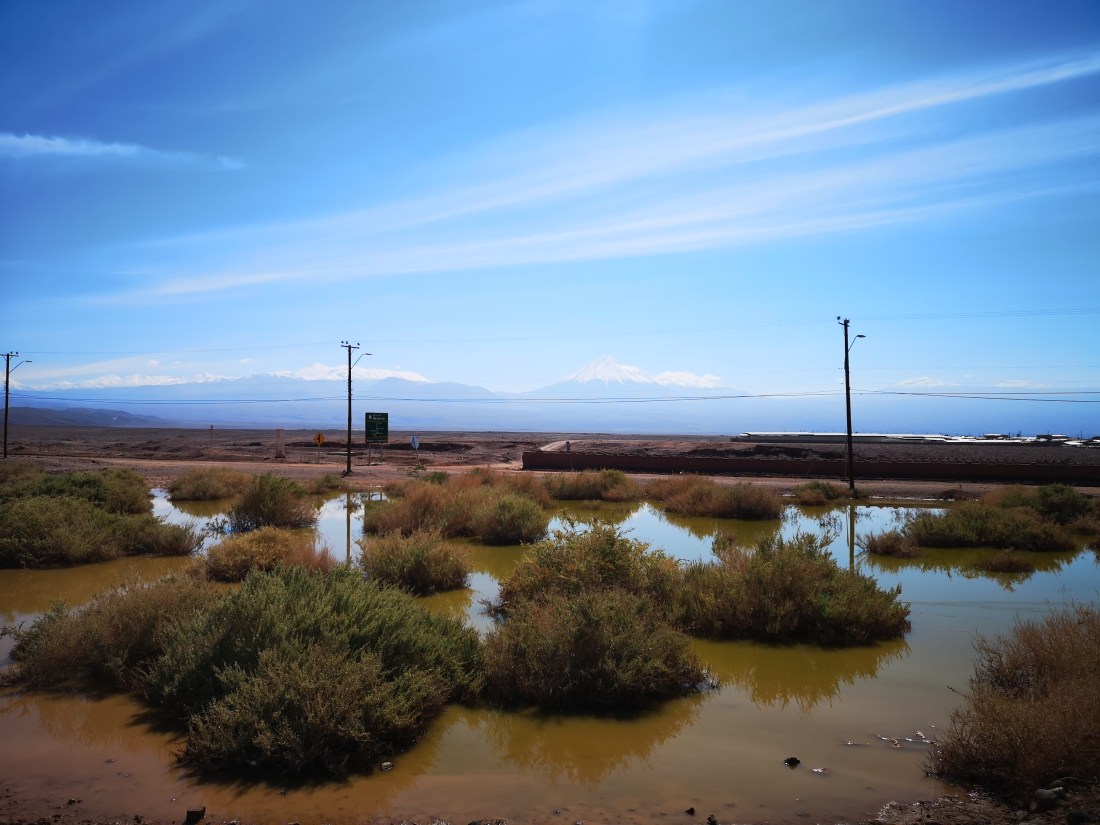
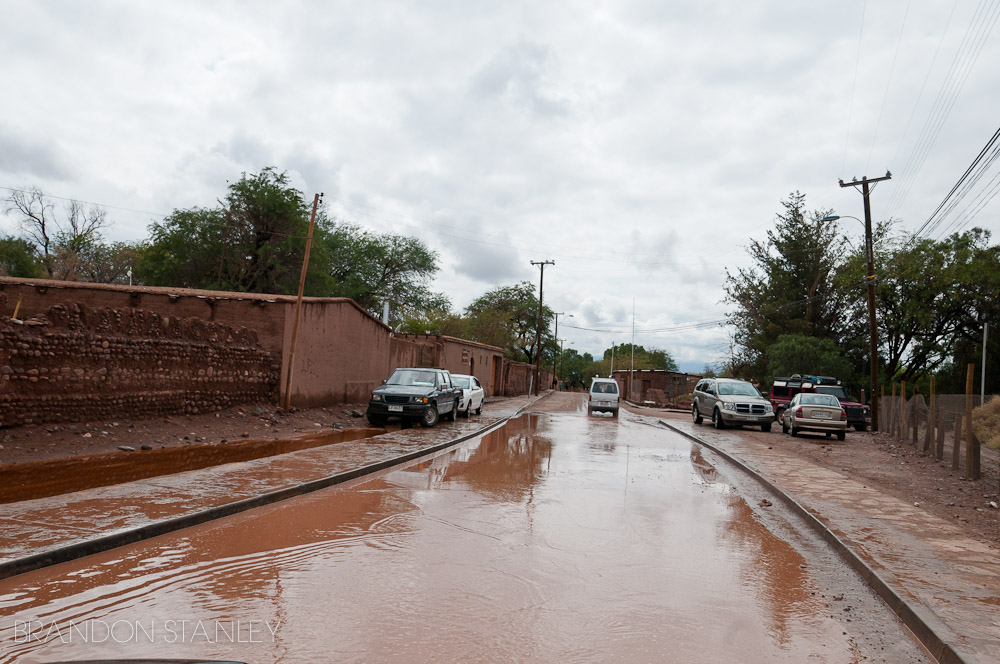
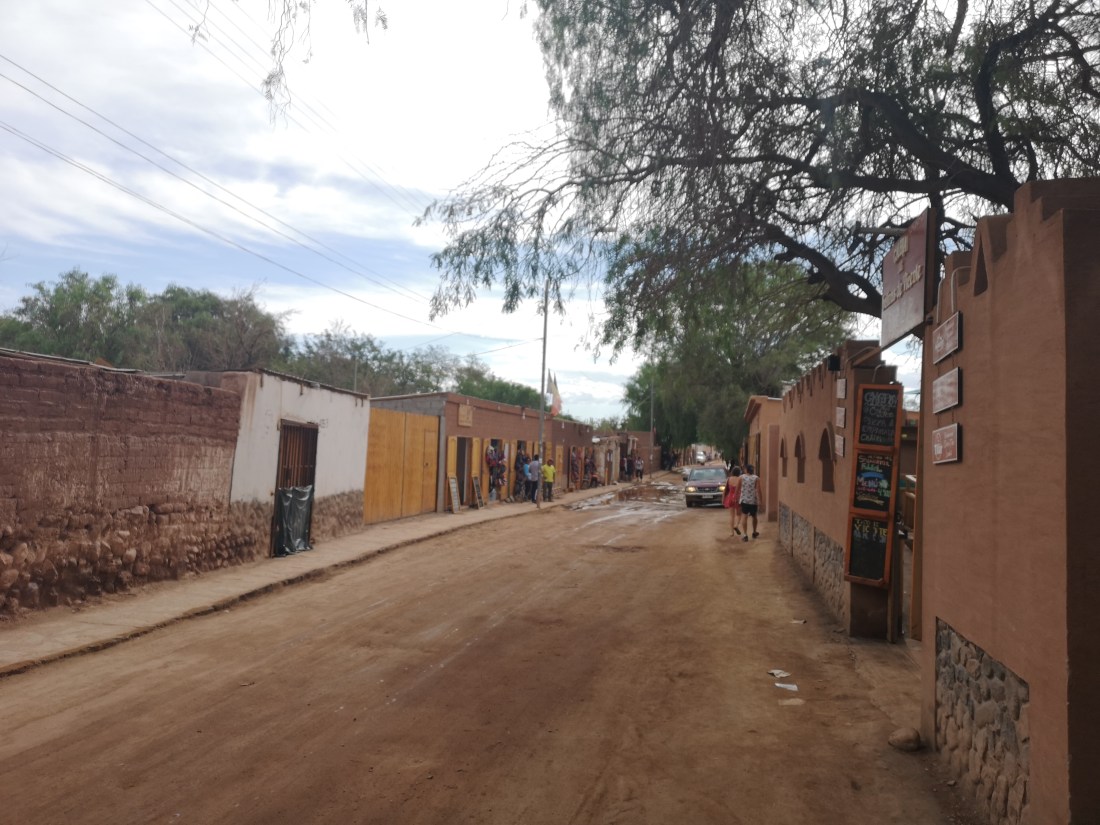
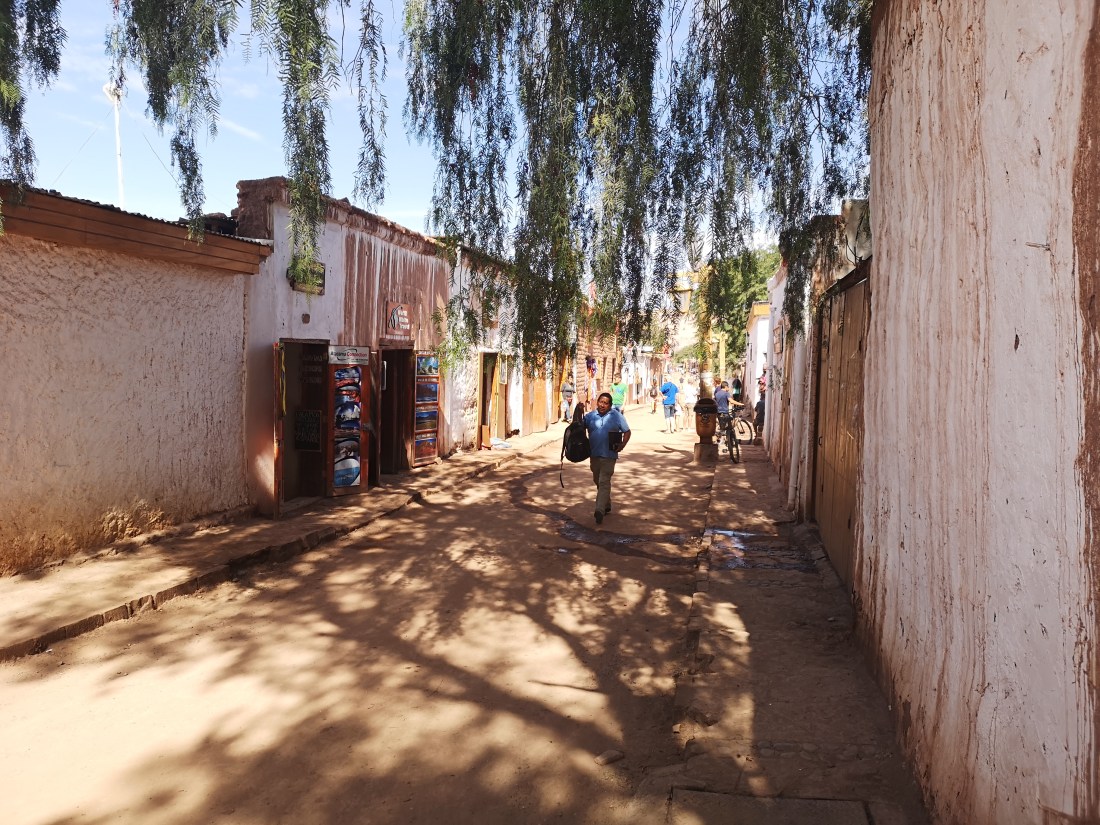
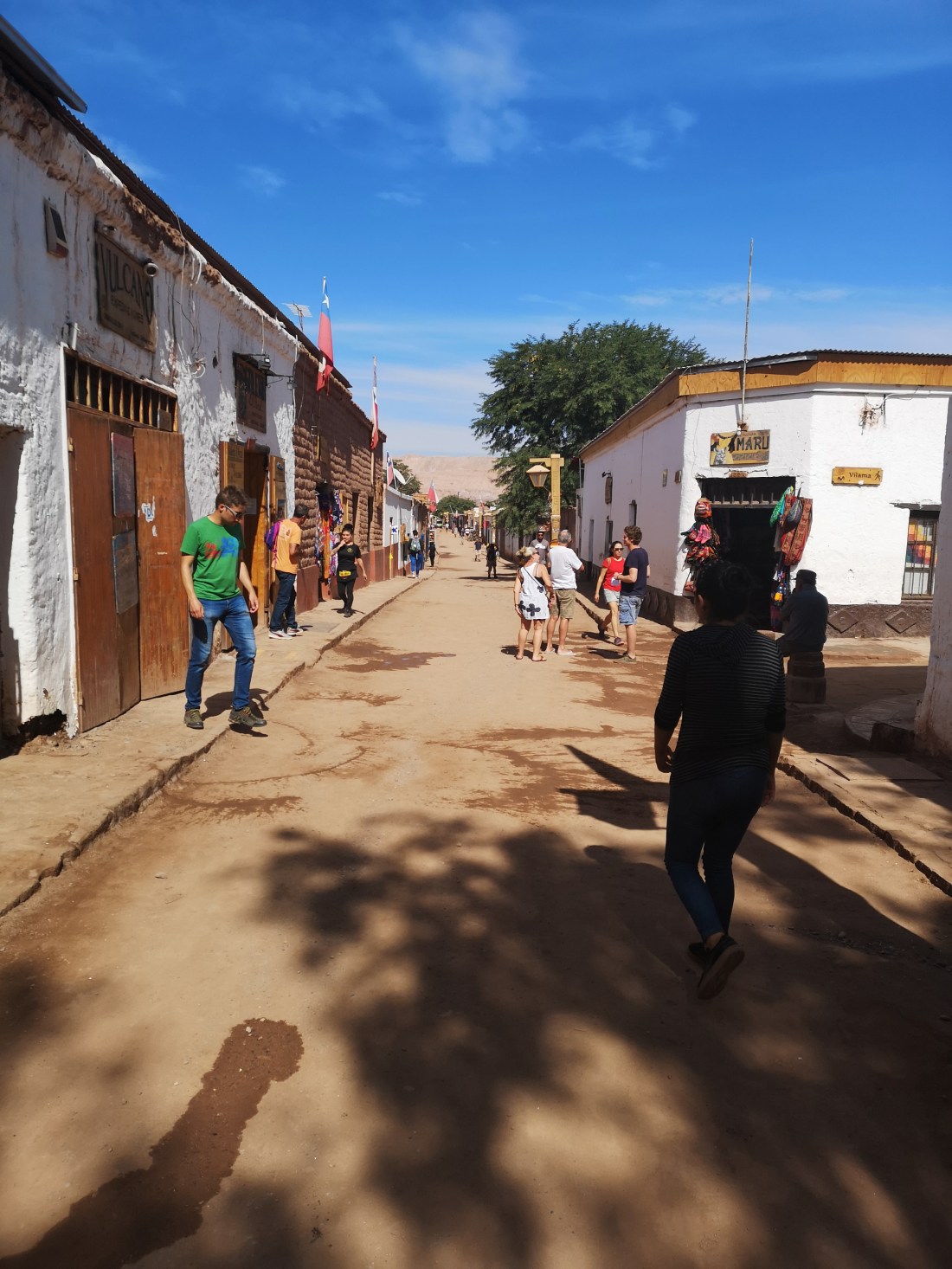
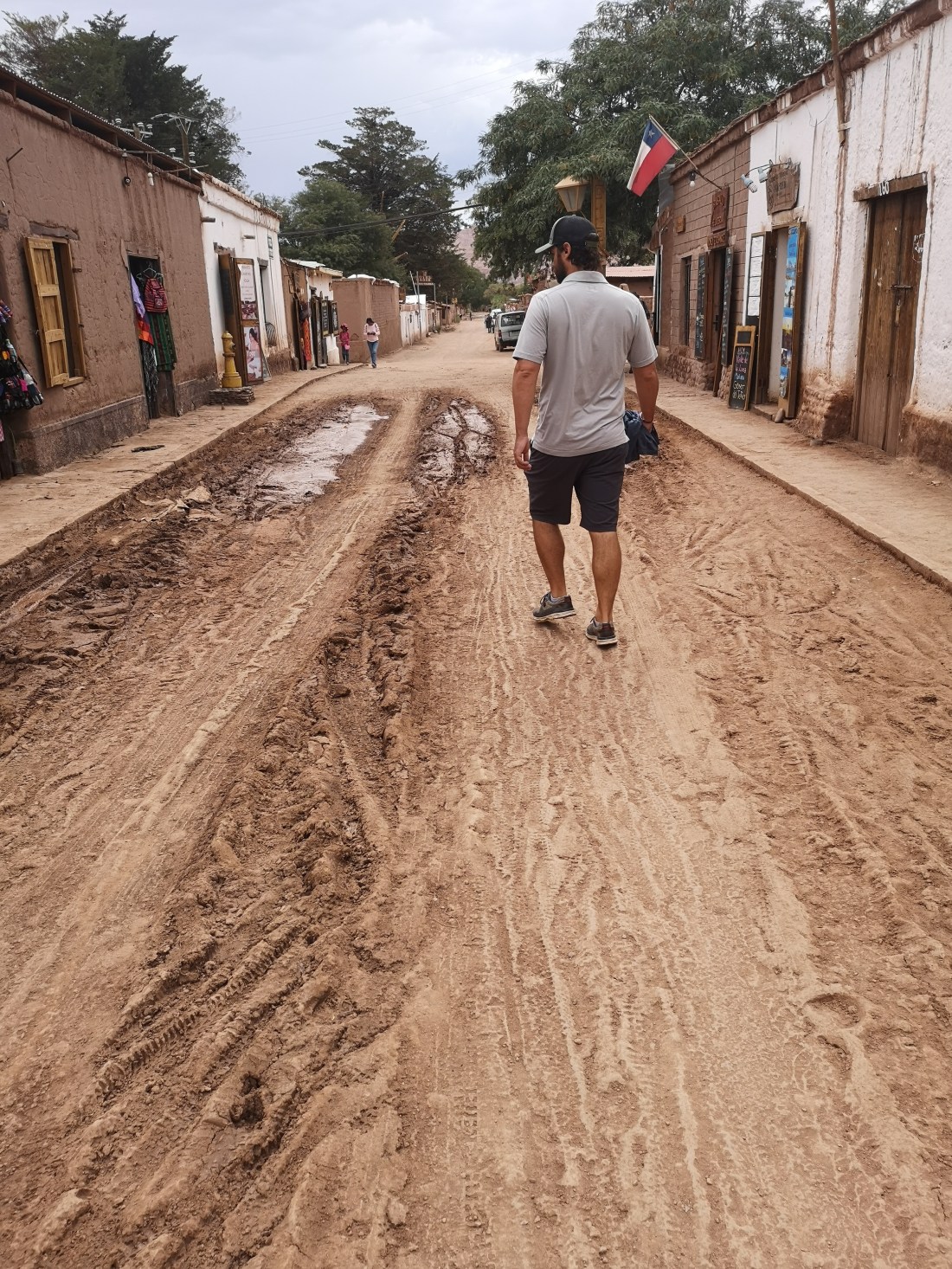
We decided to take a taxi from the bus station to our accommodation, instead of walking, as the weather looked pretty threatening. It turned out to be a good call.
While en route to the backpackers the heavens opened with one of the heaviest downpours we have seen in a while with lightning and thunder.
We checked in for the night and watched the storm from a sheltered passage in the backpackers. The rain cleared after a while and we went to the shop just up the road to stock up for our trip to Bolivia.
There had been some confusion with organising the tour. The organisers on the Bolivian side were not the best communicators, only giving partial answers to some of our questions. They also asked us to confirm 3 times that we were actually going on the tour. Our host on the Chilean side was a bit more helpful, but with the heavy rains falling (in Bolivia too) it was difficult for him to really know what the conditions were like.
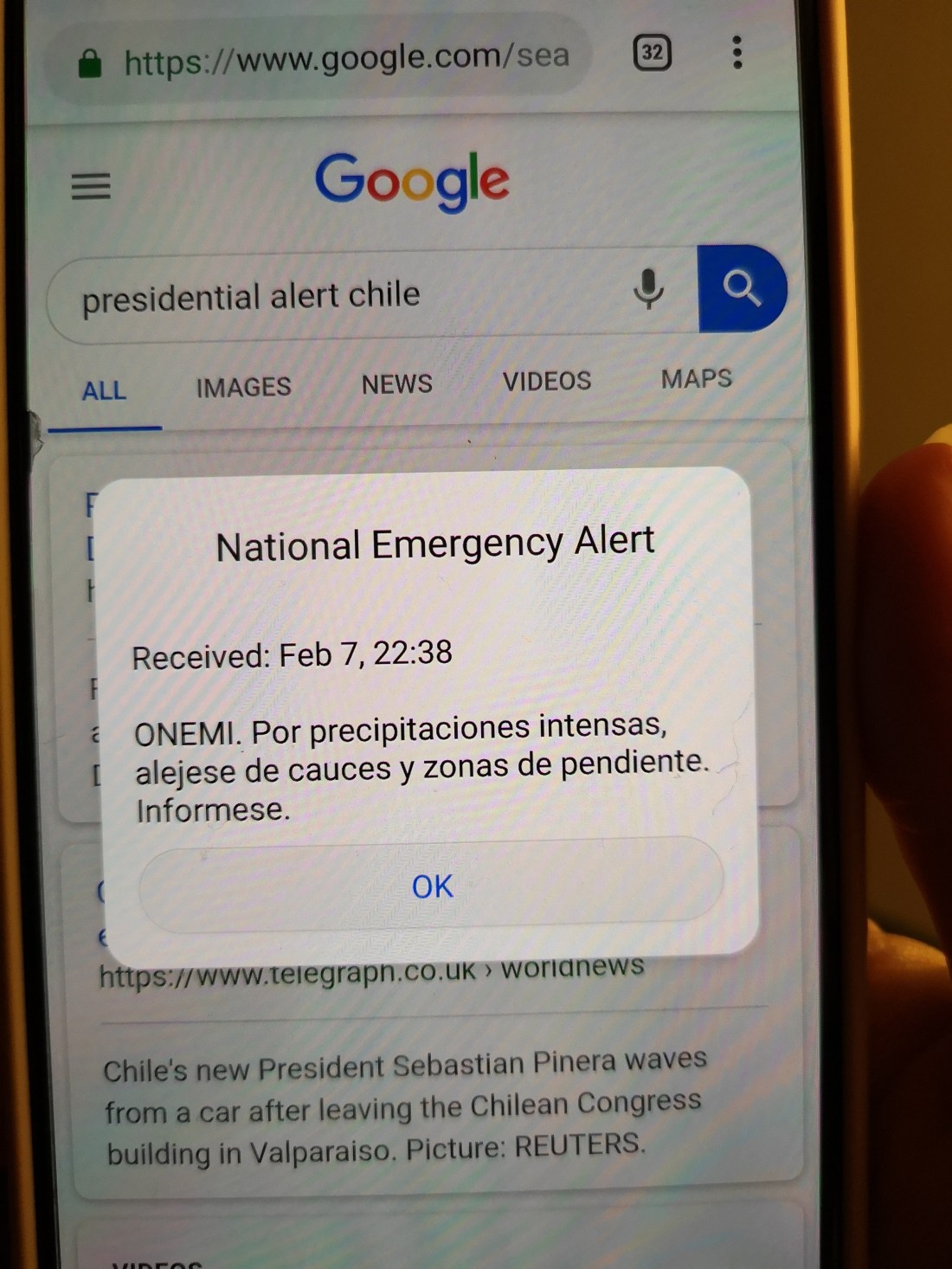
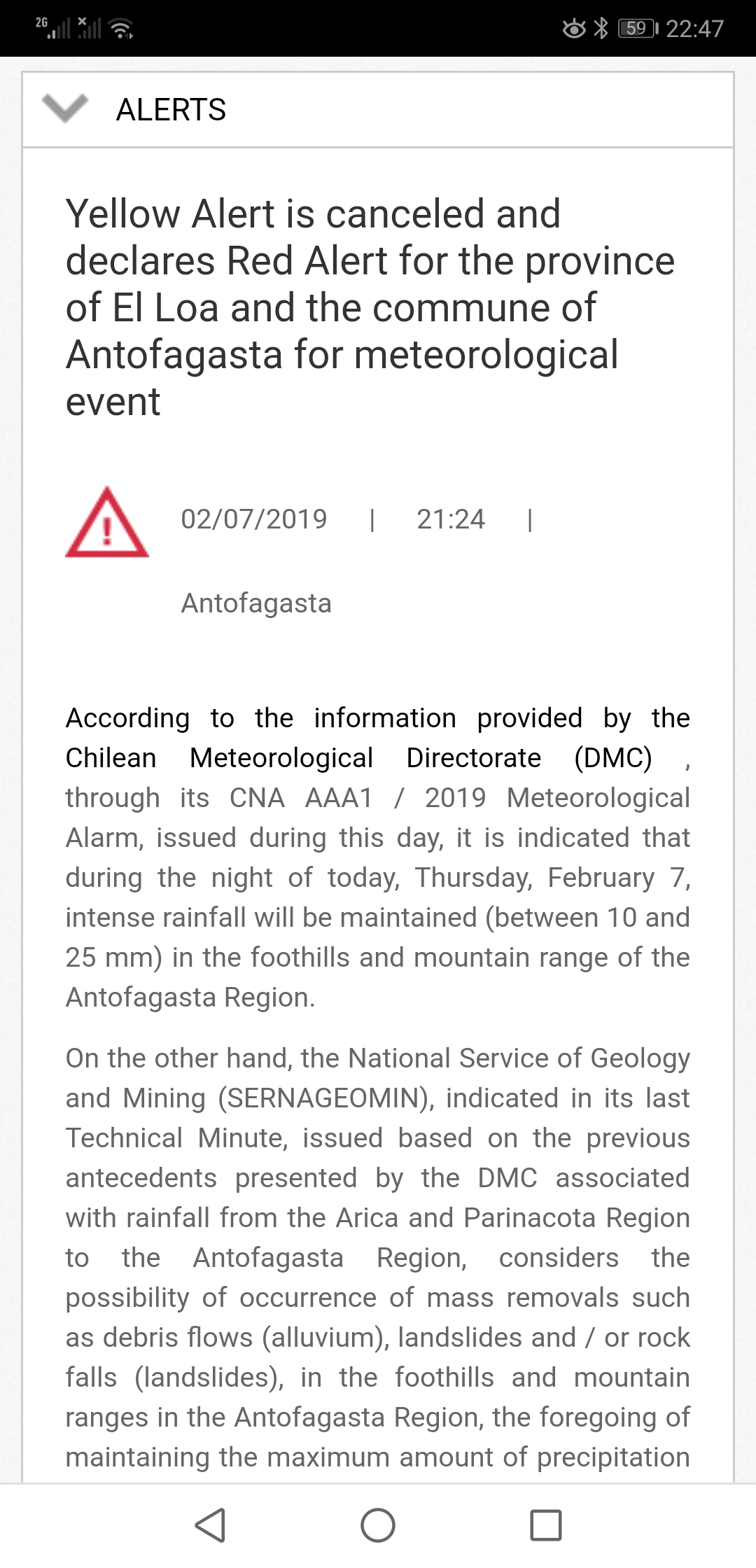
That night while relaxing watching Netflix, we were given the fright of our lives when our phones started going off with a loud siren that neither of us had heard before and the screen flashing red. It was a national weather alert for heavy rains in one of the neighbouring districts. Of course it was all in spanish so it took some quick screenshotting and googling to figure out what it was.
Anyway, we got on the bus at 7 in the morning and headed to the Chile/Bolivia border.
Like many things in this part of the world the border is somewhat unpredictable and on this morning it was closed for a while, so we had to wait an hour just outside town before we could continue the 45min ascent to 4200m where the border crossing was.
Once we got there we waited another hour or so before they actually started processing any people through the border.
Regardless of their inefficiency, it must be said that this was definitely the most scenic border crossing we had been through.
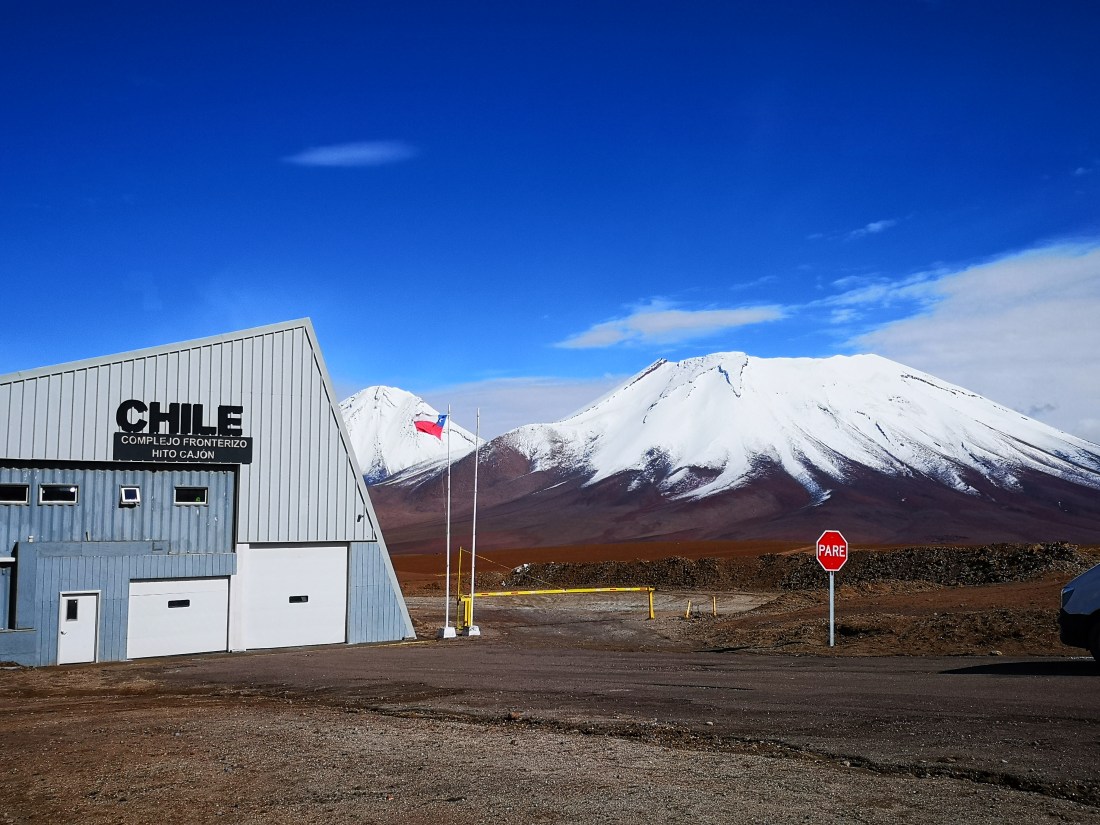
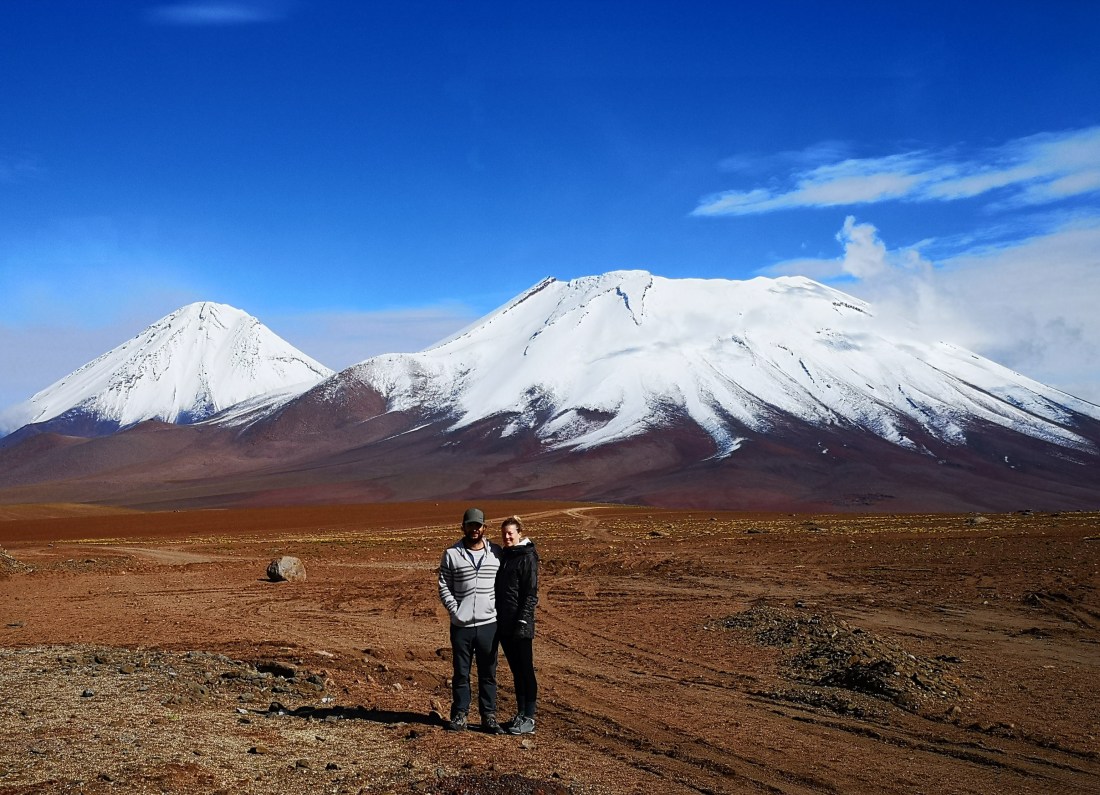
Eventually we passed through and after a 2 min drive we were at the Bolivian border post. Luckily, this crossing was quick and easy.
Once we had completed the necessary formalities our large group divided into 2 smaller groups to fit into 4wd vehicles.
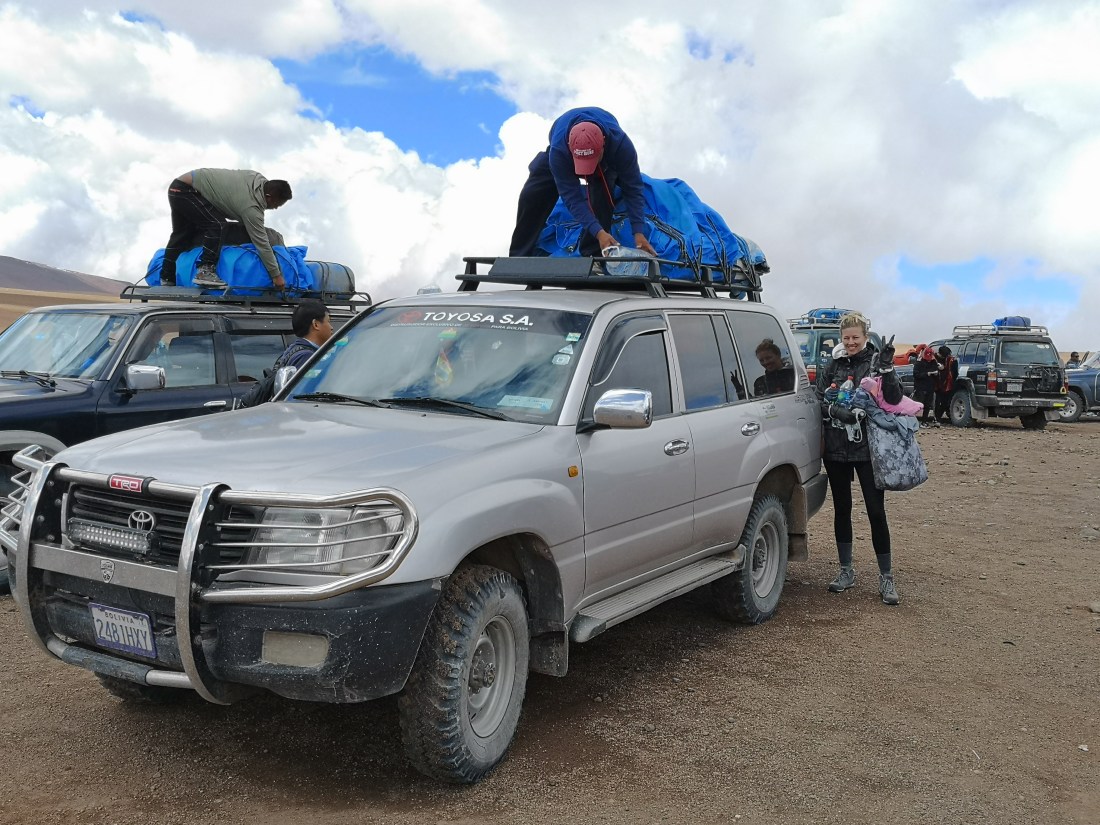
We were paired with a group of Chinese tourists and assigned to a Toyota Land Cruiser. This would be our carriage for the next 4 days. And we would go on to spend many hours in it over that period.
Finally, our adventure into Bolivia got underway properly.
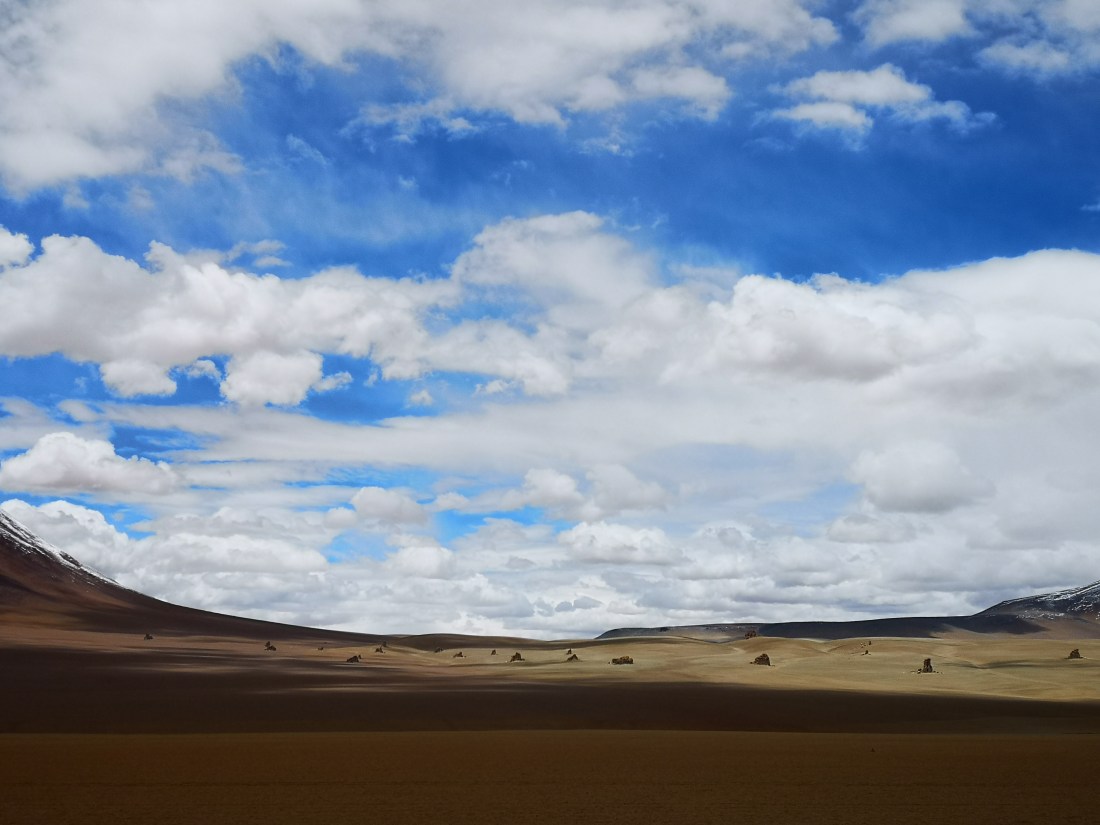
The first part of our journey took us past some lakes and some otherworldly landscapes and scenery.
After about an hour on the bumpy roads, we arrived at our first stop – a natural hotspring – for a quick swim and lunch.
The water was a really good temperature, a fair bit warmer than the lukewarm water we had at the hot spring in Costa Rica. But maybe it just felt that way because of the icy wind blowing from the snowcapped mountain peaks surrounding us.
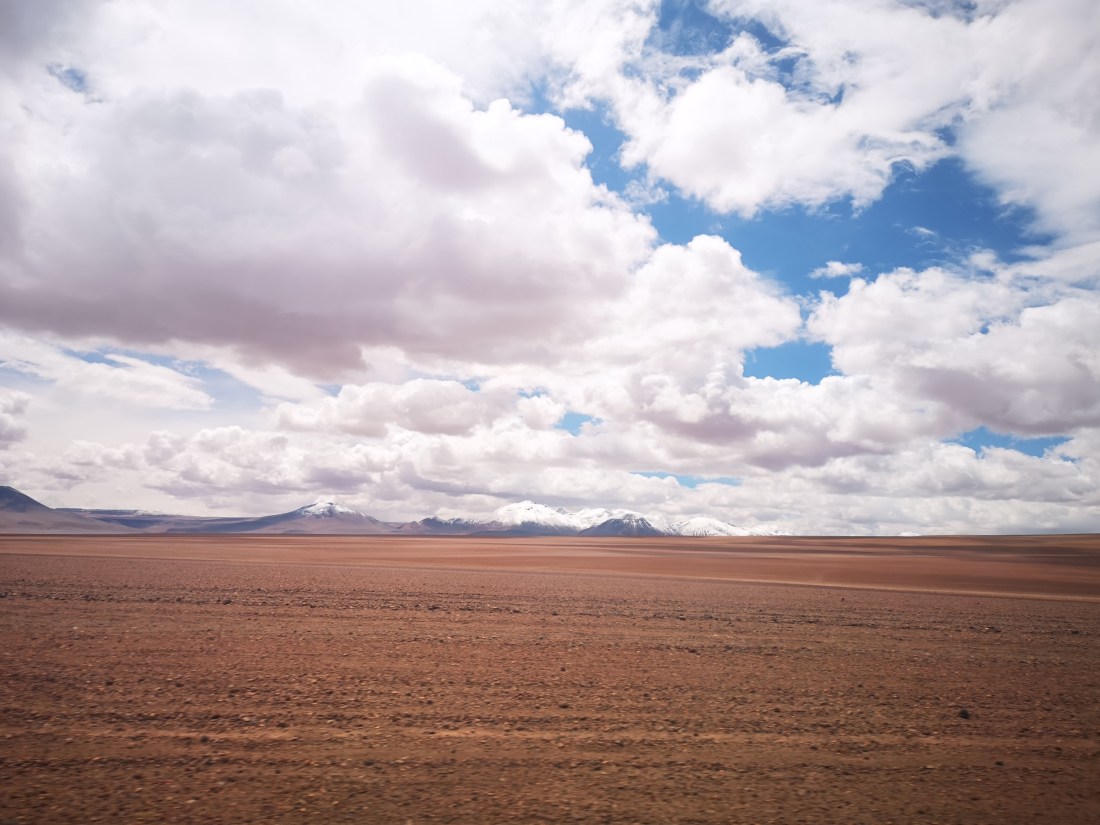
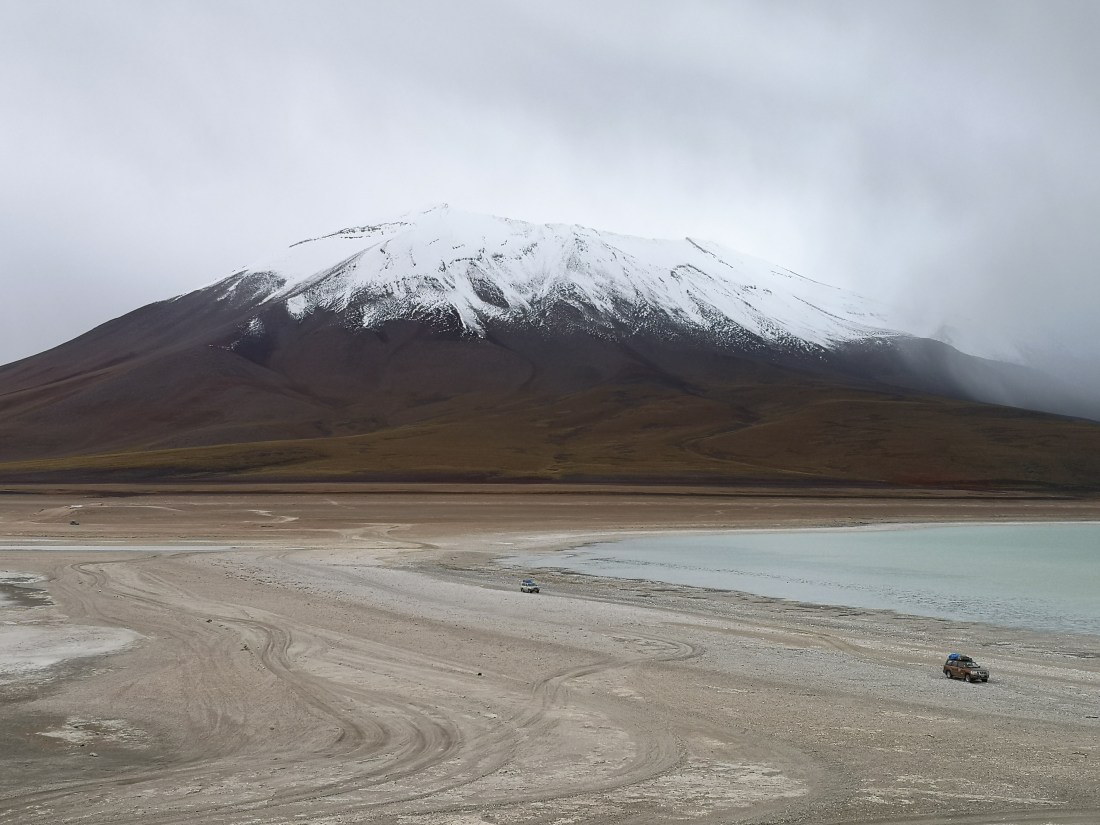
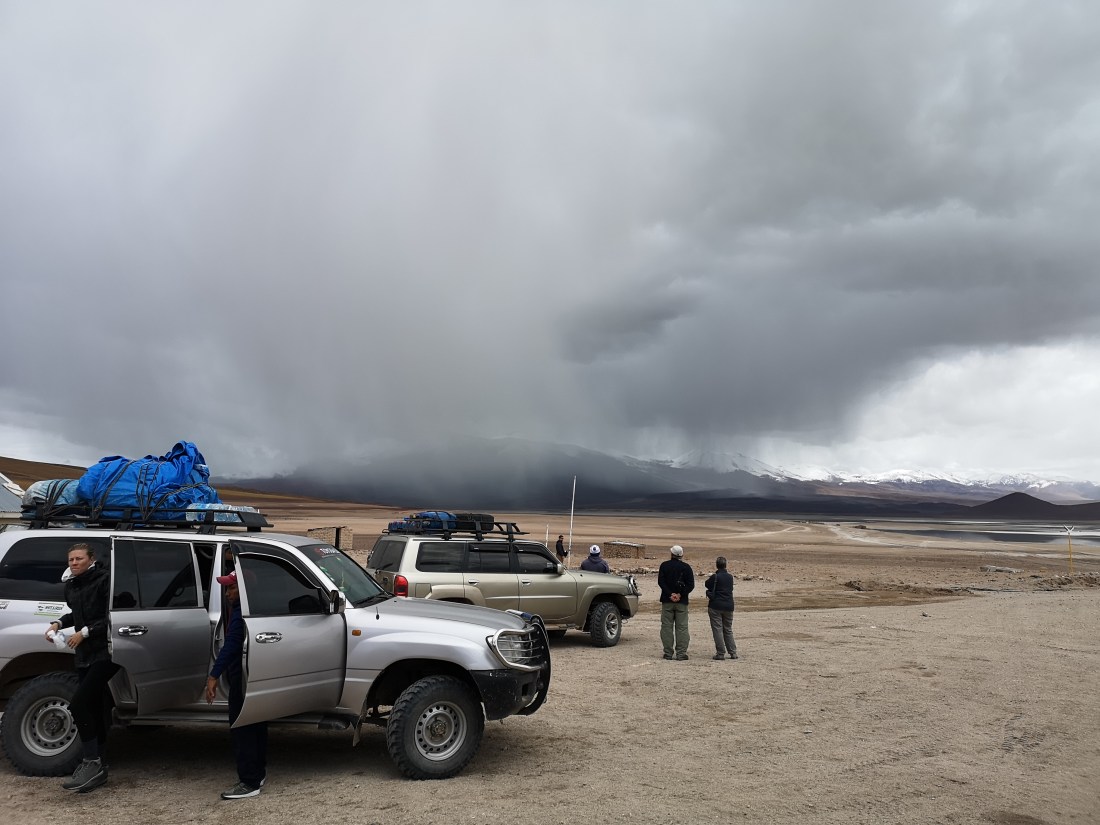
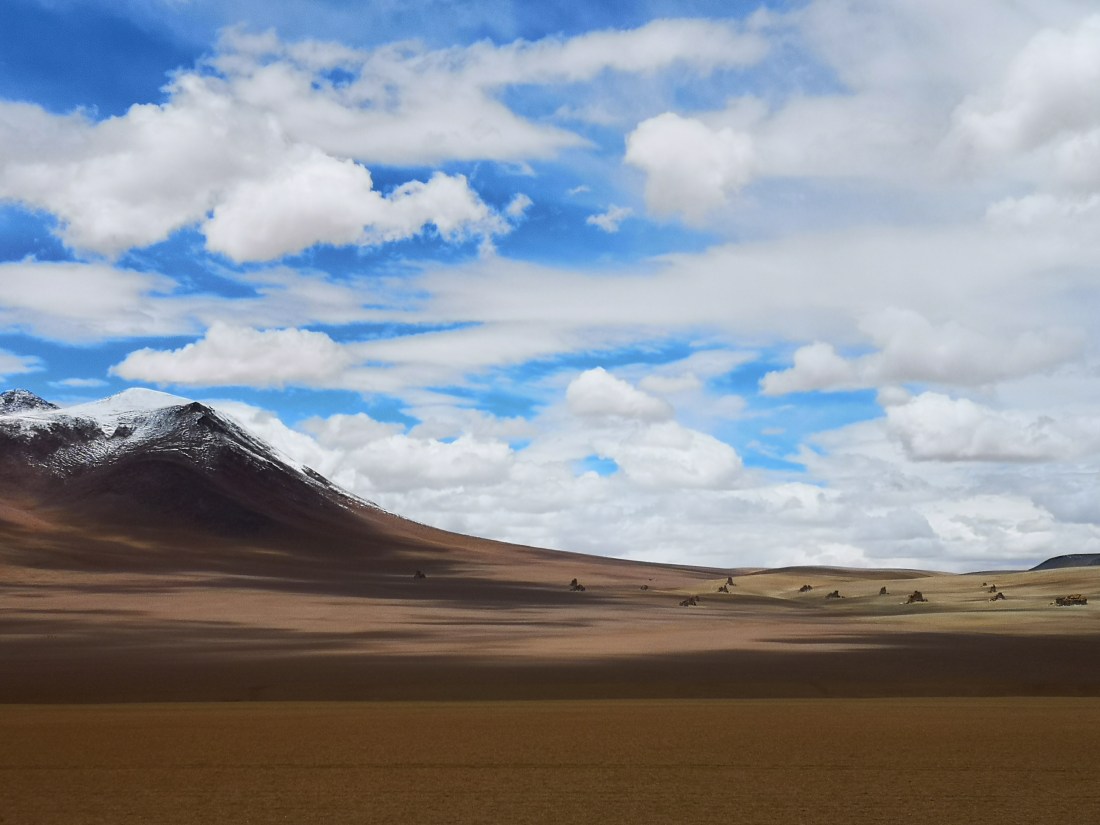
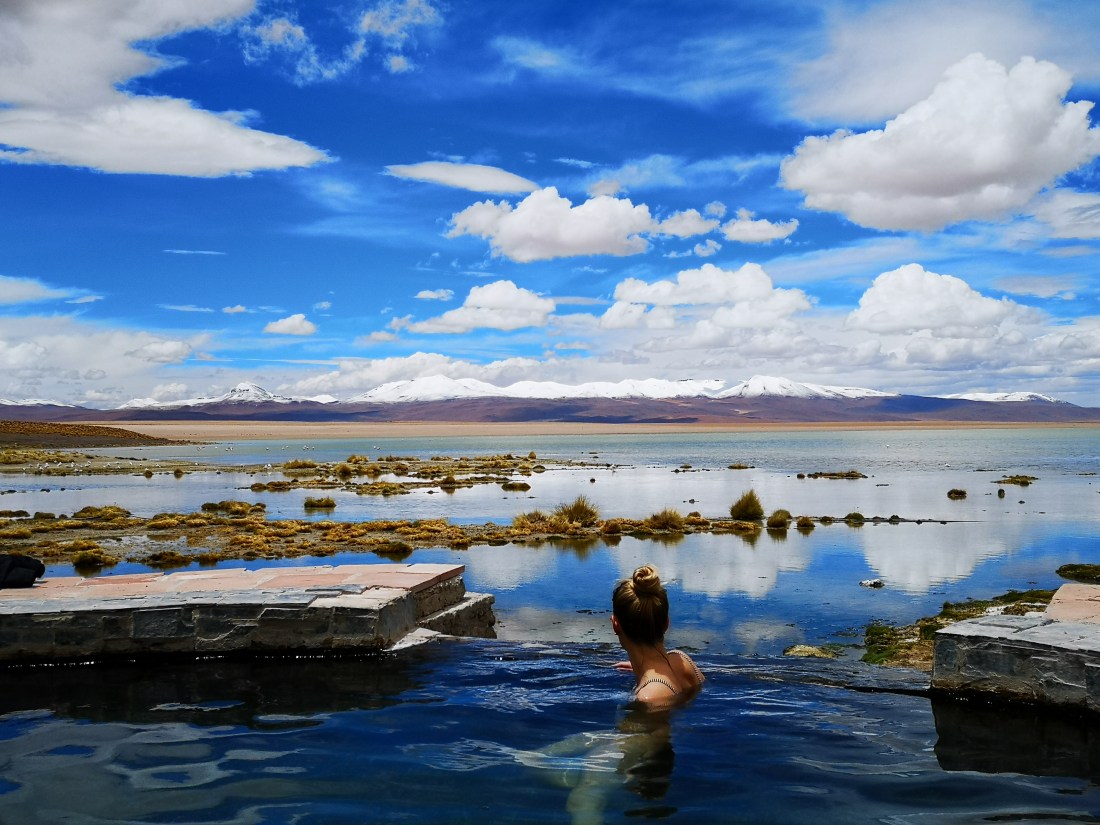
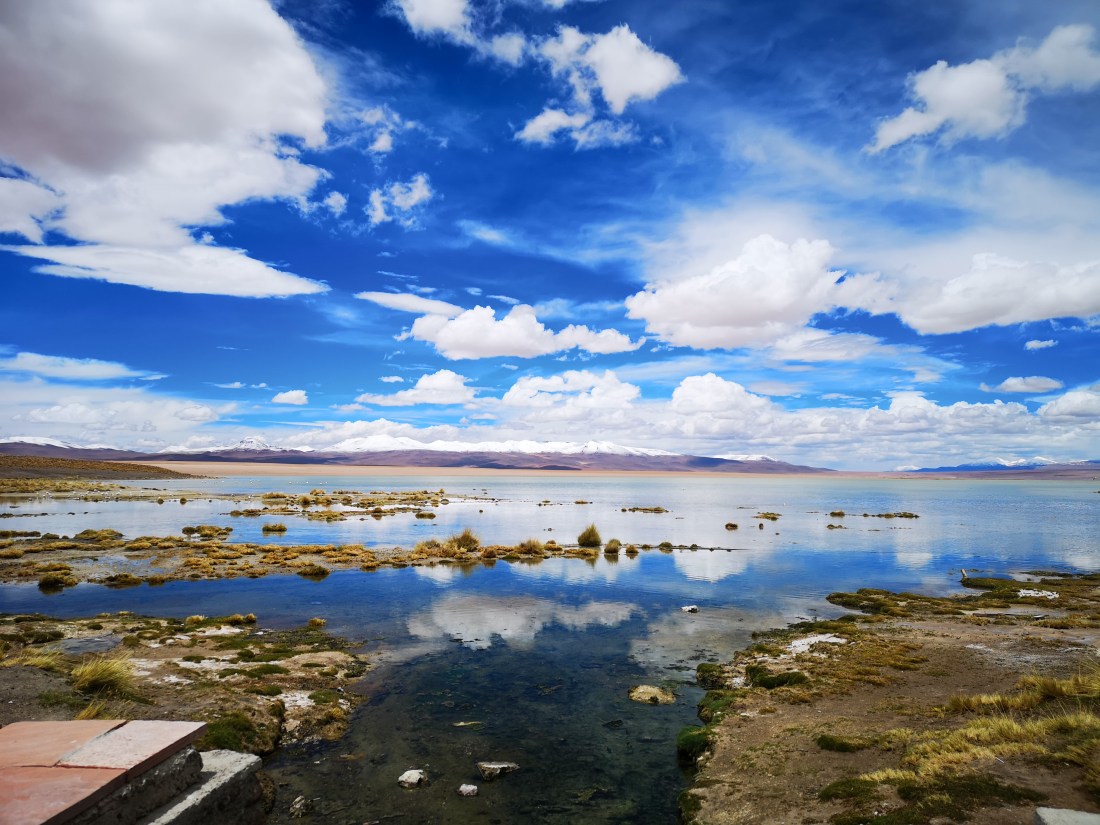
After lunch we piled back into the cars and headed off again. As we ascended towards the highest altitude of our trip we passed a few more scenic lakes and landscapes with some flamingos and llamas.
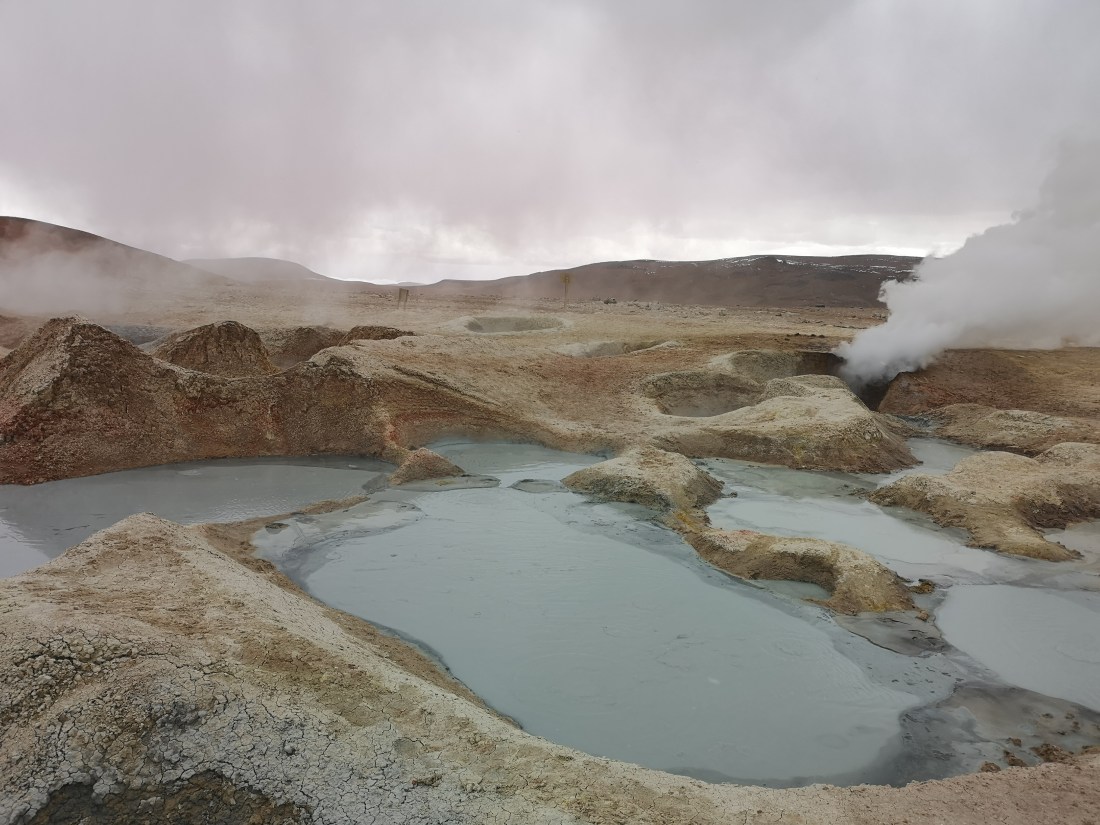
At the highest point (5000m) there were some geysers, so we stopped to check them out.
As we got out the cars we noticed small white flakes falling. It was snowing! Snow flakes soon turned to ice and it became more sleet than snow.
We wondered around for a bit with boiling water bubbling up from below our feet and ice falling from the sky. All at an altitude of 5000m surrounded by incredible landscapes. It was all quite surreal.
At this altitude you could clearly feel the effects of altitude sickness. While it wasn’t too bad, it was definitely noticeable after walking around for just a short while.
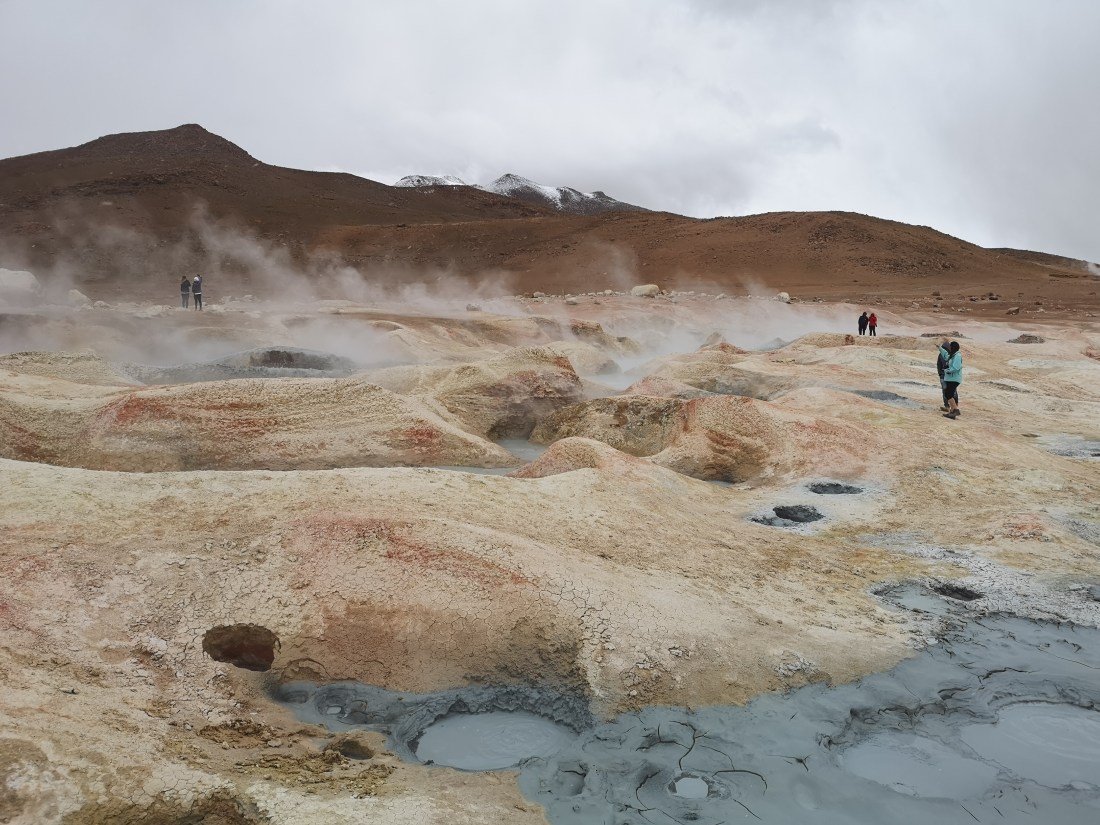
After the geysers we continued our trip to one more lake with pink flamingos and llamas. By this point in the afternoon the temperature had dropped significantly.
At the beginning of our trip, before we secured our main luggage onto the roof, we had asked if it was necessary to keep some of our warm clothes close in case it got cold later in the day. We were told that it would not be necessary and that what we had on would be sufficient.
So here we were walking around a lake dressed for about 12 – 15 deg weather, while the temp was closer to 2 according to the guide, with an icy wind blowing off the mountains which didn’t help matters.
The father of the Aussies in the other vehicle, who had overheard the discussion about warm clothes at the beginning of the day, was wondering around in shorts and flip flops!
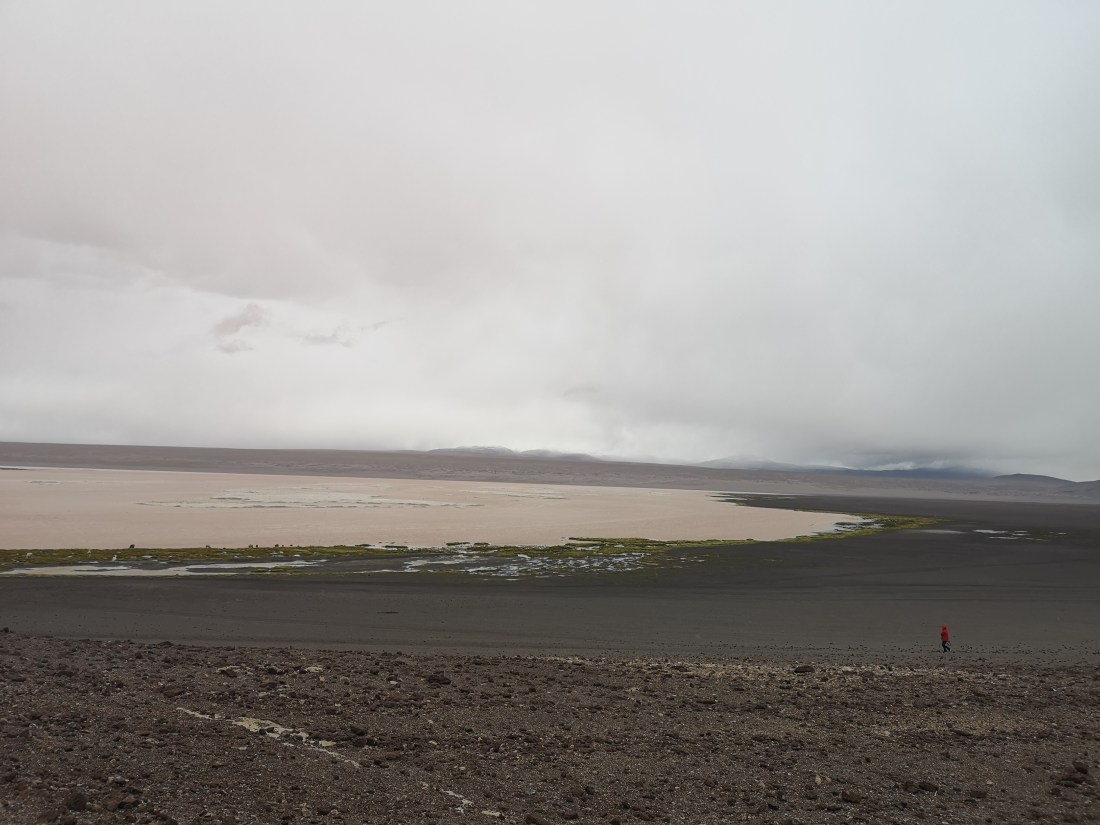
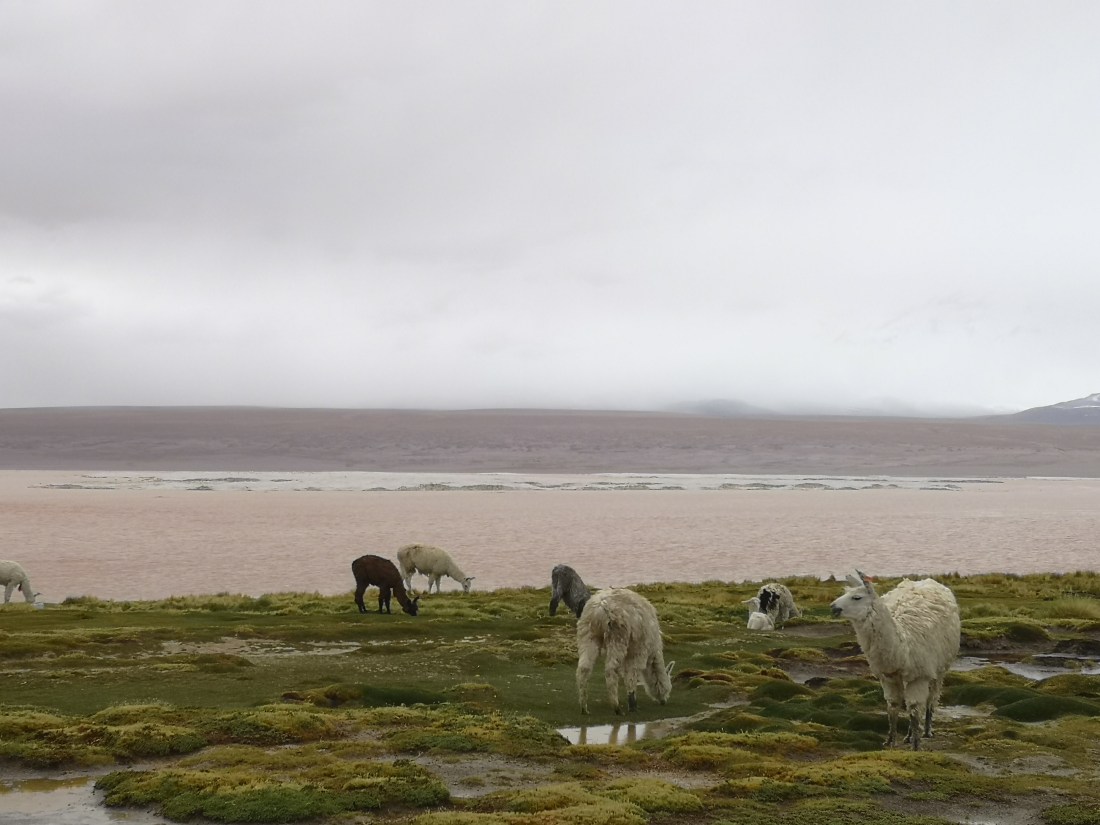
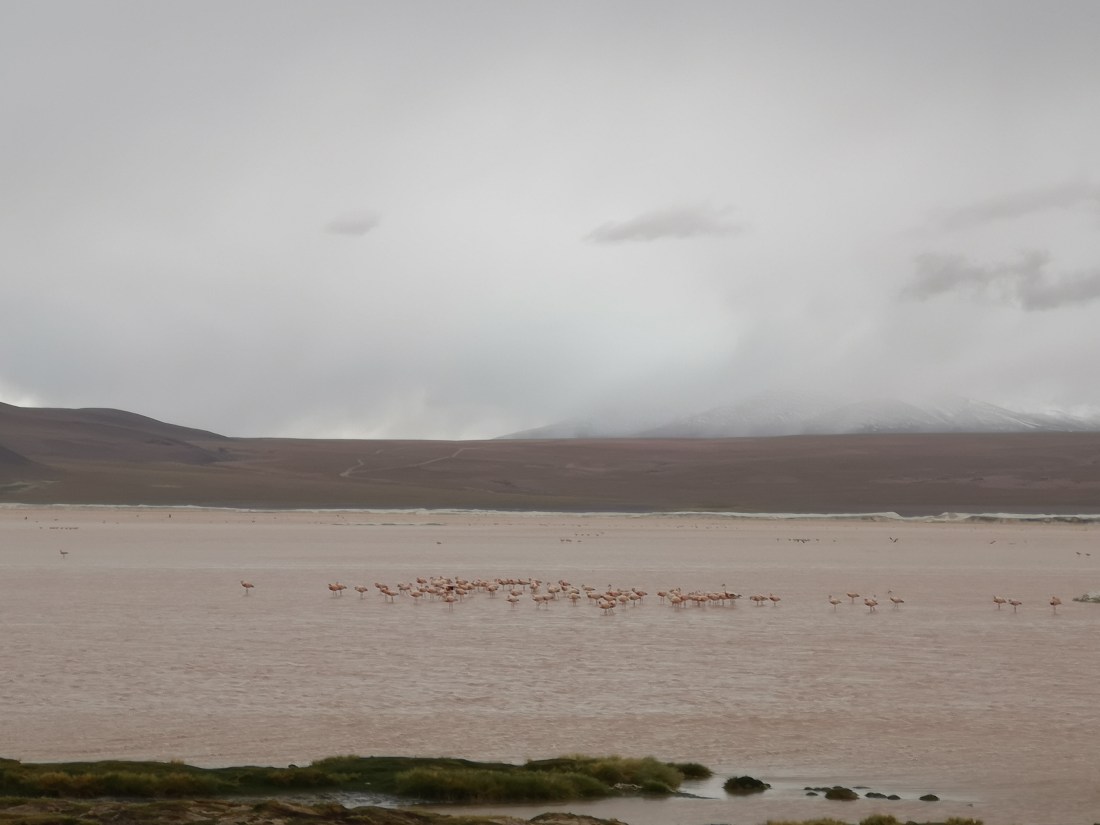
After about 15-20min walking around the lake we were back in our car and on the way to our accommodation for the first night.
The first night (and third, as it turns out) was spent in a little town/village called Villa Mar, which really is in the middle of nowhere. The sole income for this town is the tourists that pass through on their trips into the Atacama.
As was to be expected, the accommodation was very basic, but there was tea/coffee, hot food, warm showers (allegedly, and at an additional cost which had not previously been mentioned) and beds.
The accommodation also had flushing toilets connected to a working plumbing system which, as it turns out, is fairly rare in Bolivia. Most bathrooms have a big drum standing in them, filled with water. There is then a smaller bucket that you use to either pour water into the cistern and then flush as usual, or directly into the bowl as if the toilet was being flushed. Needless to say, we’ve seen some things on our trip.
The local cuisine seems to be a starter of vegetable soup (sometimes with chicken pieces added) followed by a main course of rice and some meat. This night we had some sort of chop/steak that was cut super thin and possibly boiled. It didn’t actually taste too bad. No one was quite sure what it was, but the guide confirmed the following day that it was beef.
We all had an early night in order to be fresh for the next day’s adventures (and partly because it was too cold to really be doing anything else).
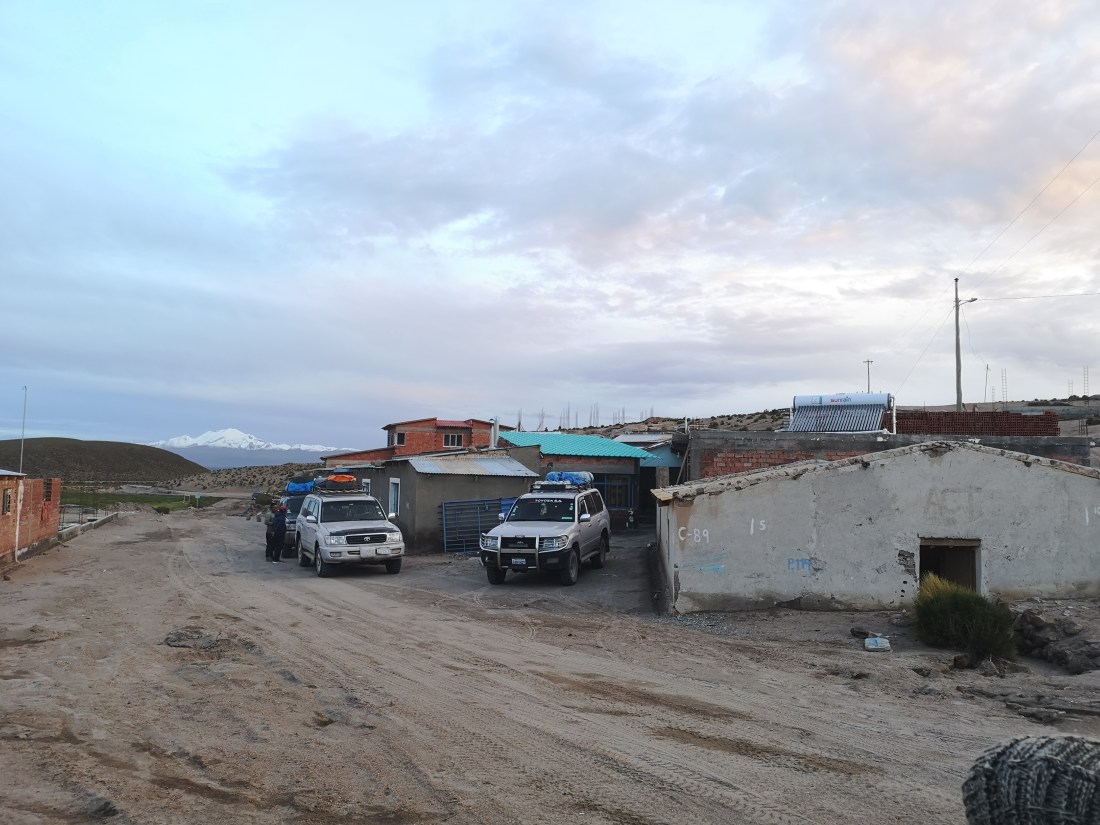
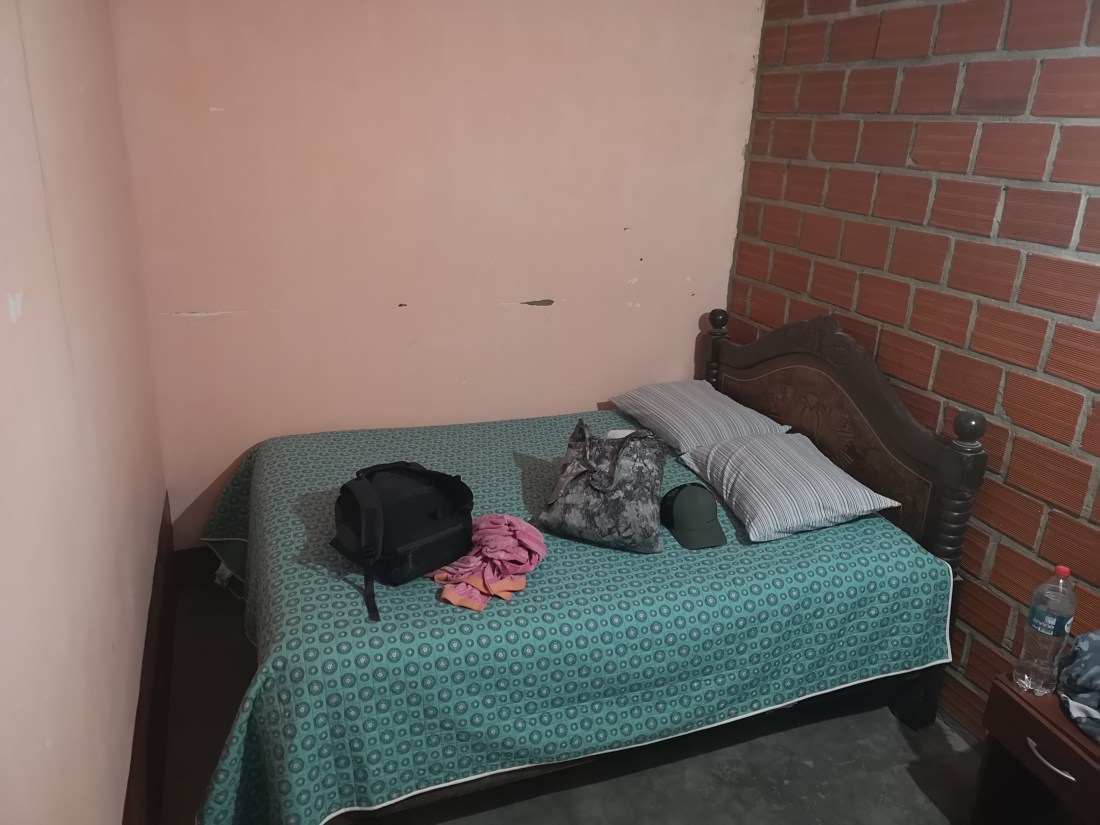
The following day we woke at about 8:00 for breakfast and to pack the vehicle.
Due to the recent heavy rains that had fallen there were some areas along the usual route that were inaccessible and some attractions that had been closed. This meant that instead of a circular route through the desert, we would be following a single route up into the desert and then returning along the same route. Day 2 was most affected by this.
We spent the morning driving though Valle de Rocas, which is an area of valleys with volcanic rock formations. There are numerous dormant/extinct volcanos in the area and it was interesting to see how the valleys have been eroded in different ways to create some of the different looking rock formations (It also helped that the aussie travelling in the other group was a science teacher, who had also studied geology, so he could explain all of this).
While you are standing in these foreign landscapes it is crazy to think that, apart from tourism, there is almost no reason for people to pass through some of these harsh, inhospitable areas. Any small villages and people that you might pass along the way live in such isolation from what we know as ‘civilisation’.
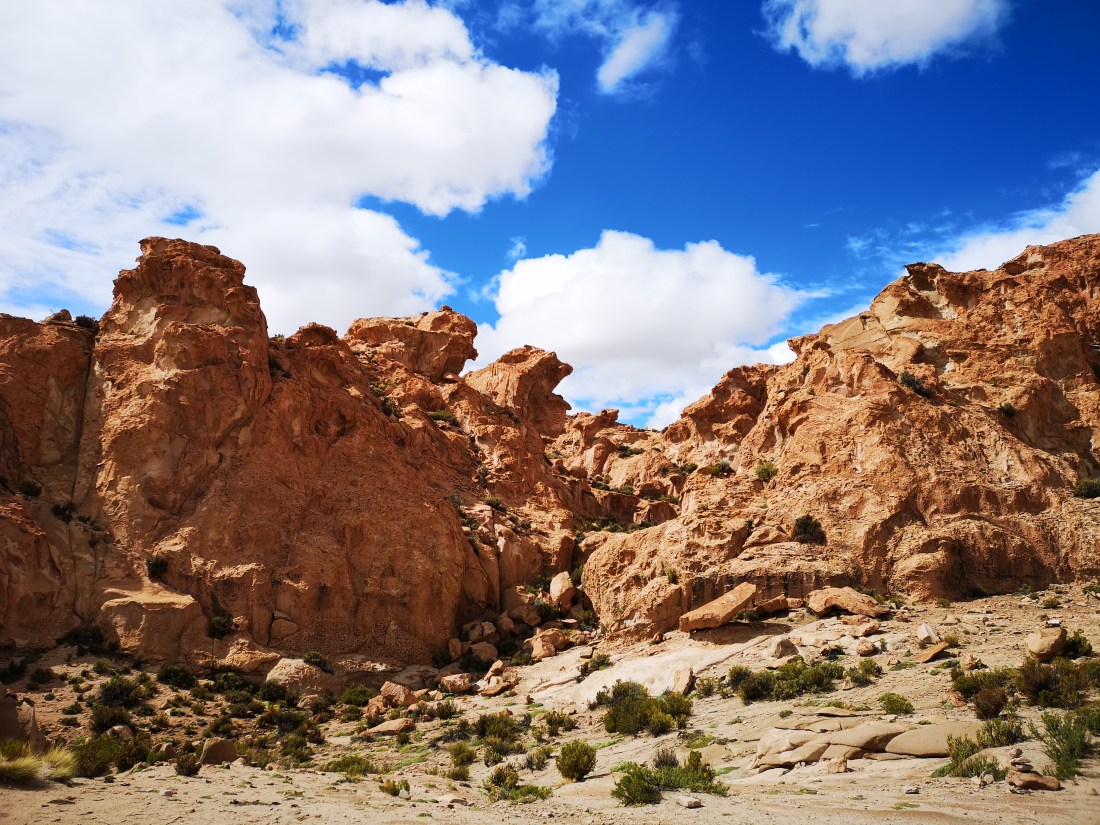
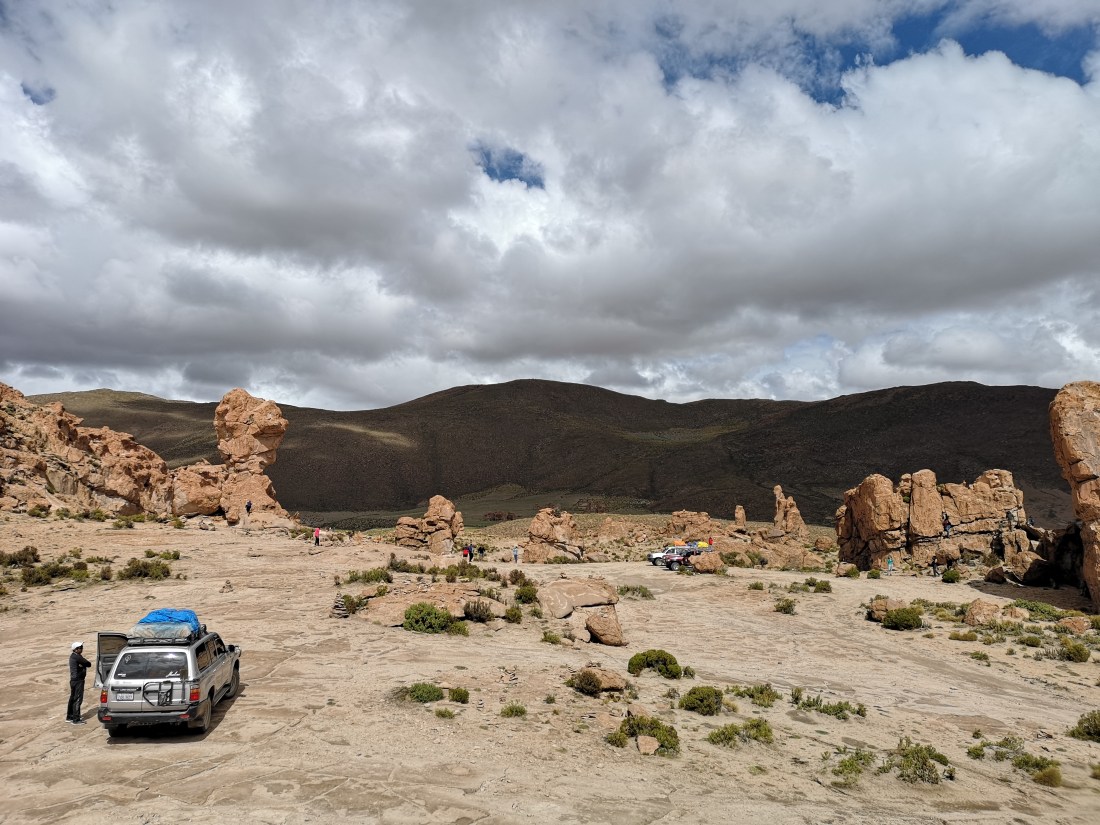
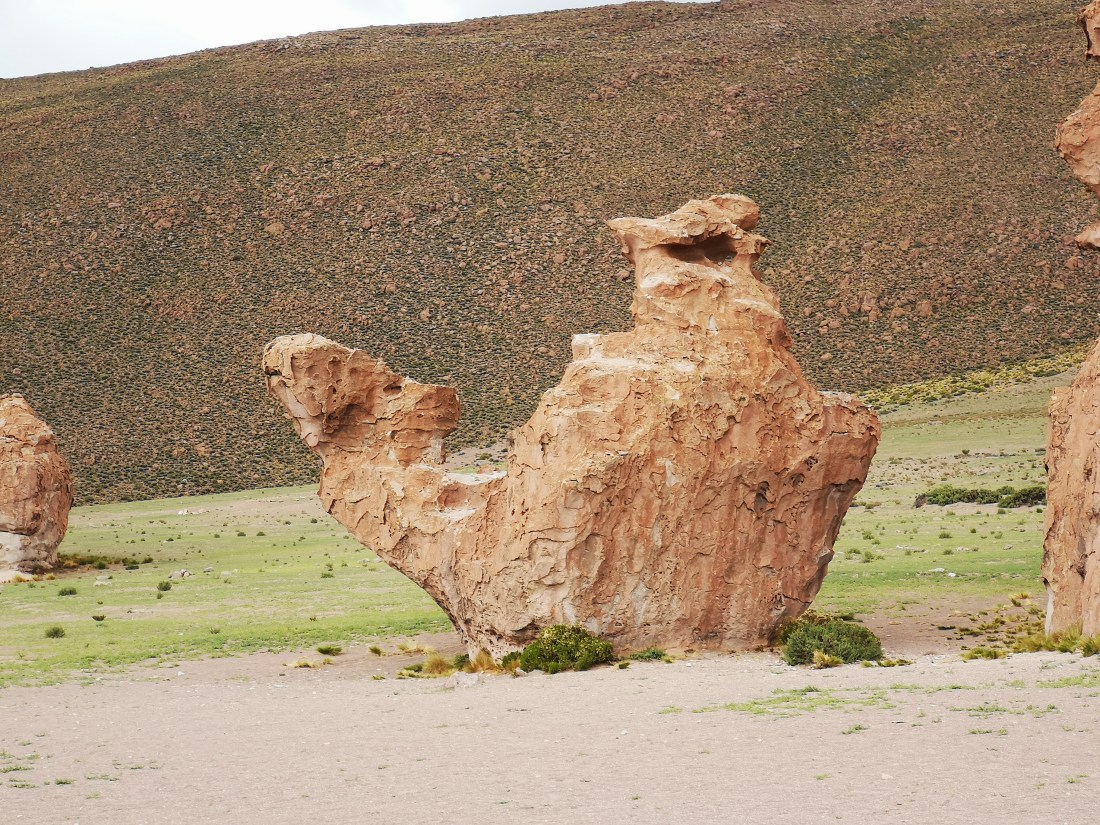
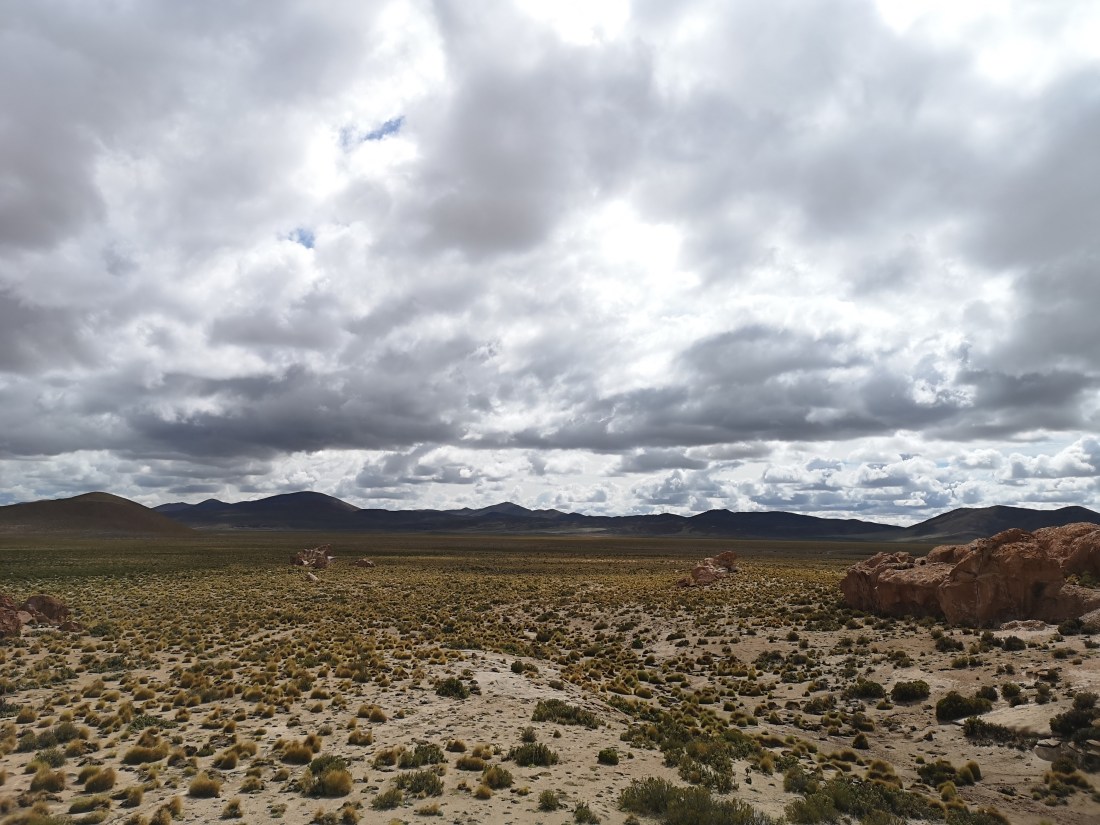
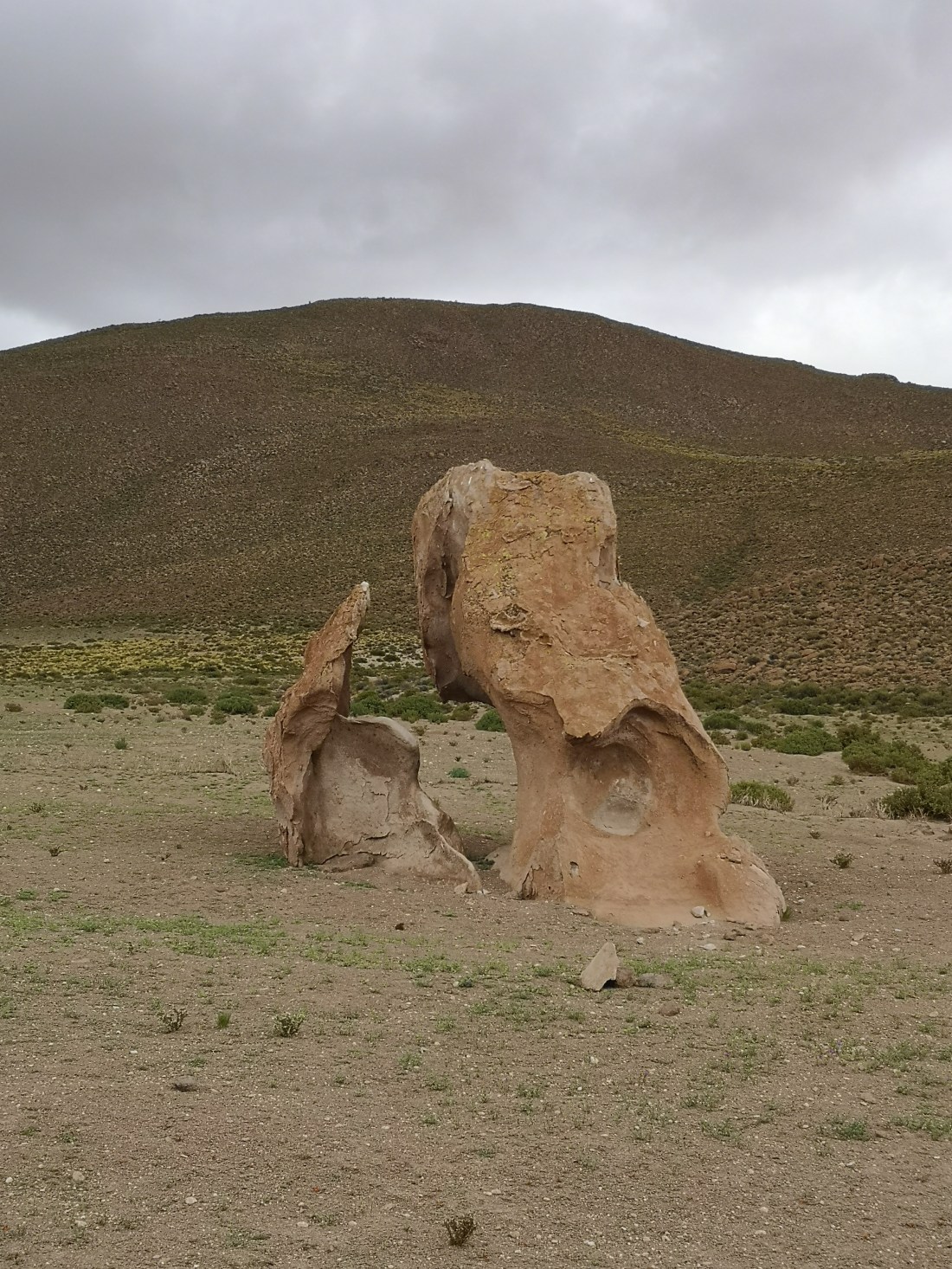
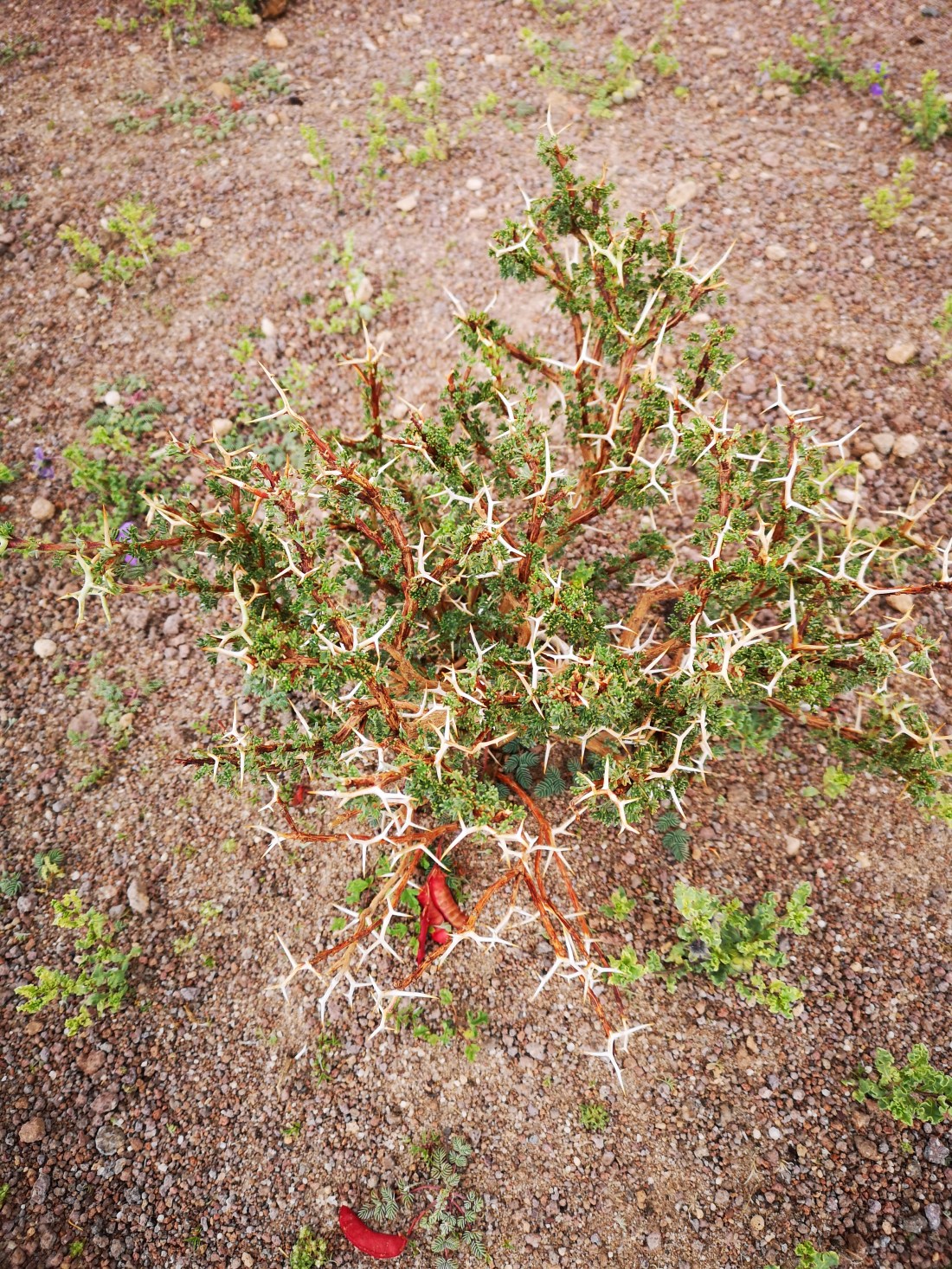
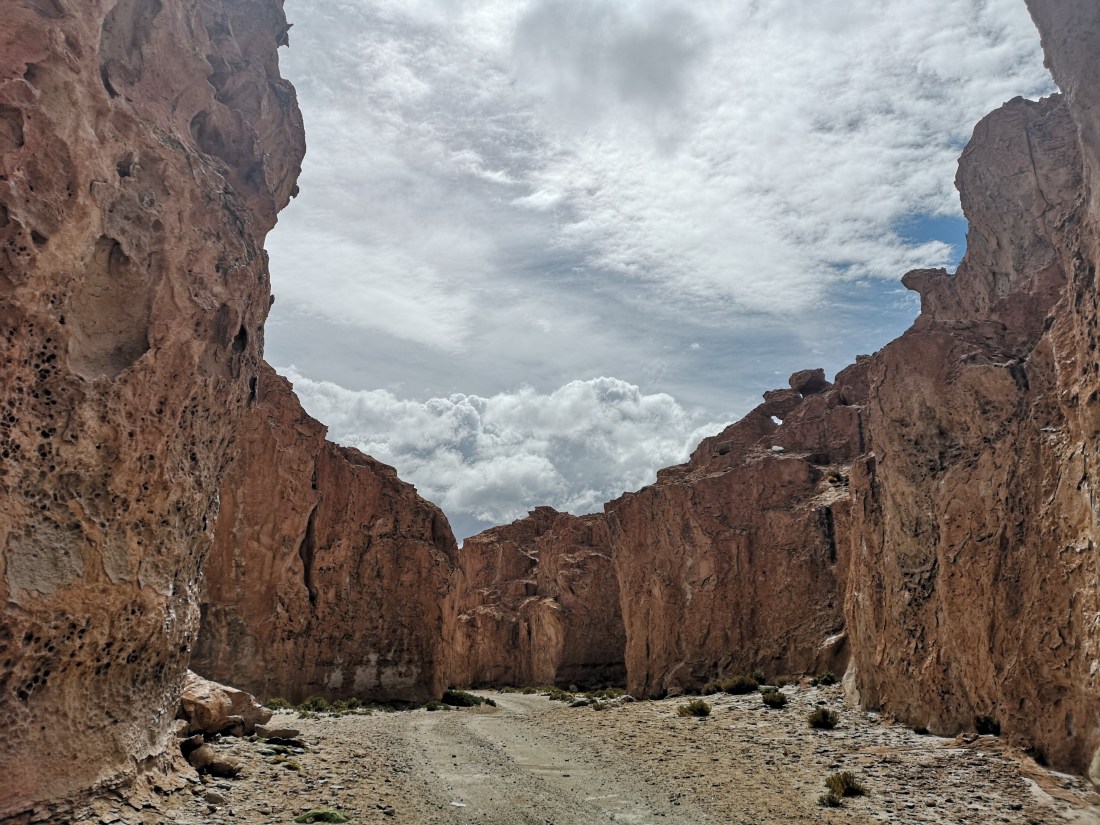
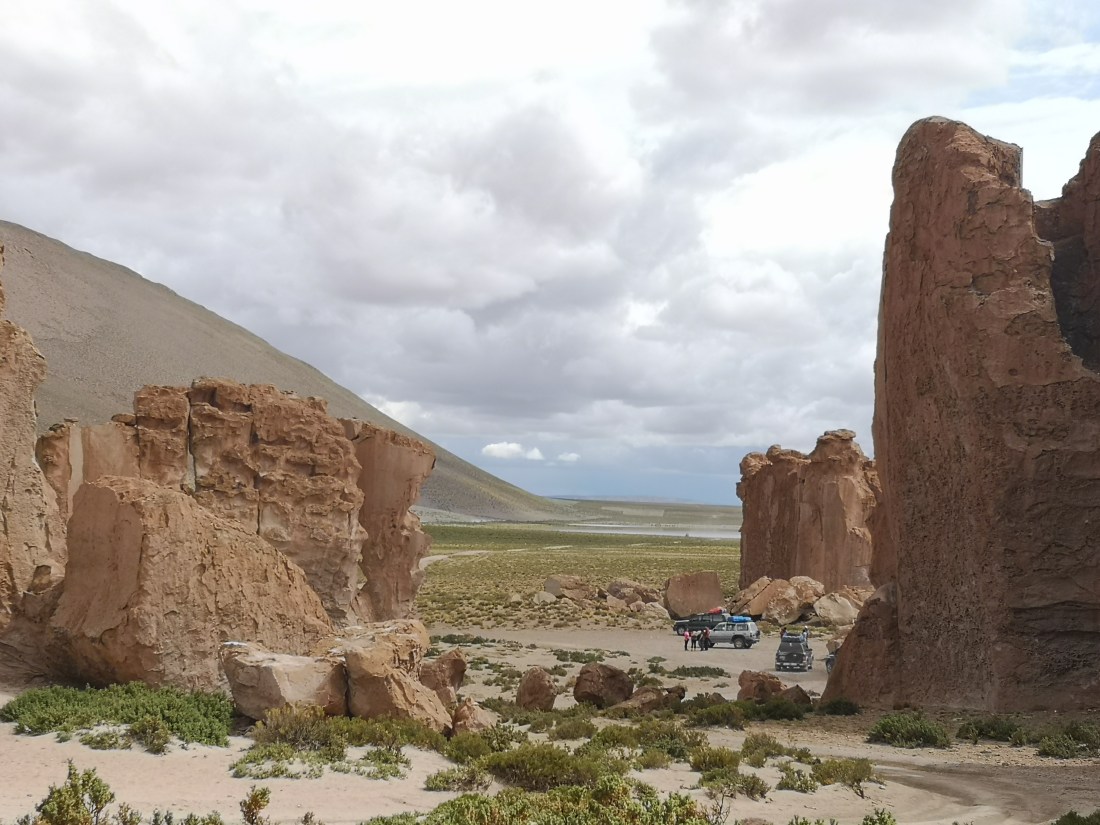
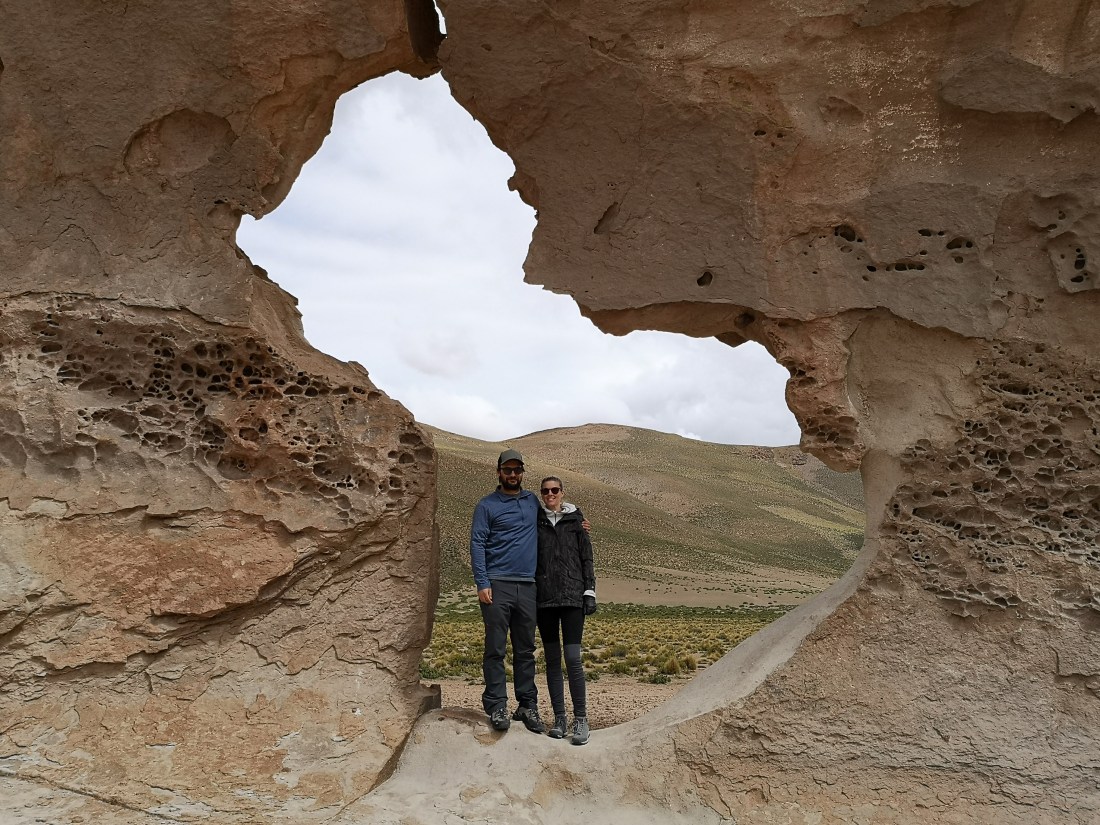
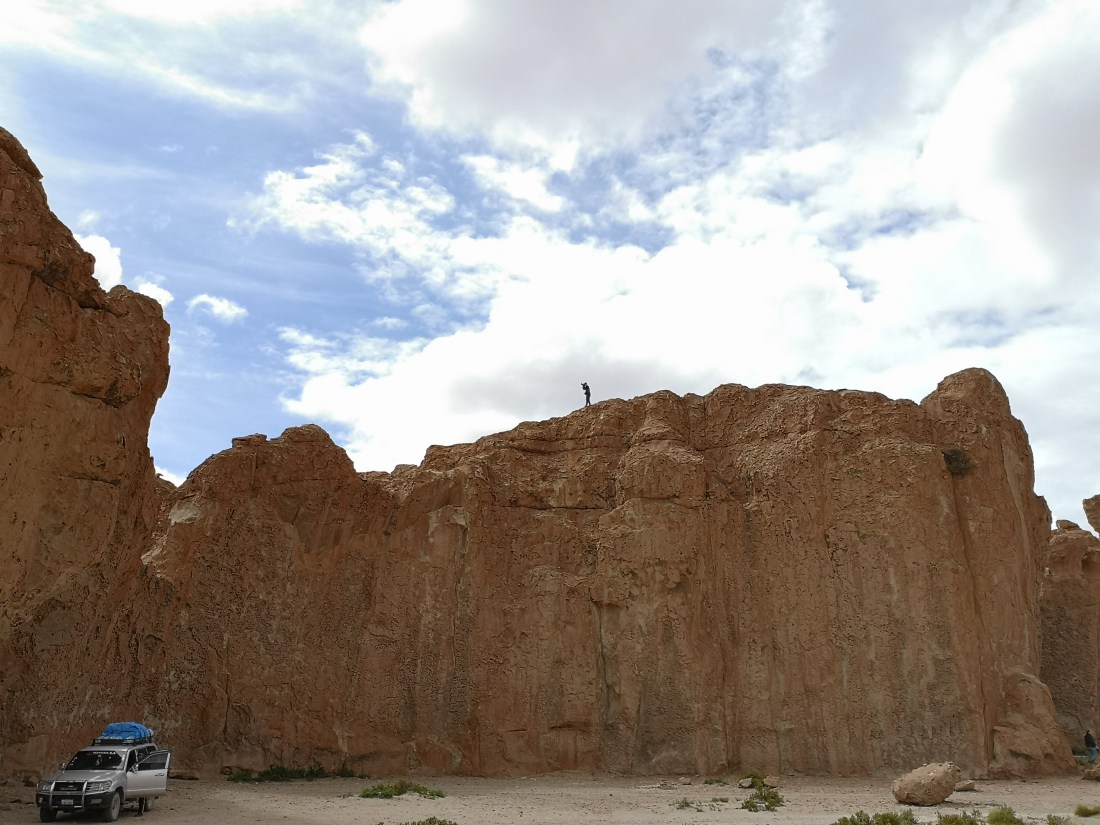
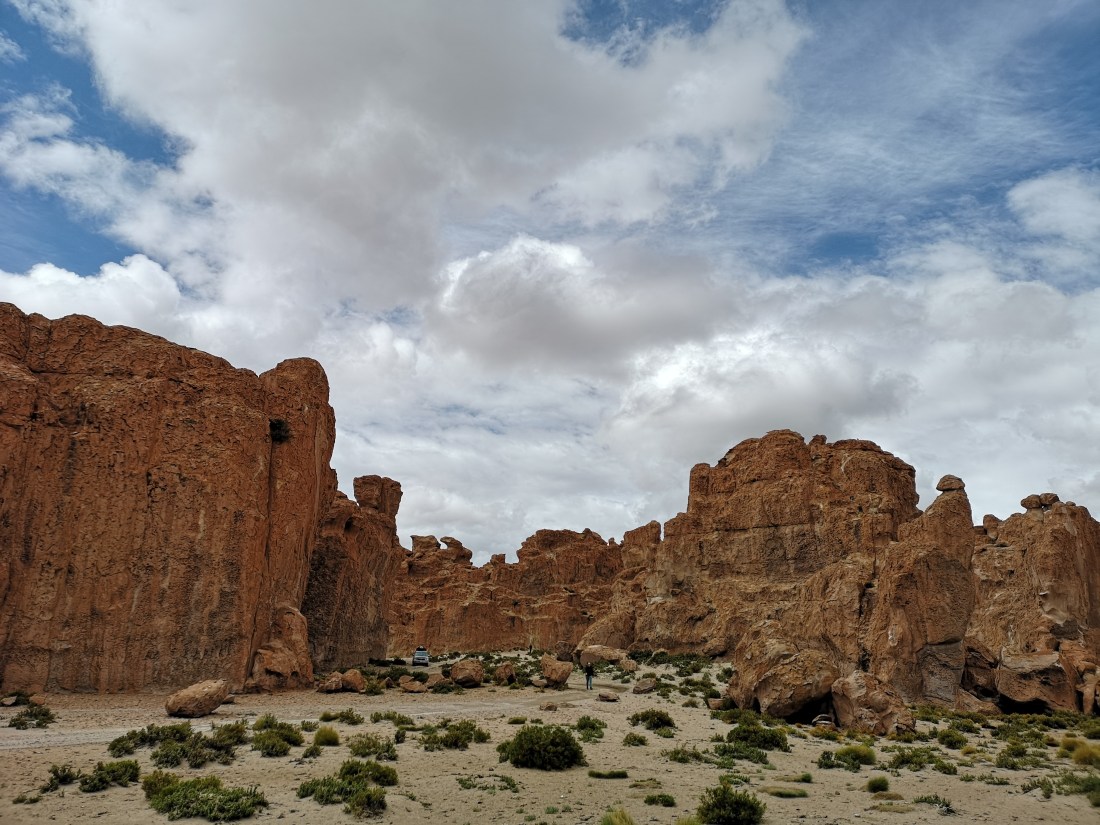
After the volcanic valleys we stopped for lunch. This time it was similar to the night before (soup, rice and meat), except that we had llama chops/steaks. It didn’t taste bad, but also wasn’t anything out of the ordinary.
After lunch we walked up a close-by valley to a small lake. It looked so different from all the others we had seen on the trip – a bit like an oasis in comparison. On the walk there there was a flooded grass plain with little streams flowing, llamas all around grazing with their young ones, strange rock rabbit creatures with long tails, ducks and other water birds. It was really nice to see.
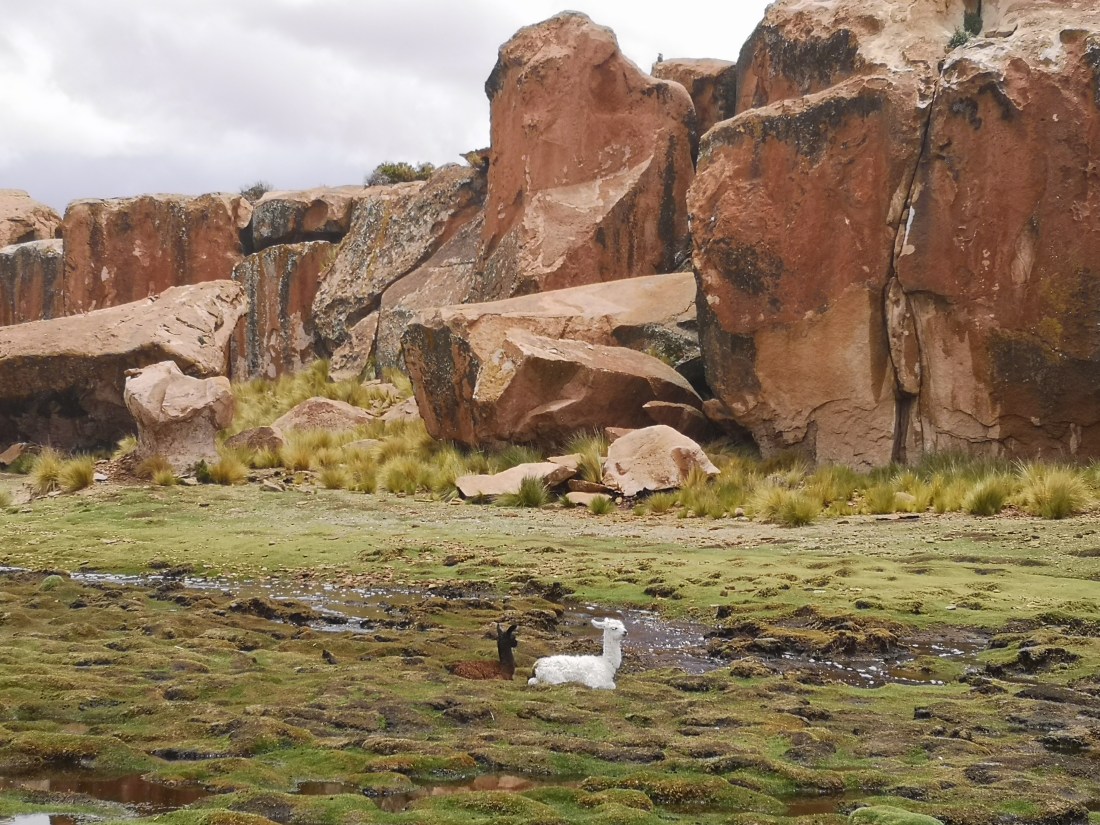
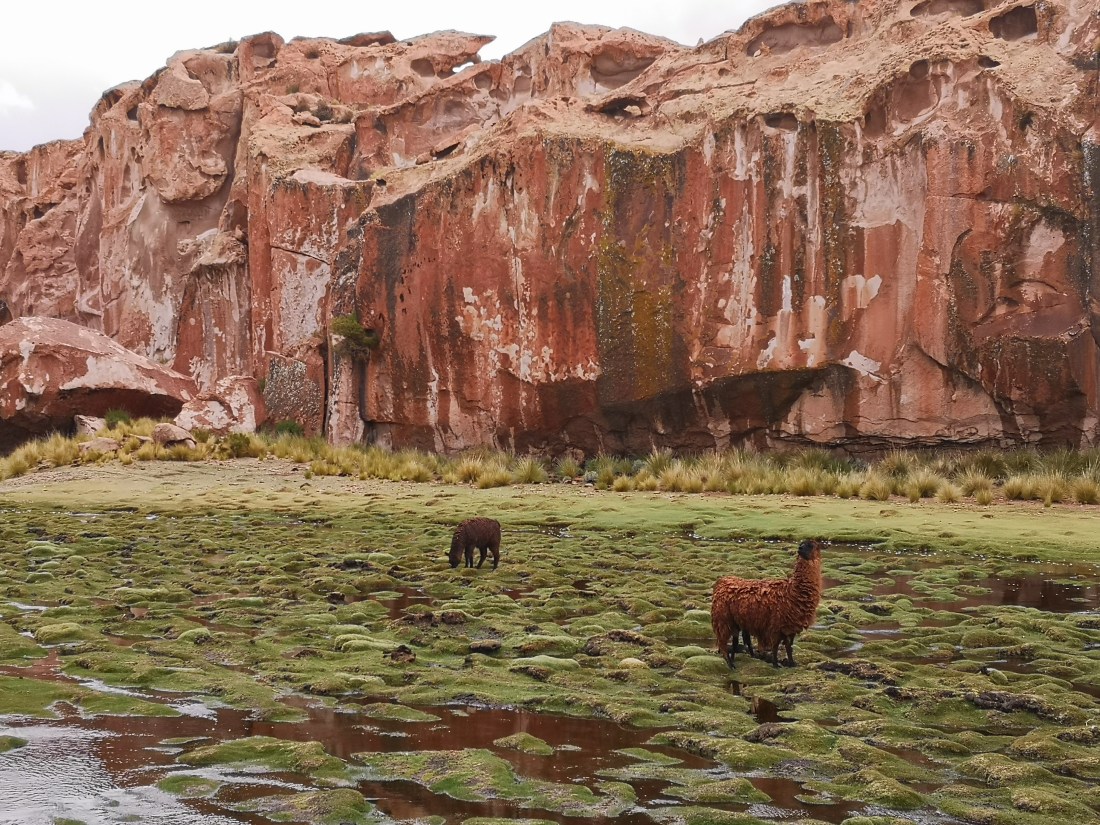
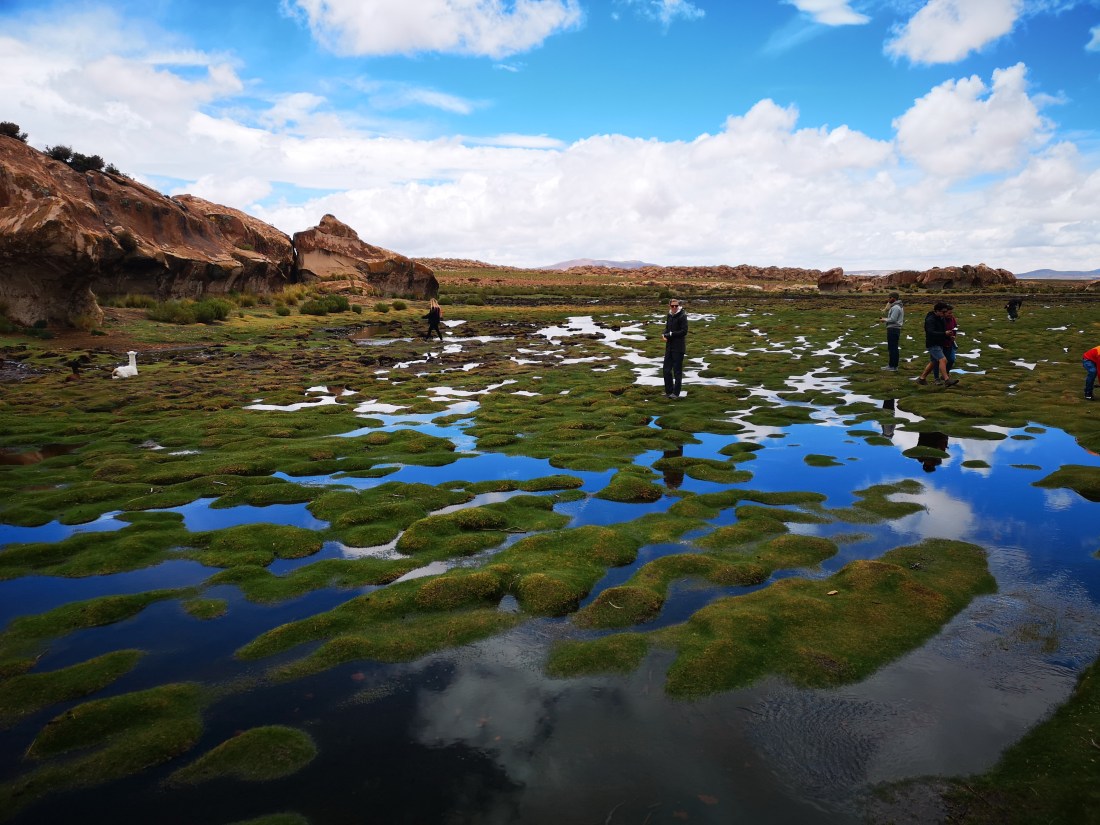
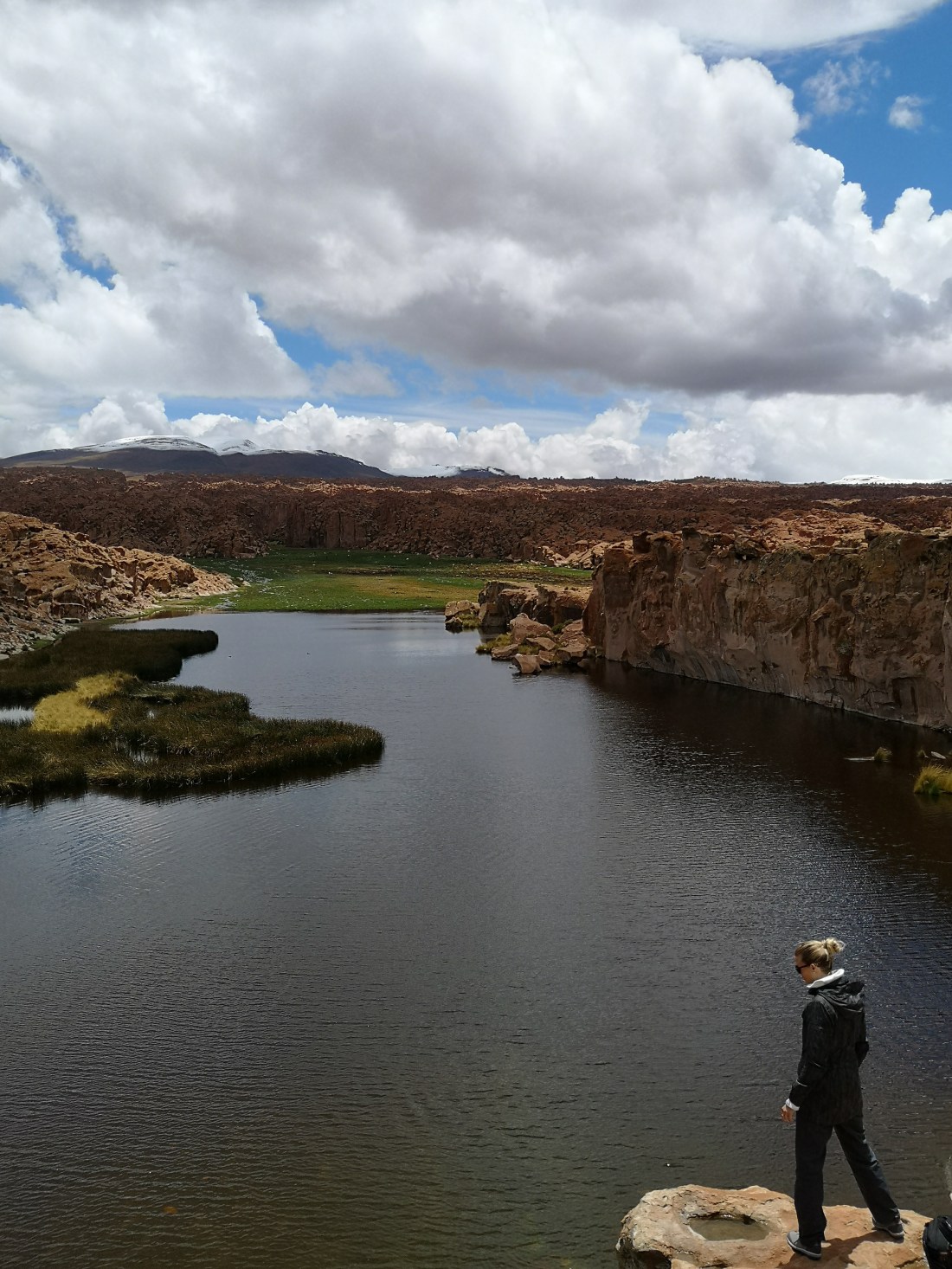
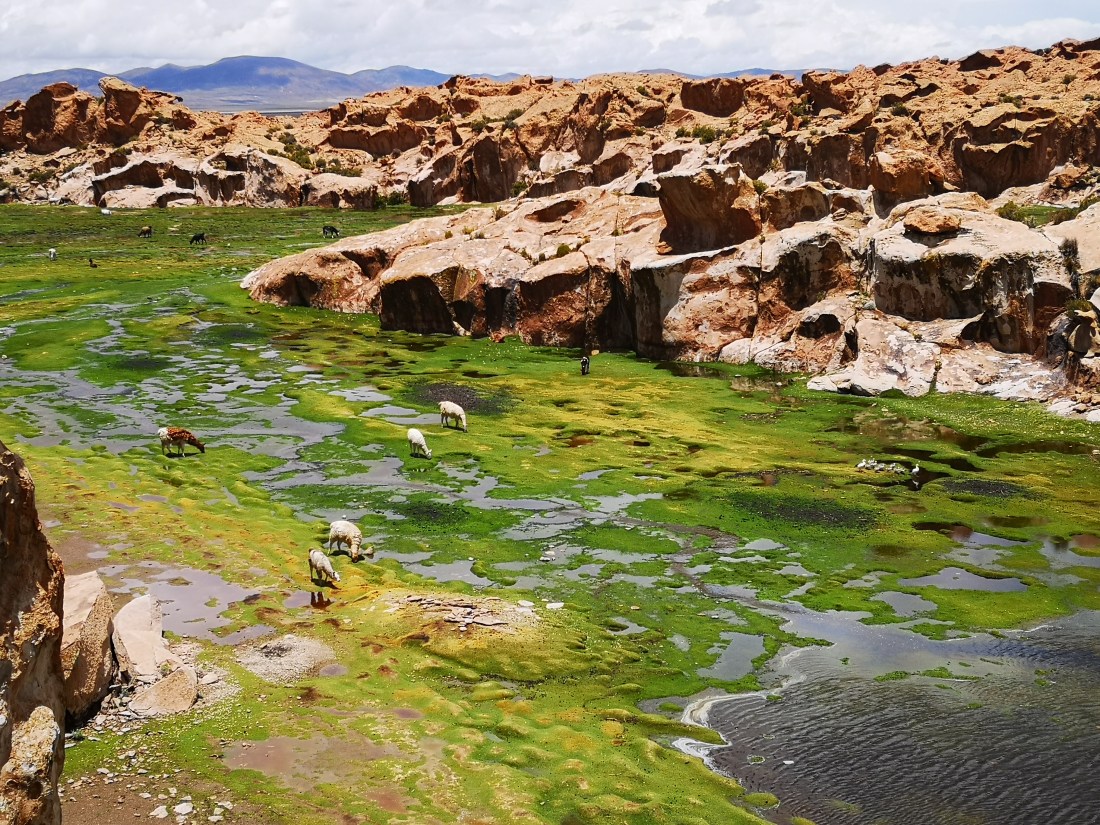
After about an hour at this lake we had a 2 or 3 hour drive to our accommodation for the night, with a few small stops along the way.
The second night was spent in the town of Colchina. Colchina is situated on the edge of the famous Bolivian Salt flats of Uyuni, and the house we stayed in was built almost entirely from salt. The salt bed forms compacted layers which are cut into blocks and used similar to normal bricks/blocks. The passage of the guesthouse was loose salt grains and seemed similar to walking on a beach just with bigger grains.
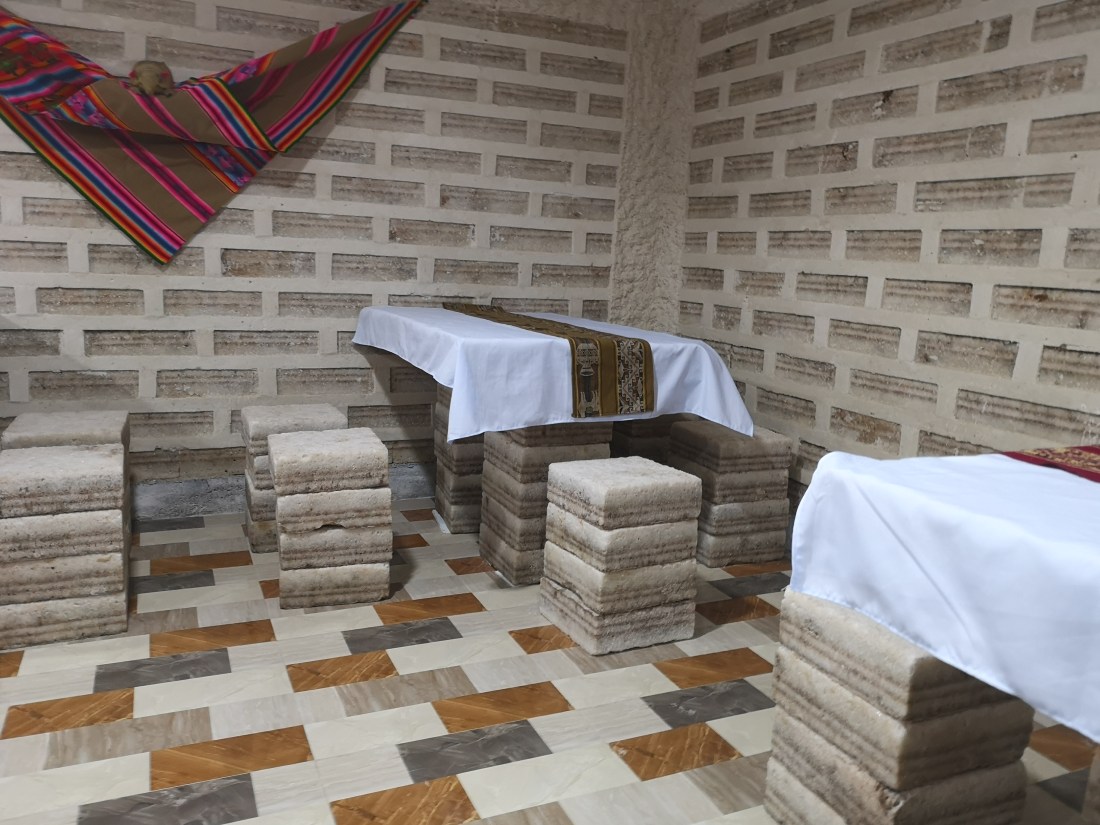
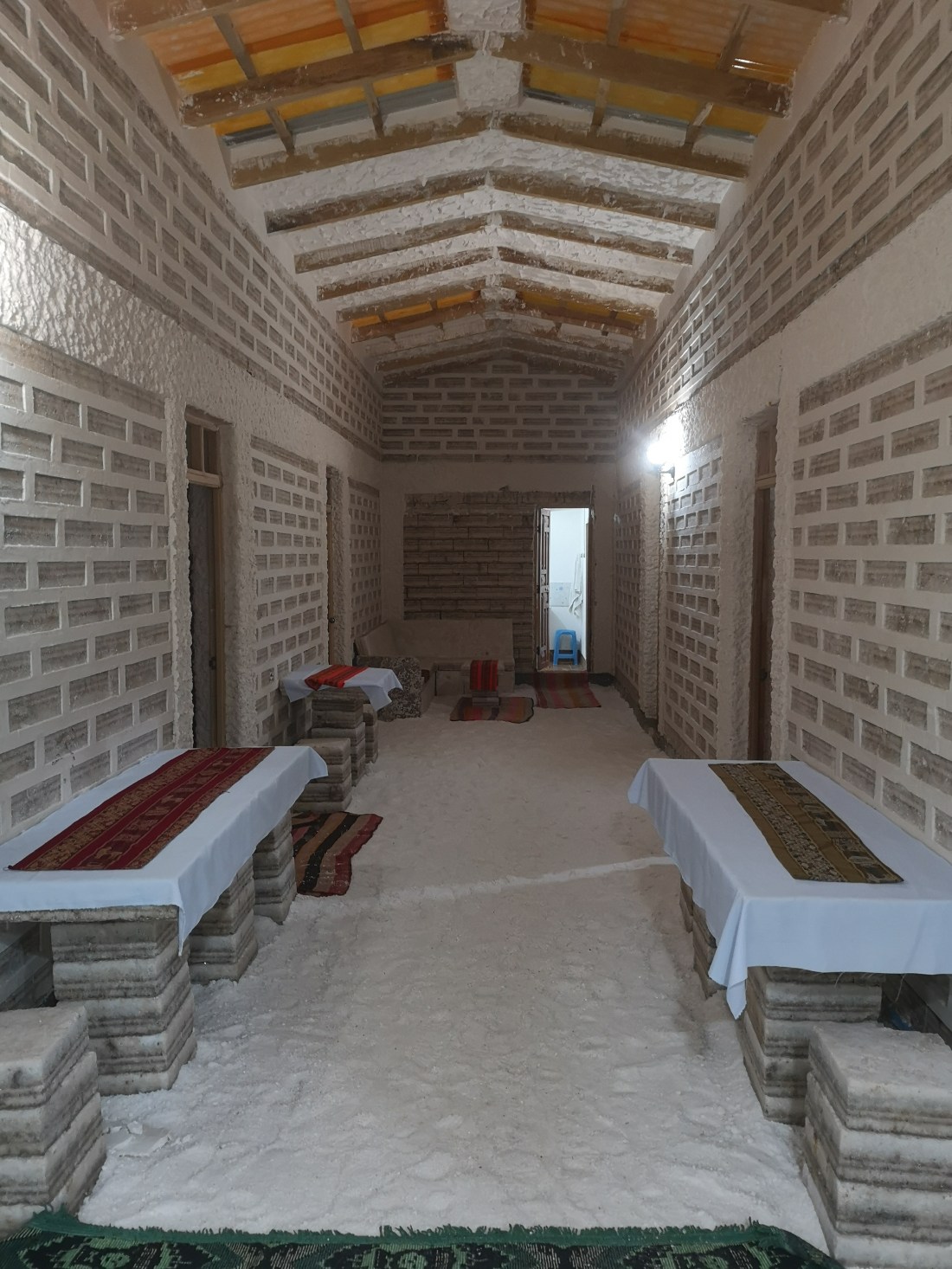
Again we had the usual menu for dinner, except that this time we had some chicken instead of beef.
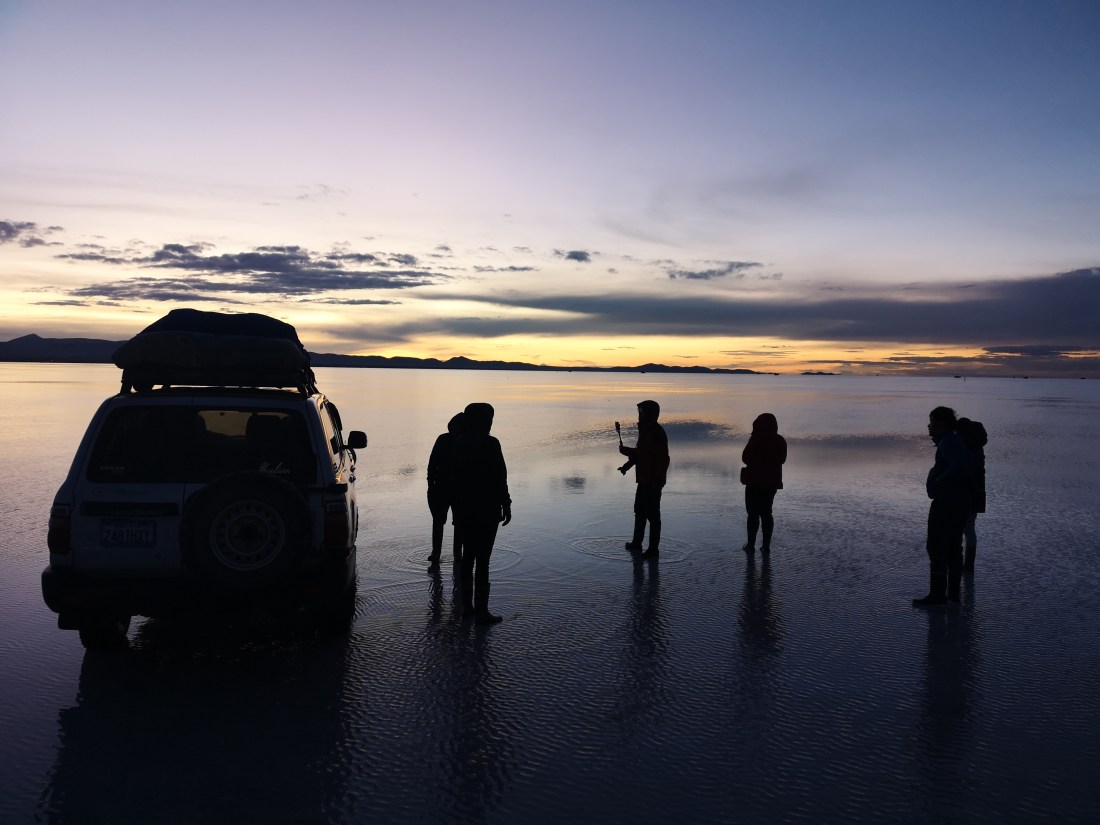
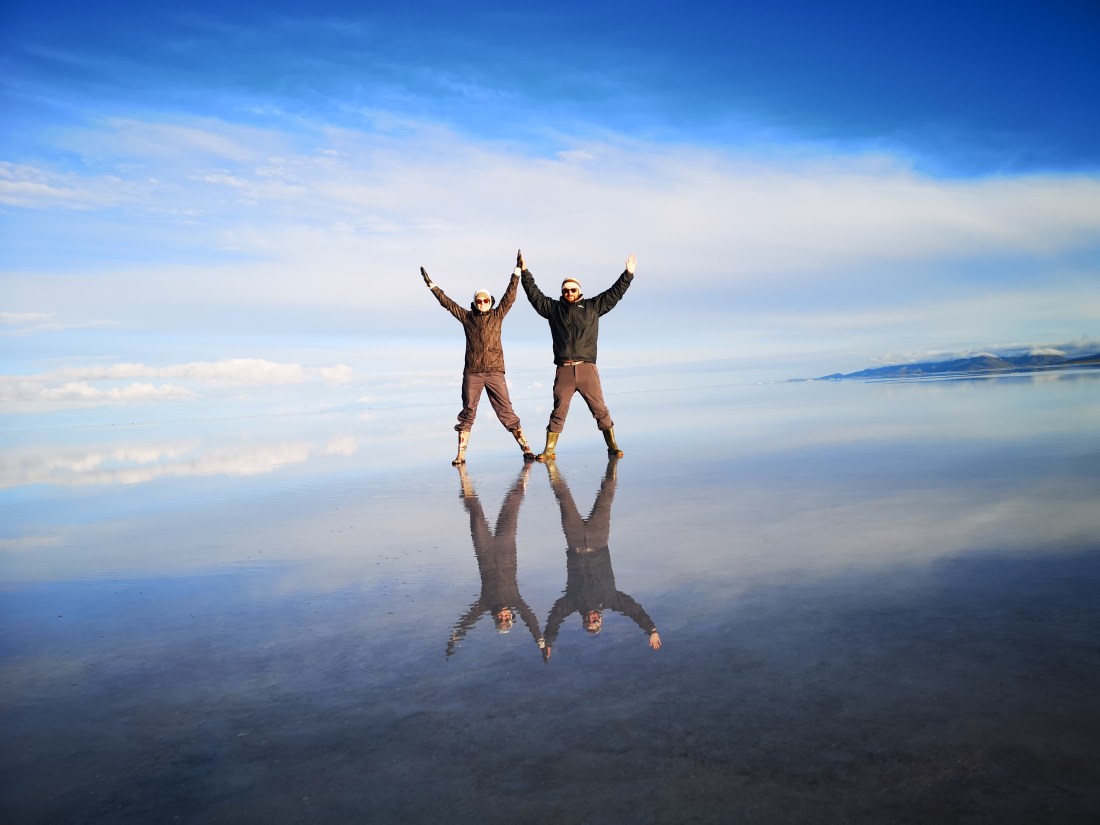
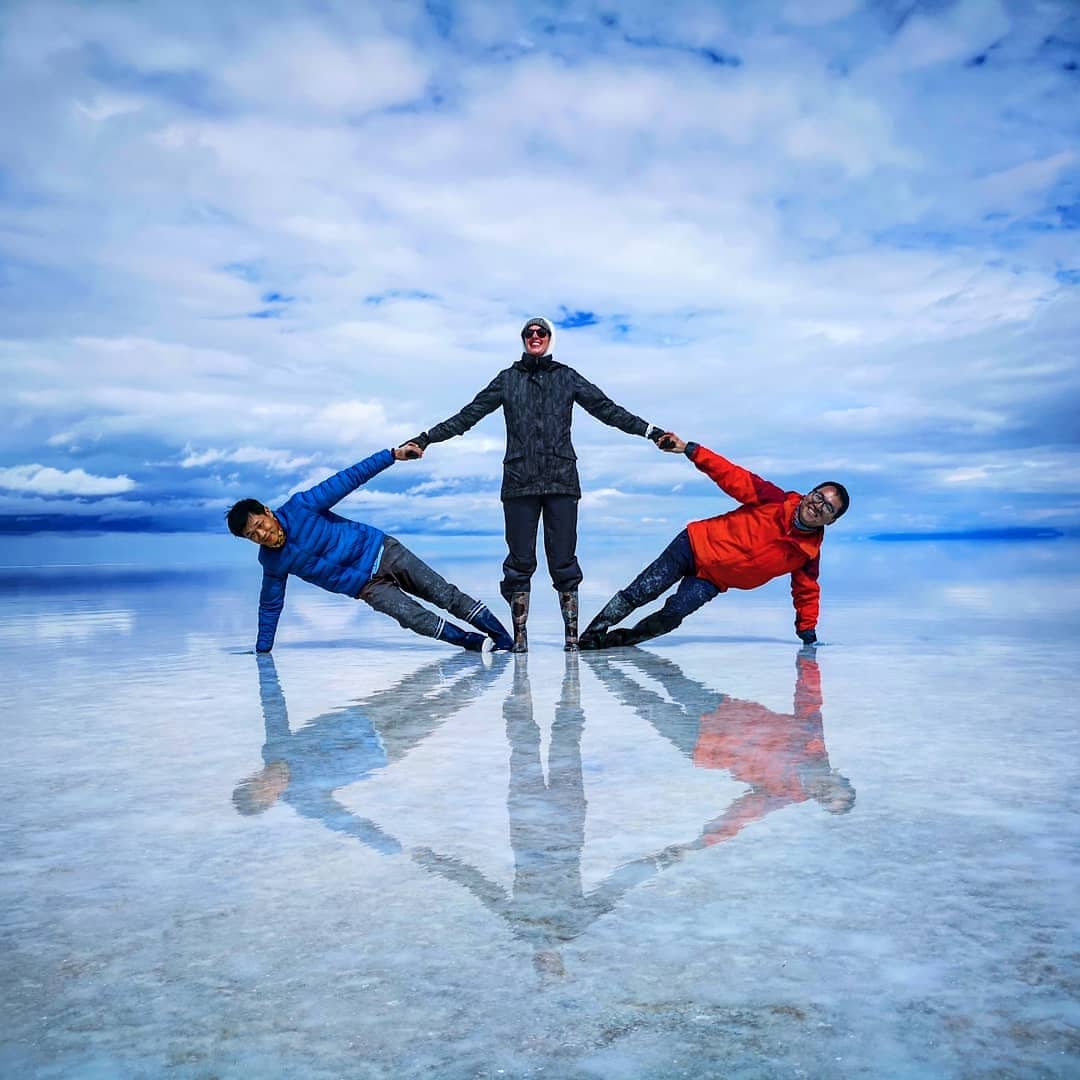
The next day we were up at 5:00 to head onto the salt flats to see the sunrise. This was expected to be the highlight of the Bolivia trip, and it didn’t disappoint.
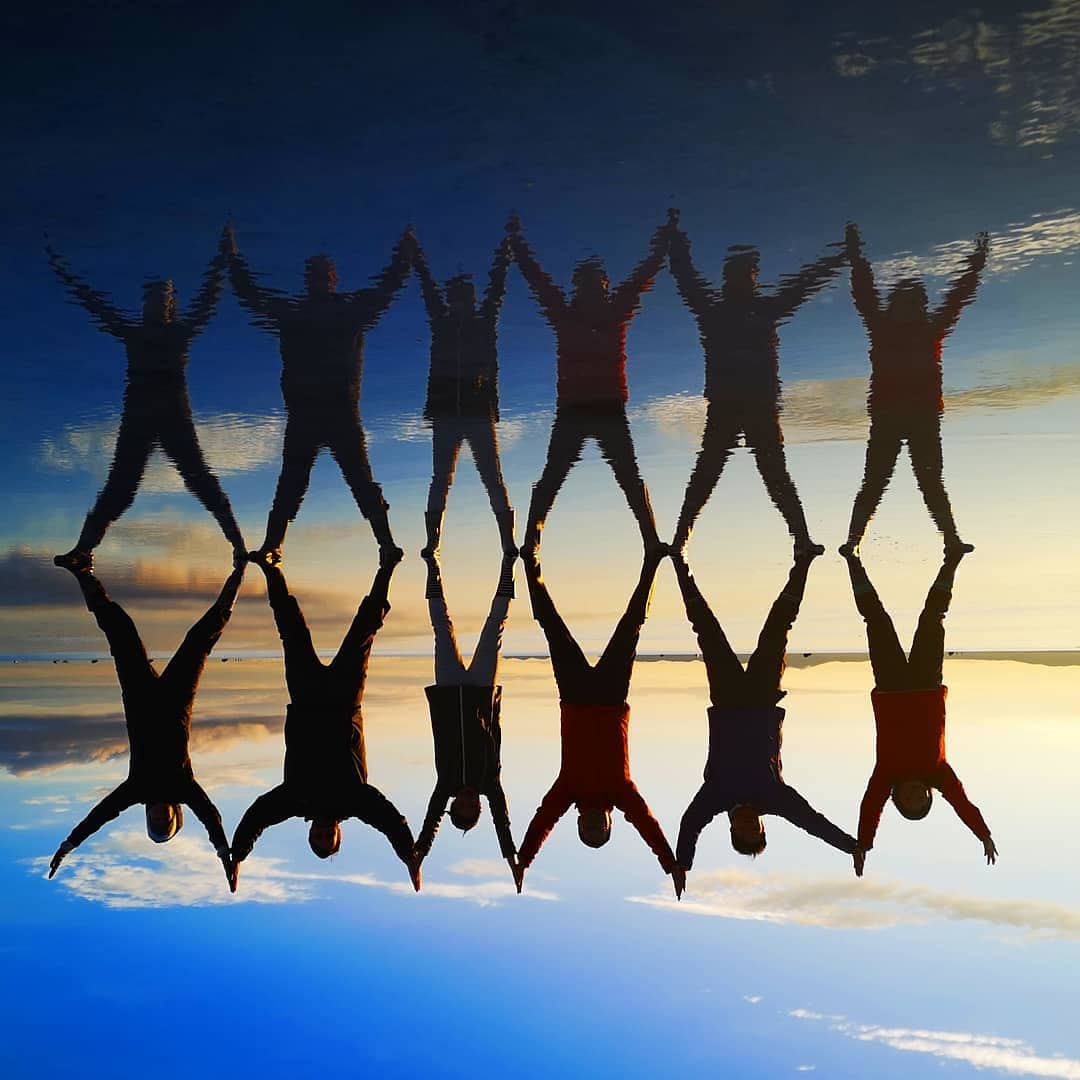
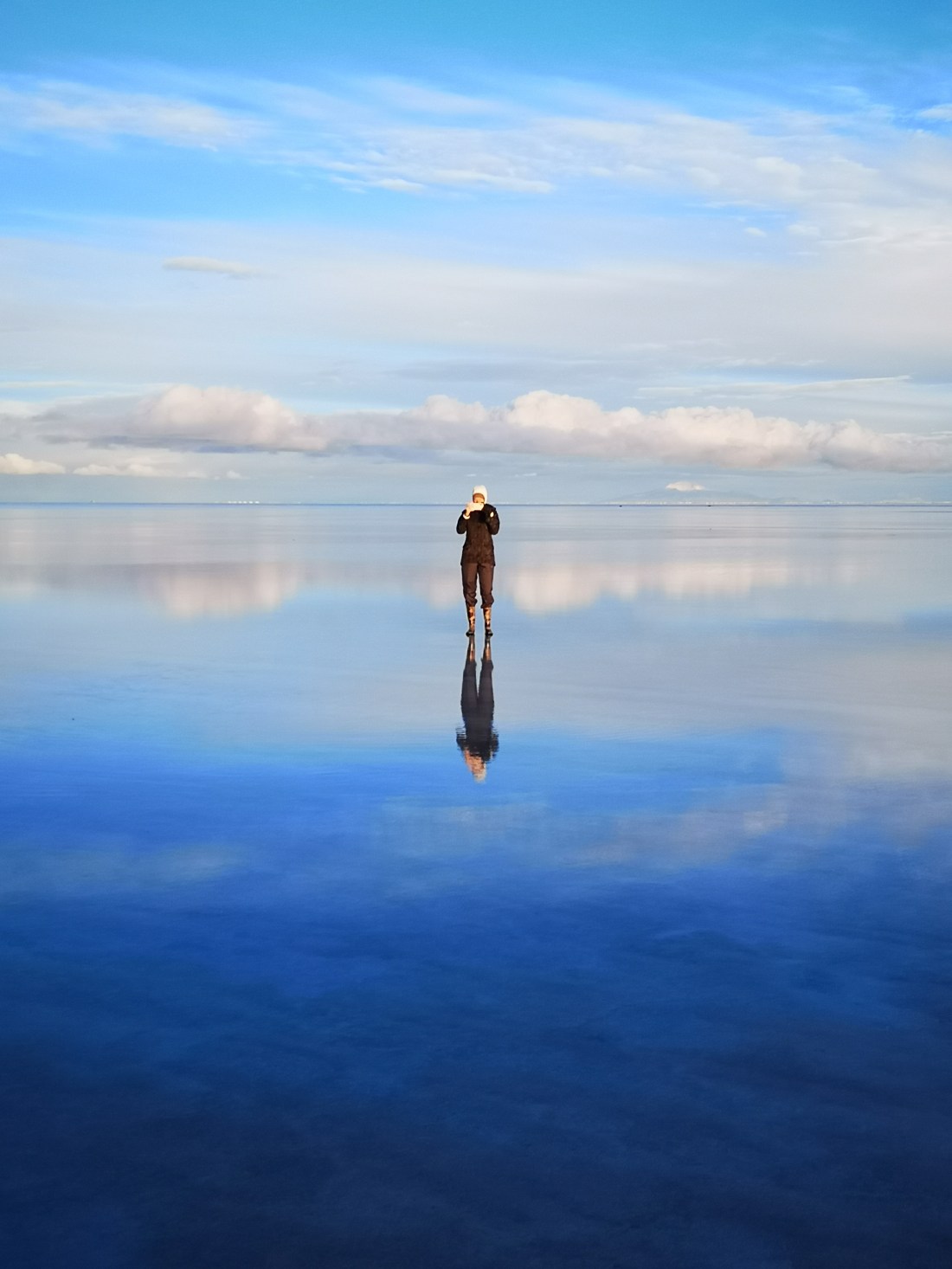
The Uyuni Salt flat is the largest Salt flat in the world and covers an area of about 11 square kilometers . As it was rainy season the flats were covered with a layer of water about 50mm deep, which creates the most amazing mirror effect.
The thickness of the salt layer is about 5 – 10m thick and easily holds the weight of vehicles.
When we arrived, just before sunrise, there was a wind blowing which made it a bit cold and also spoiled the mirror effect on the water. Fortunately, the wind died down as the sun came out and we spent the next few hours admiring the unique view and taking a few interesting photos.
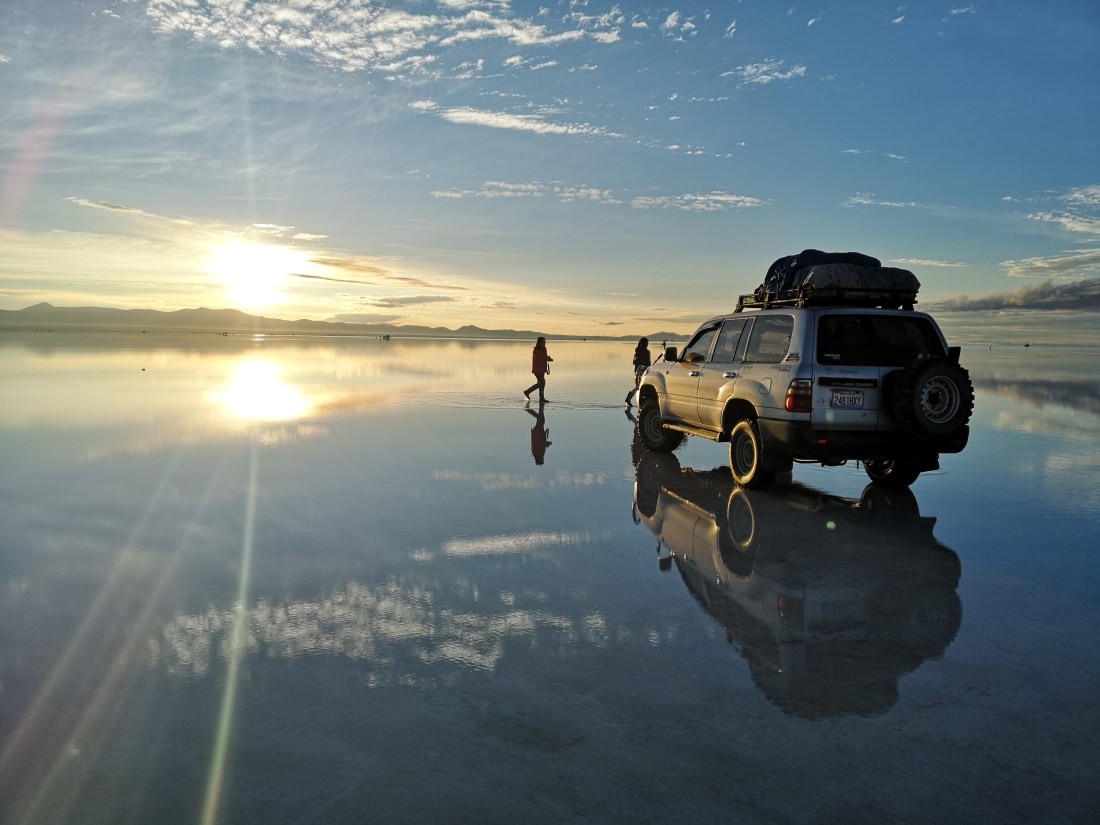
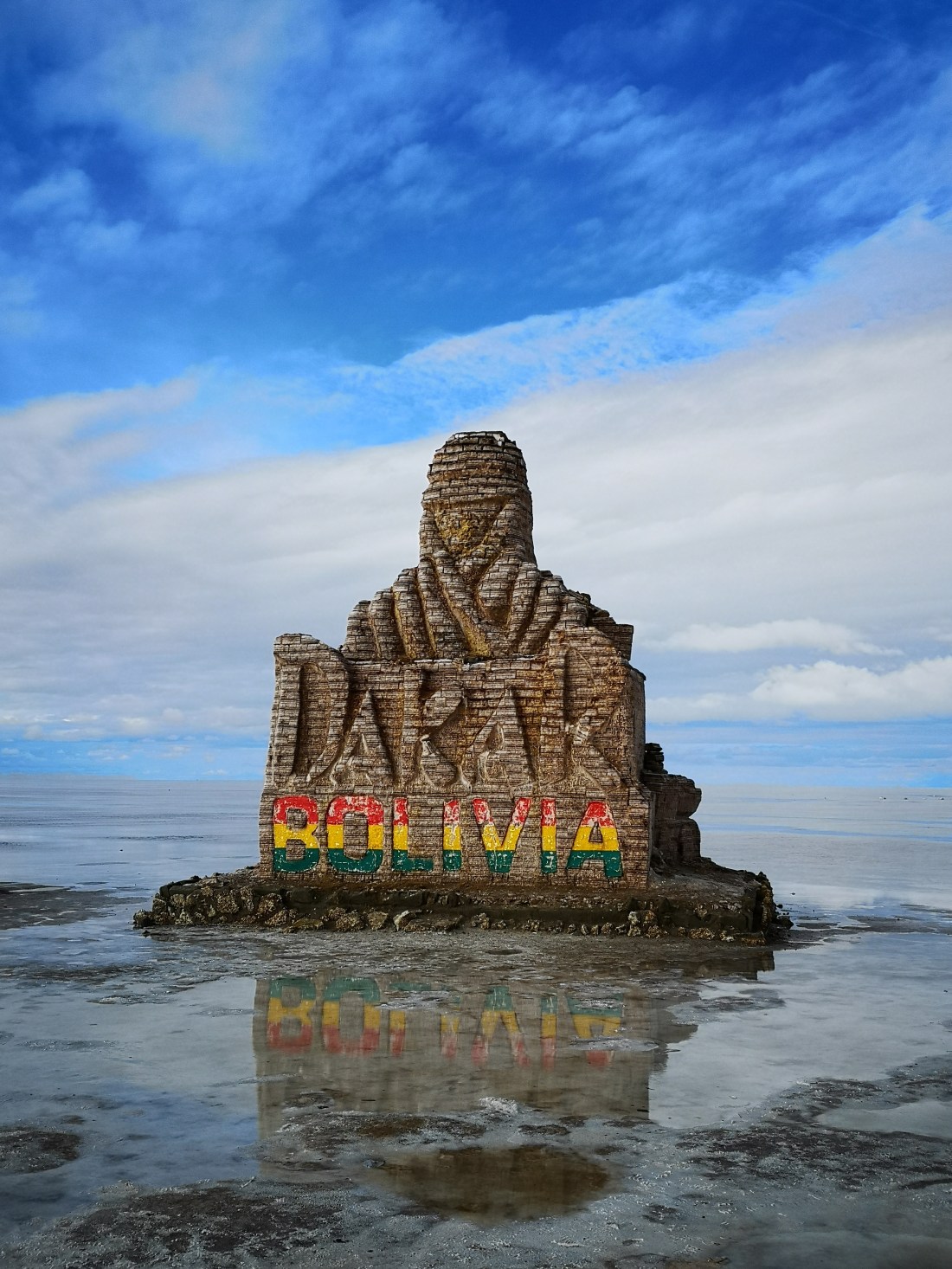
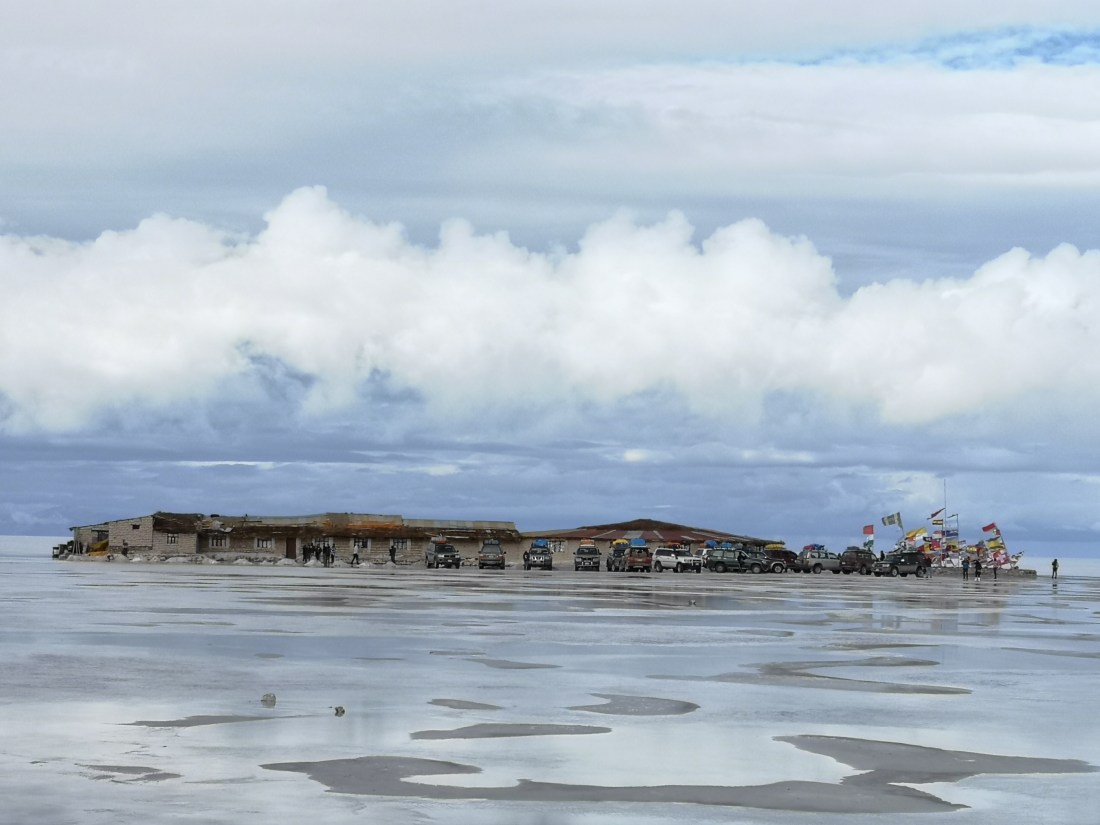
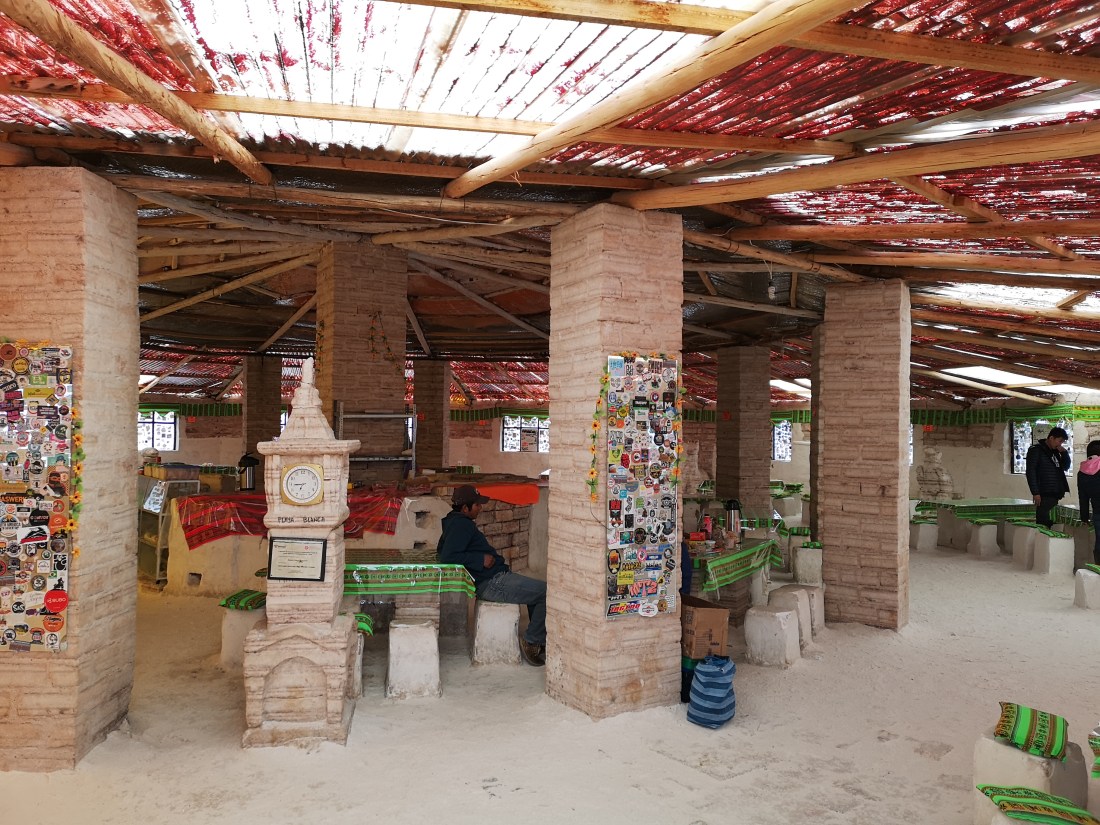
The Dakar rally, after being moved from North Africa to South America, actually passed through the town of Uyuni and the salt flat in 2016. There is a little salt hotel in the middle of the flat where we stopped for breakfast, that has a monument to the Dakar as well as many flags of the competitors.
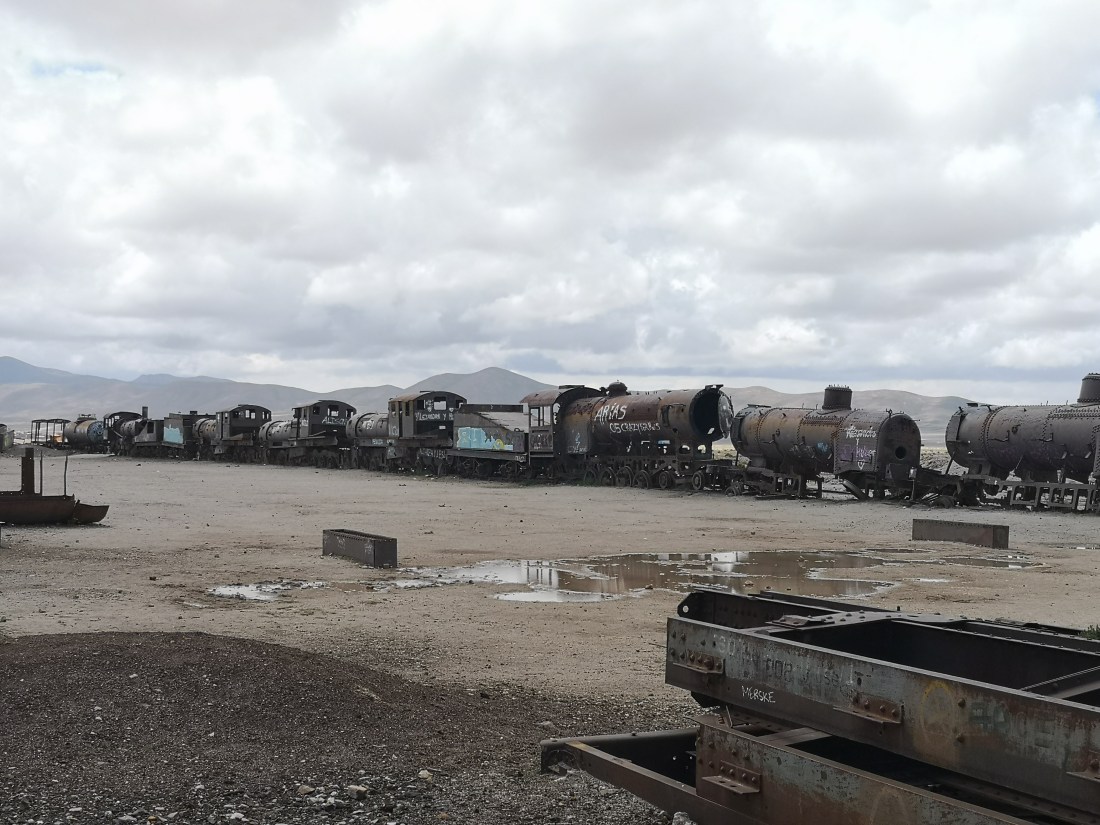
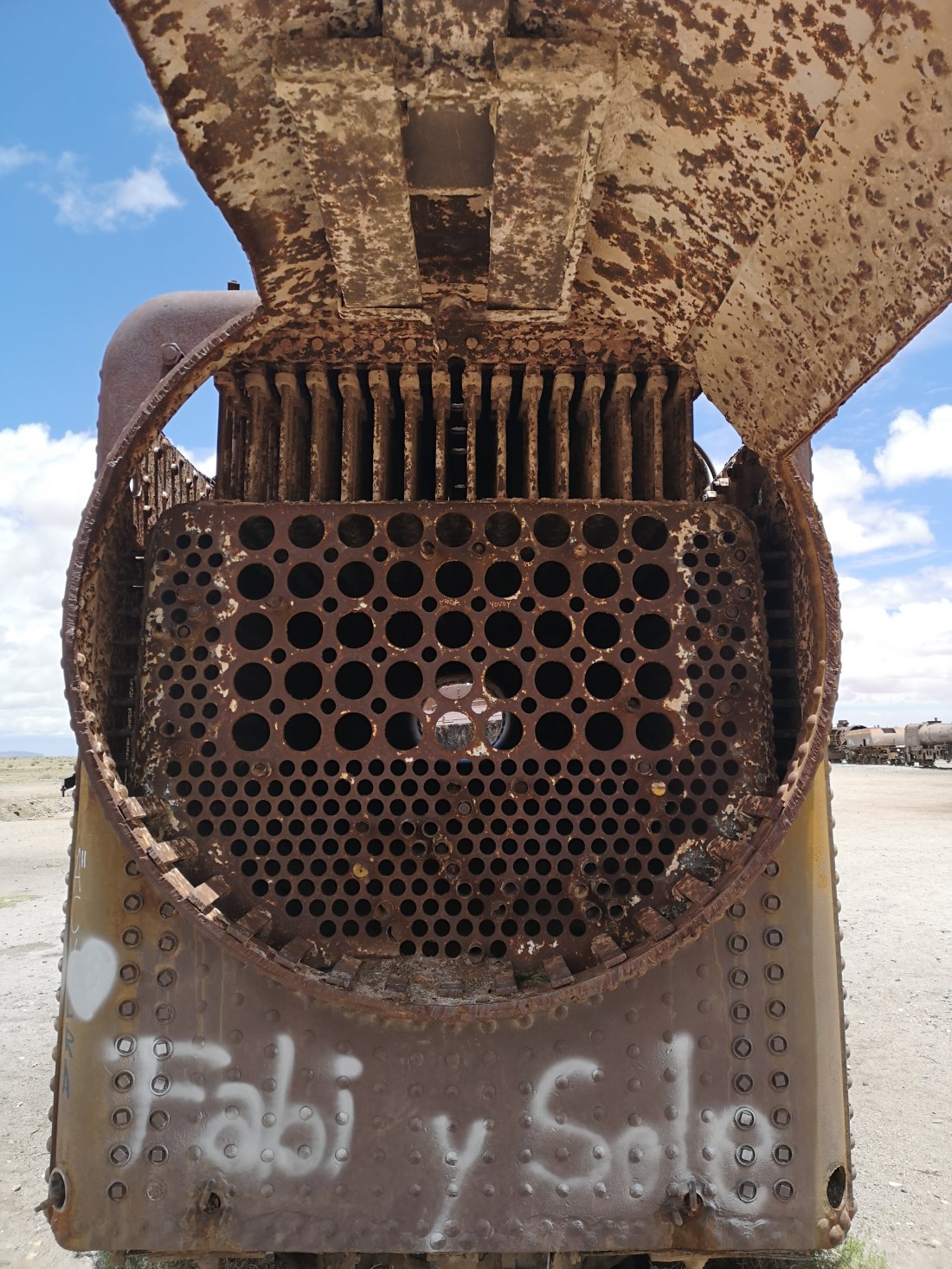
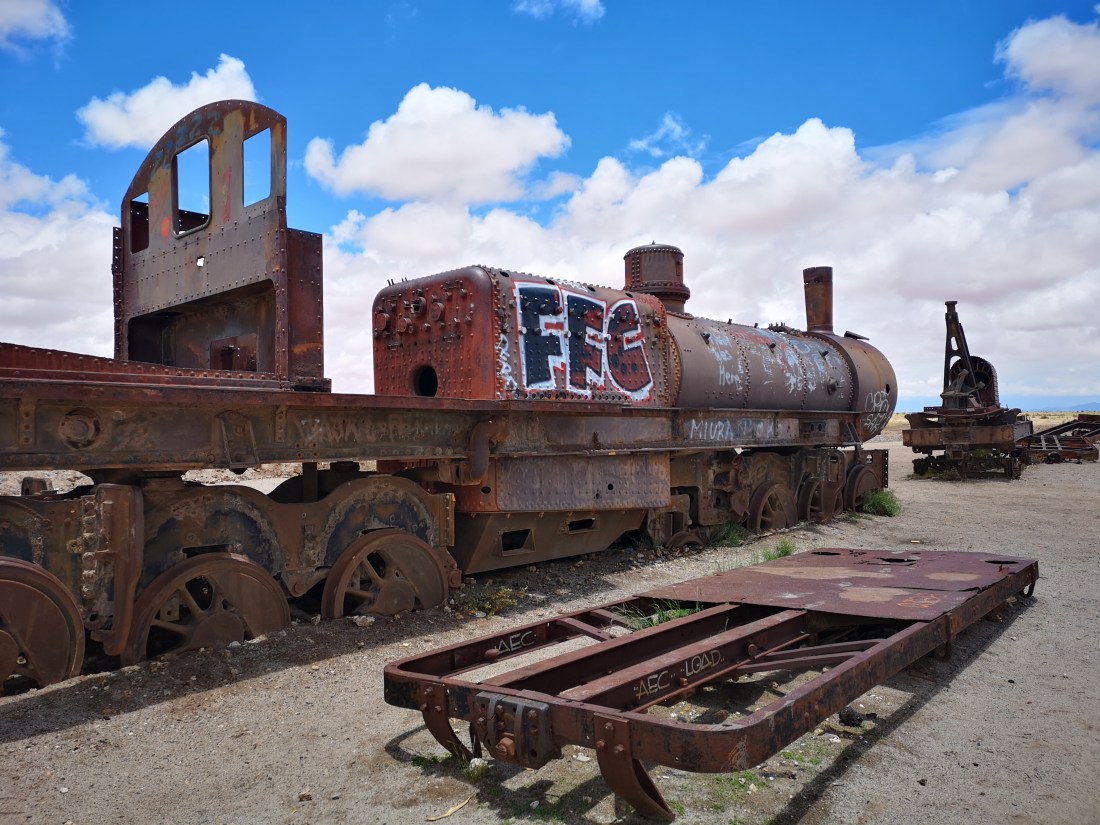
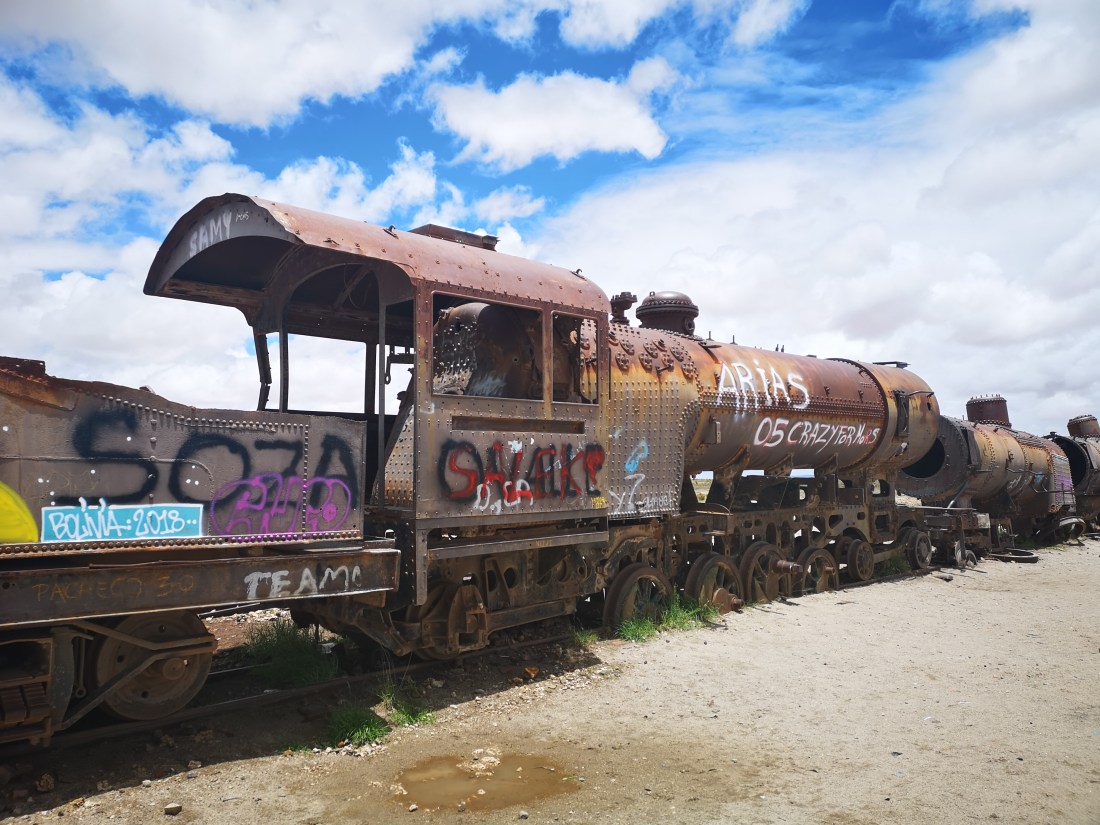
After our amazing morning we visited a train graveyard in Uyuni. It was an interesting sight to see the skeletons of classic old steam trains just standing in the middle of the desert. There was also a local, traditional music group doing rehearsals for an upcoming Bolivian carnival. We successfully avoided getting pulled in for any crowd participation.
After this it was time for the groups to split up again. A few of us were heading back to San Pedro, while others continued their travels in Bolivia.
On our way back we stayed in the same place that we stayed in for the first night.
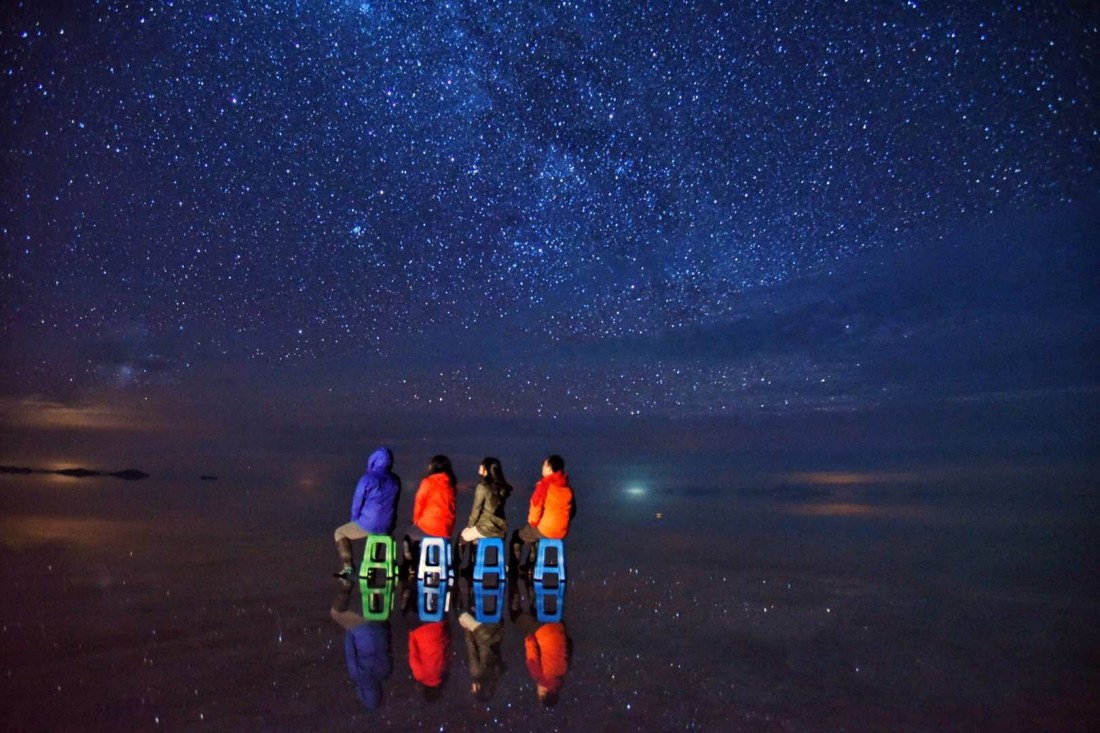
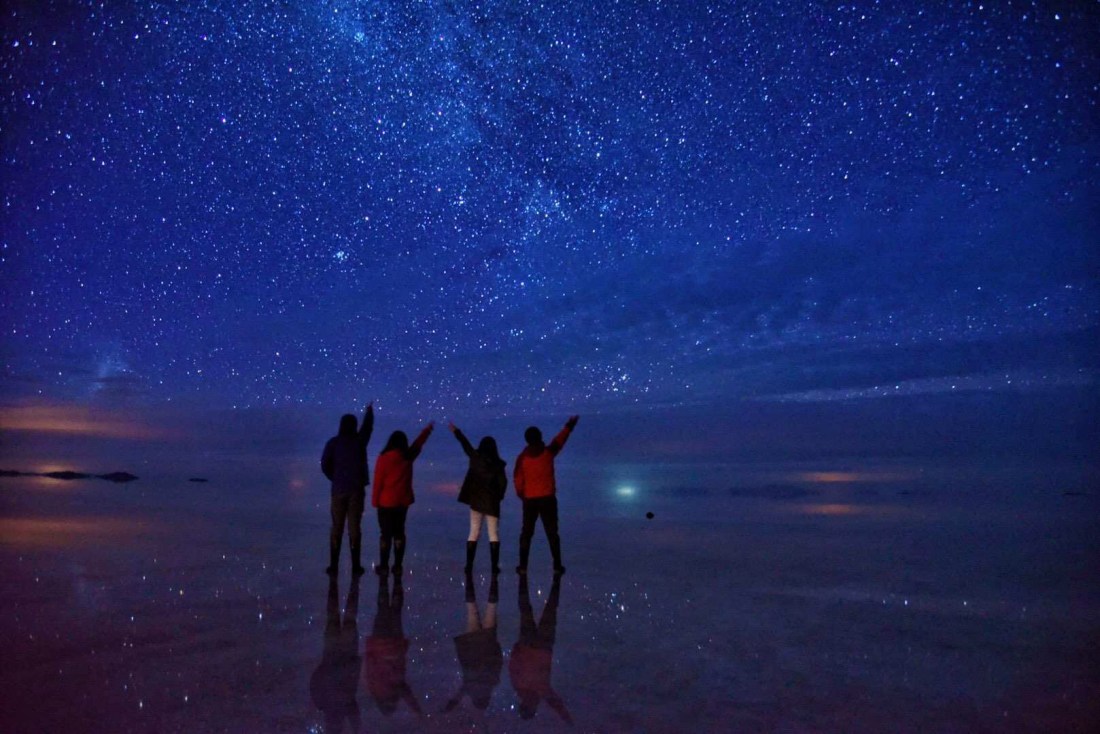
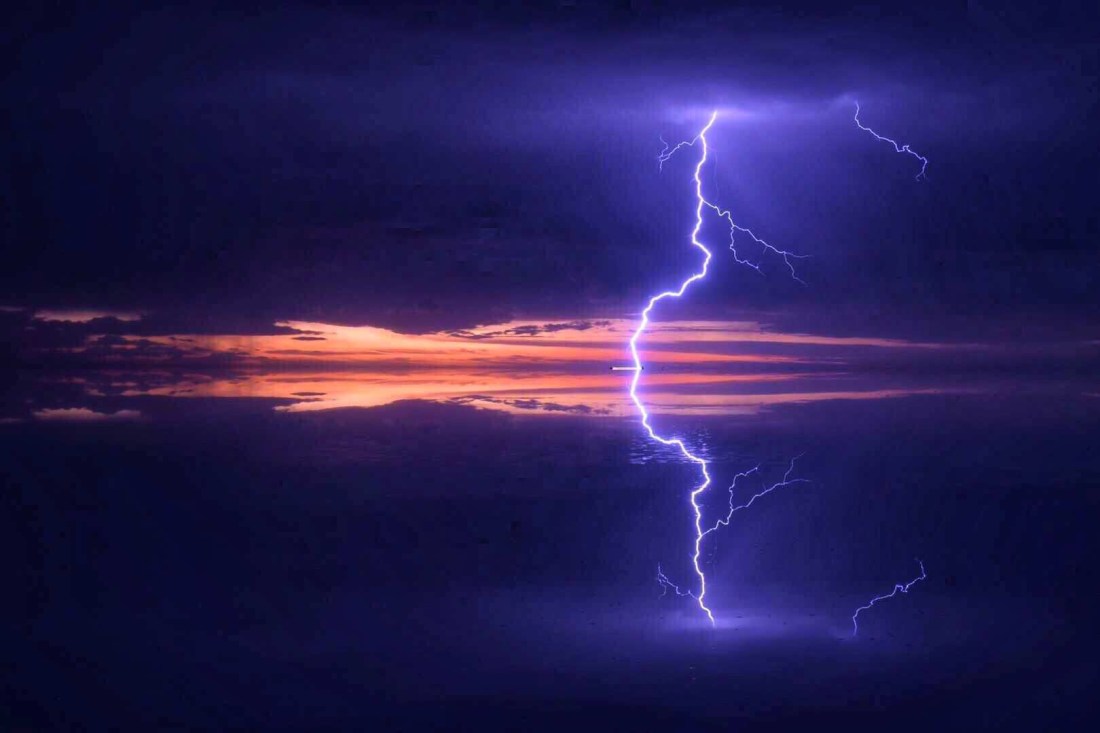
The Chinese that we had traveled with, stayed an extra night in Uyuni and went to the salt flats at night. They got so lucky as the weather was clear (unlike the night before our visit) and they manged to capture some amazing photos with the stars and lighting. They sent us some photos, which made us really wish we had also stayed an extra night. Oh well…it would have meant two extra nights for us due to the long drive back to Chile and we were quite ready for a proper hot shower.
The next morning we woke at 4am in order to get to the border for opening time. We also found out that our new driver and tour guide were only ‘freelancers’ hired in by the tour company to take us back, and to collect their next group. It left a bit of a bad taste in our mouth as this was part of the trip that we had paid for, and these guys really seemed clueless and uninterested in providing any sort of decent service.
This was not helped by the fact that we had a breakdown at about 5:30 in the middle of the desert, while it was pitch dark. They would not tell us what the problem was or how they would sort it out – they just got out the car and said nothing to us until a backup car arrived about 40 minutes later.
After a quick car change we were back on the road.
We arrived at the Bolivia border post and, as with the entry process, the exit process was quite straight forward. After checking out of Bolivia we hopped into mini-bus that would take us through into Chile.
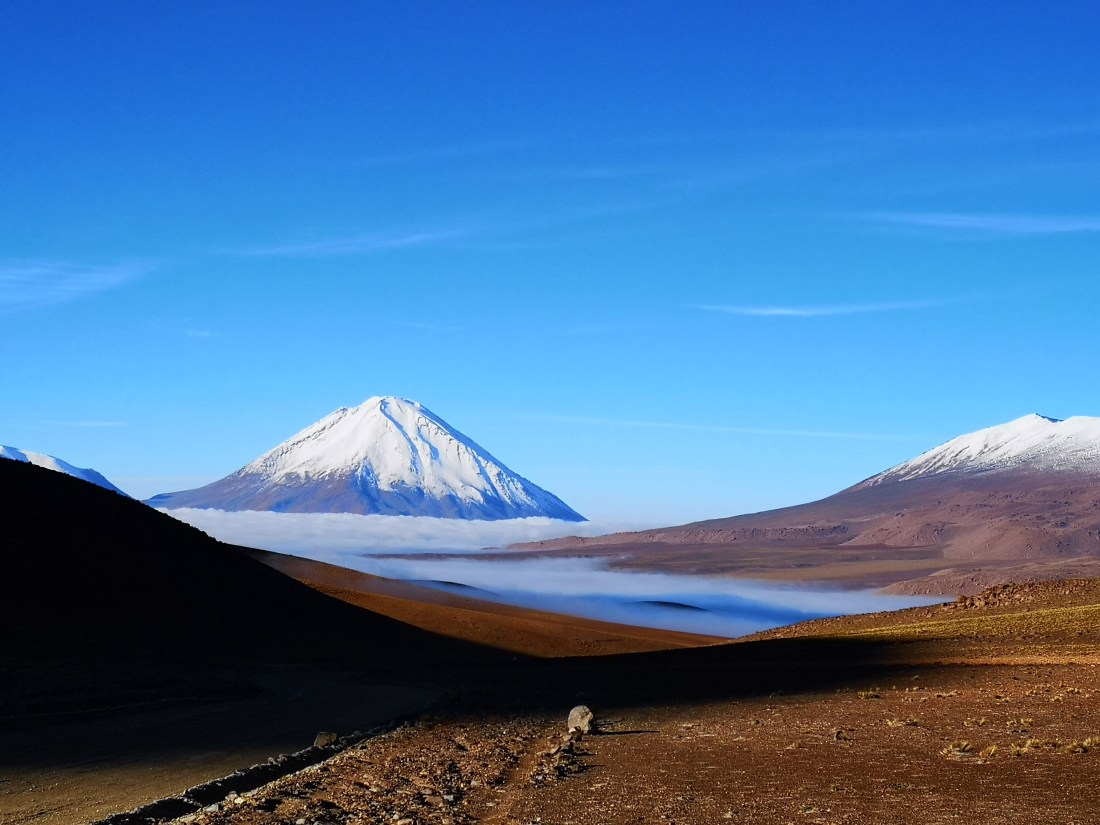
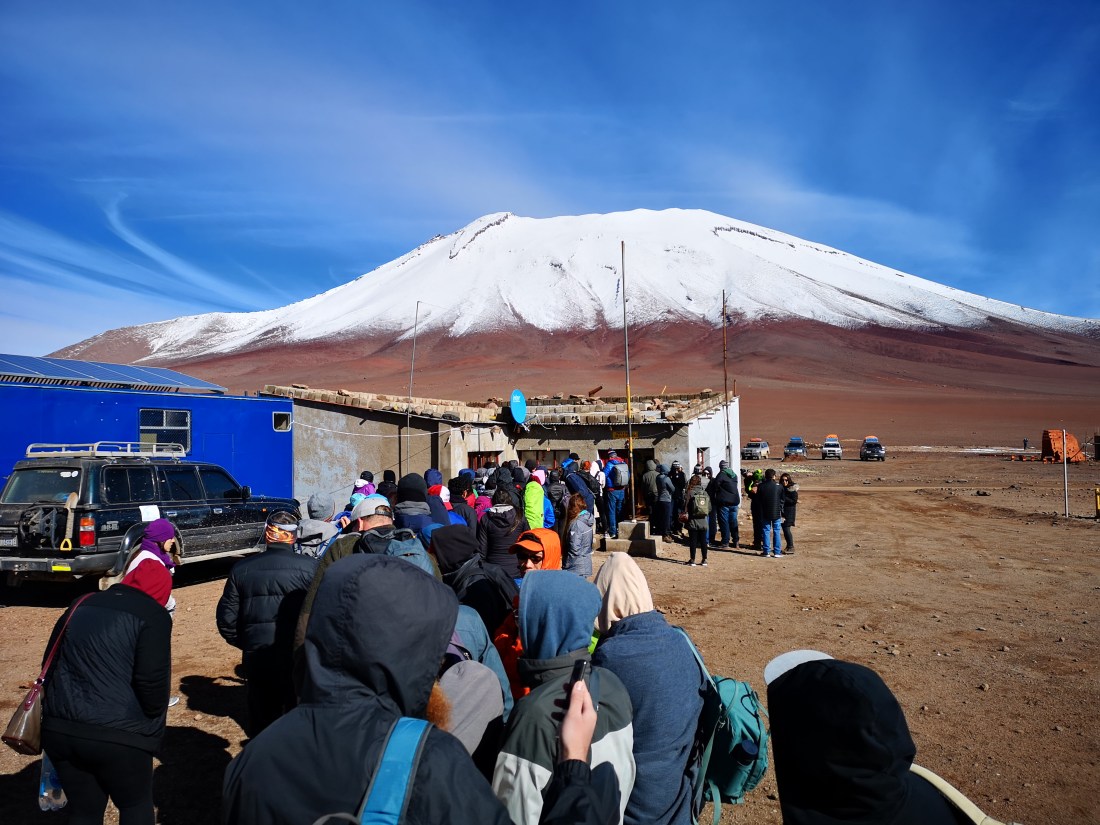
Again, the Chile border was not yet open. We waited about 2 or 3 hours in the bus for the first signs of movement in the queue, and then another hour before we actually got to be helped.
The customs officials wanted to check every bag of every passenger for any contraband items, such as animal or plant products. To put it nicely, it was a slow, tedious process.
Eventually we cleared the border around midday (after arriving at about 8am) and made our way back to San Pedro.
We checked into the same backpackers, as we still had 2 nights credit which we had pre-paid. The weather had cleared totally from what we experienced previously. We showered and spent the rest of the day chilling and planning the next phase of our trip.
We discussed some of the issues that we had in Bolivia with the host of our backpackers, just so that he was informed of matters. He then told us that he had stopped working with all Bolivian tour groups about a year before, basically because they were ‘cowboys’ and quite unorganised. Due to some political interference, a group he had organized to go to Bolivia (before he stopped working with Bolivian tour groups) had actually been held hostage as part of a tourism industry strike! He didn’t think to mention this before our trip!?
That evening we wondered into town for some food and drinks and met up with the Swiss couple that endured the painful return trip with us. They were leaving early the following morning for Salta, Argentina.
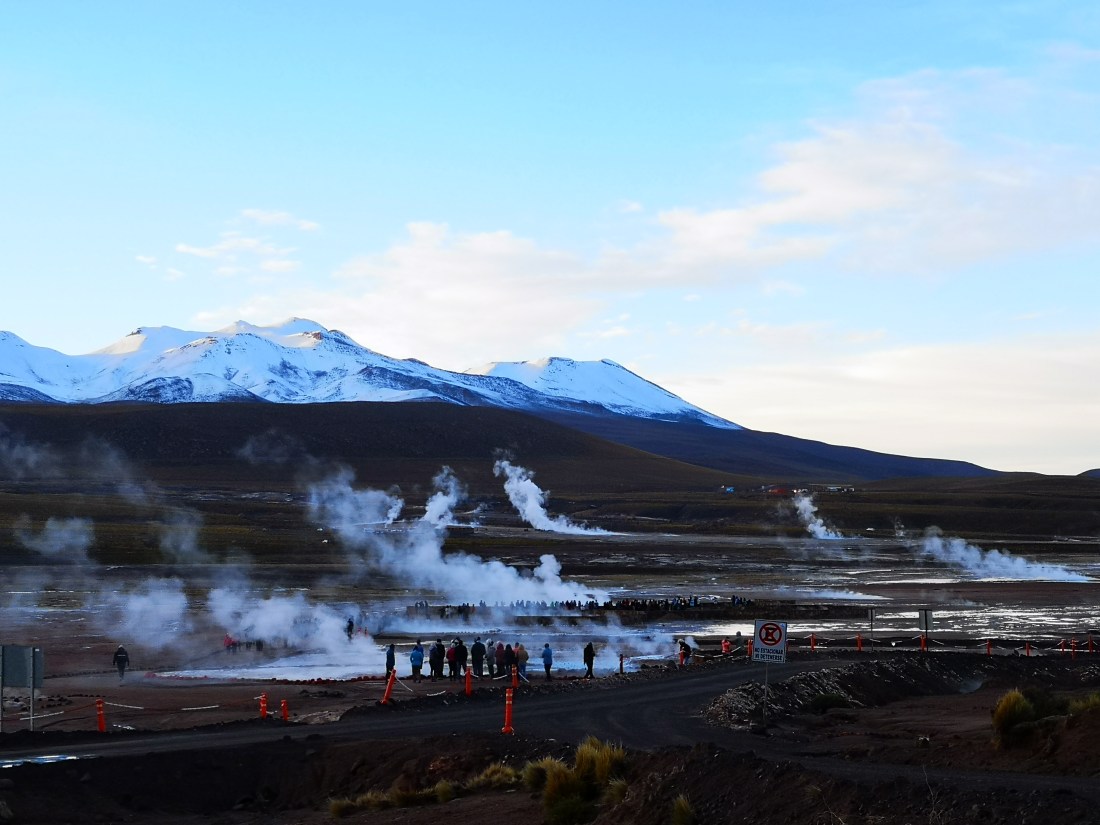
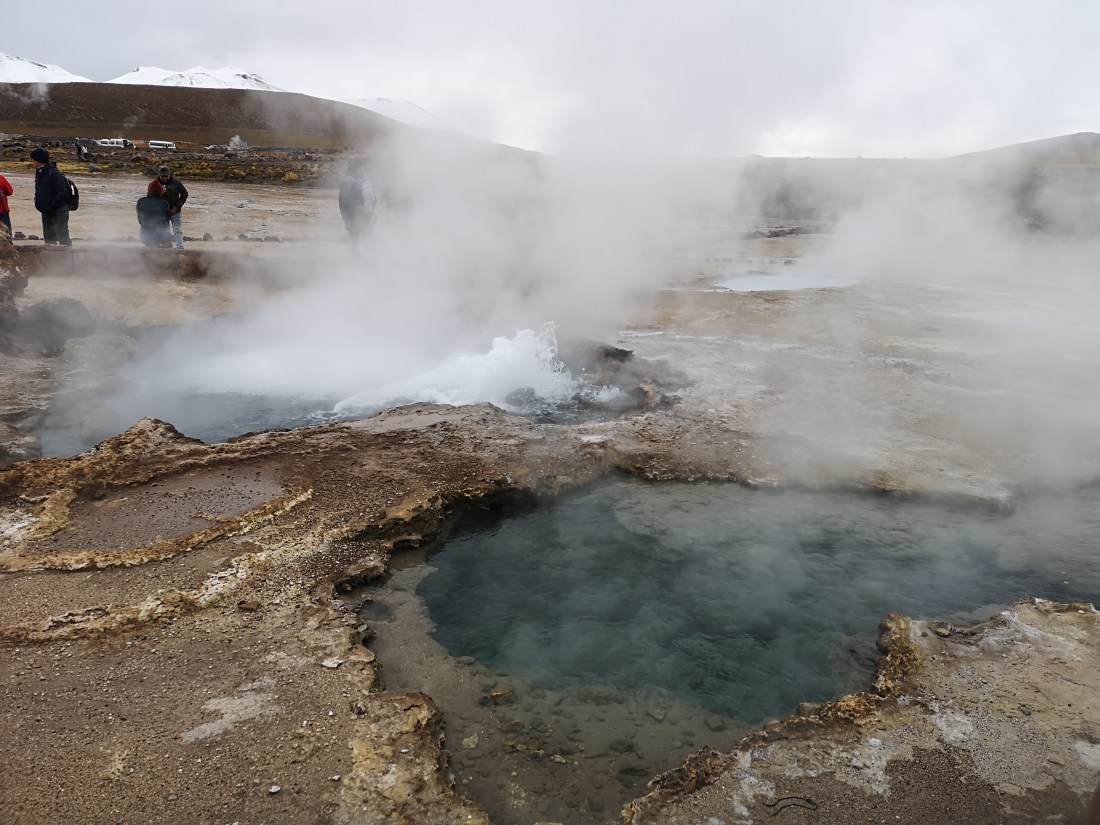
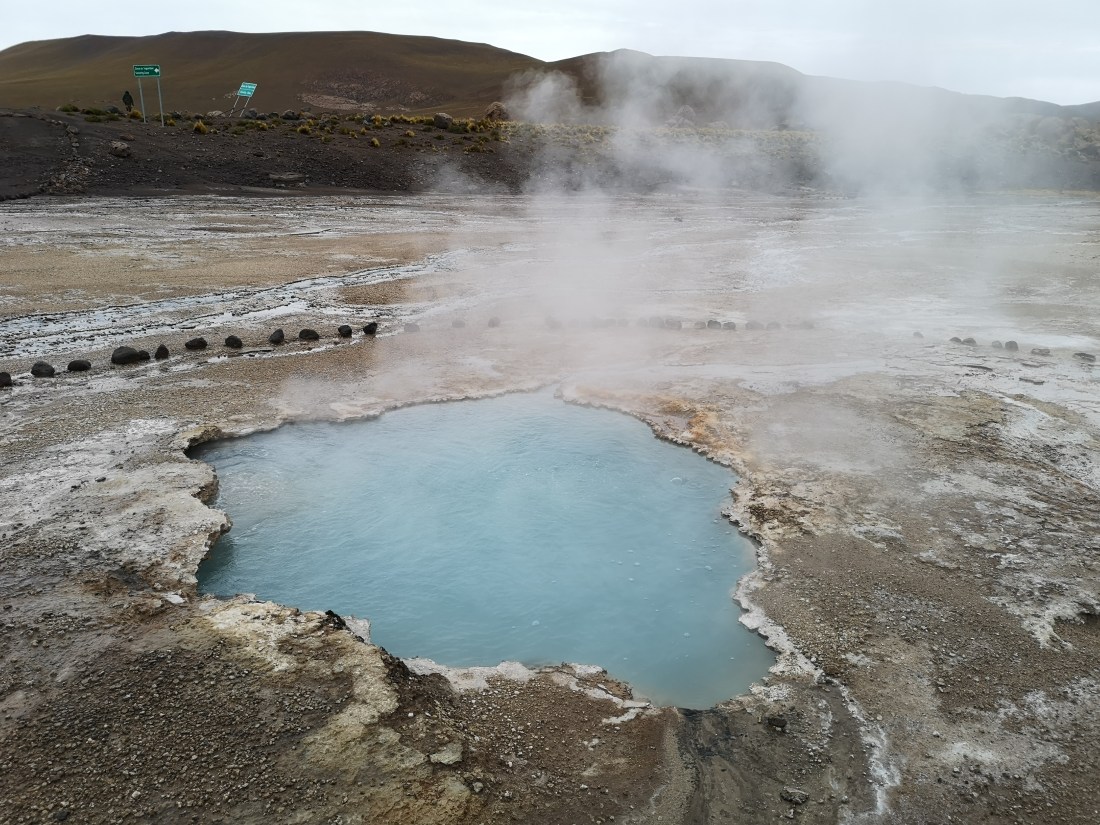
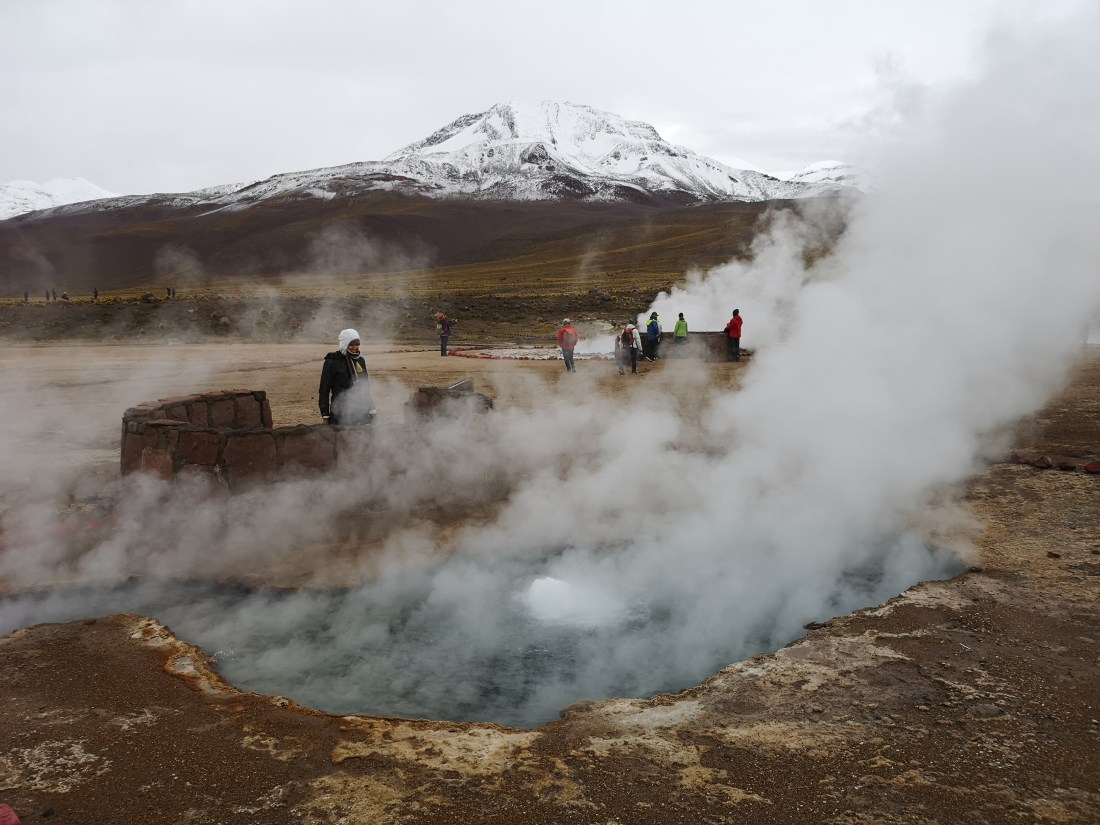
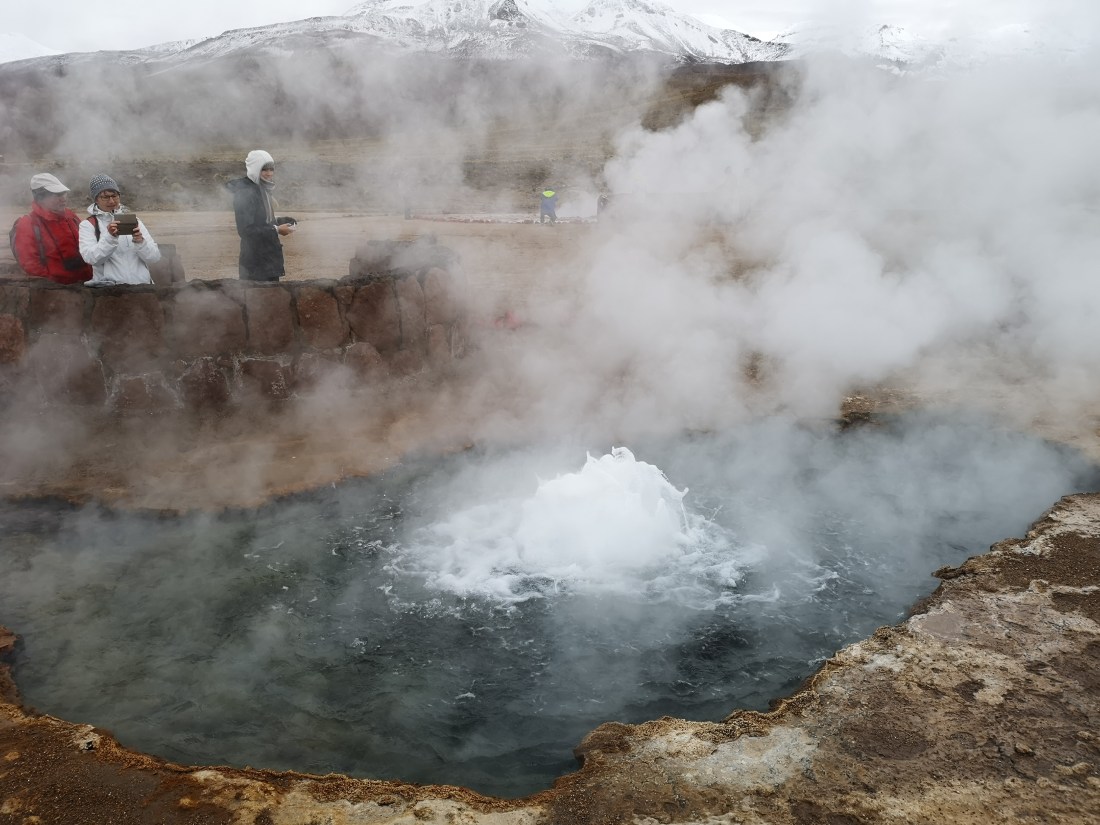
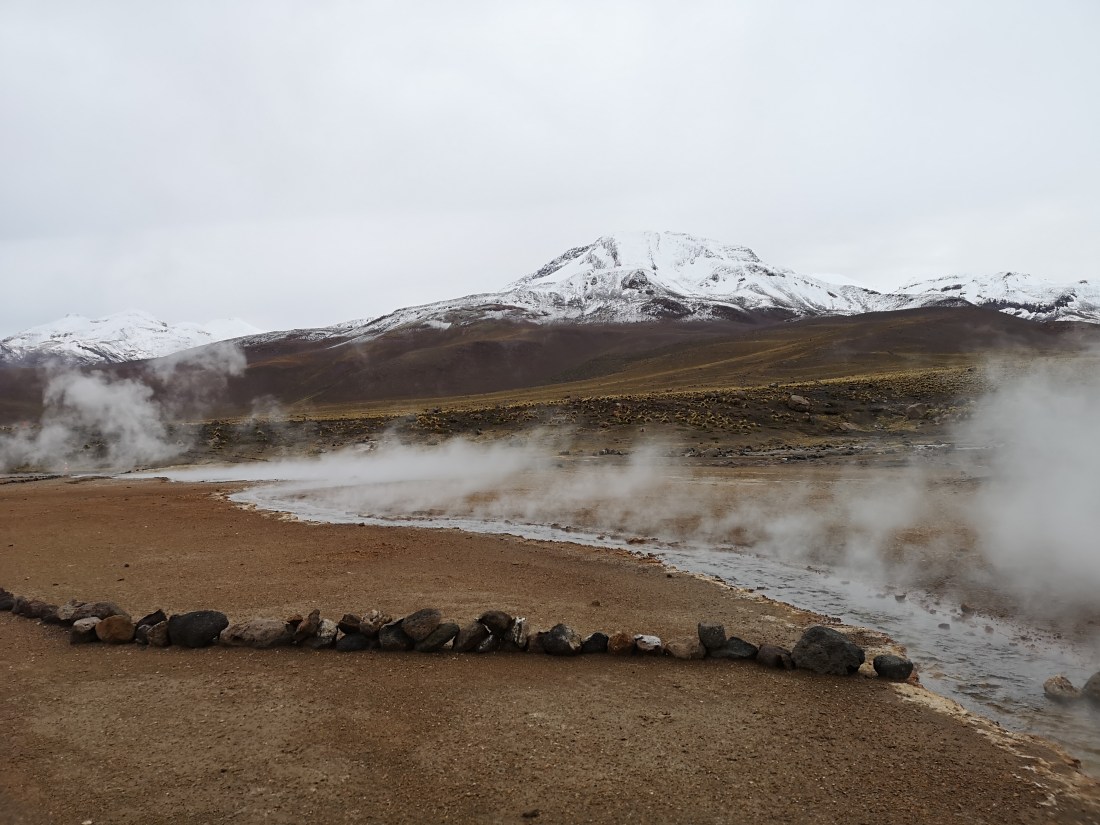
We booked a tour to visit the El Tatio geysers the following day, outside of San Pedro. These geysers are the third largest geysers in the world, after Iceland and Yellowstone. It was another cold 4:30 start in order to catch them at their most impressive.
It was really interesting to see geysers of this scale after seeing the smaller ones in Bolivia, although the photos do not do them justice. Some of the pools look really enticing for a quick swim but at about 85 degrees celcius it is not advisable. (* As a side note, the water in these geysers boil at only 85 deg and do not reach 100 deg because of the altitude)

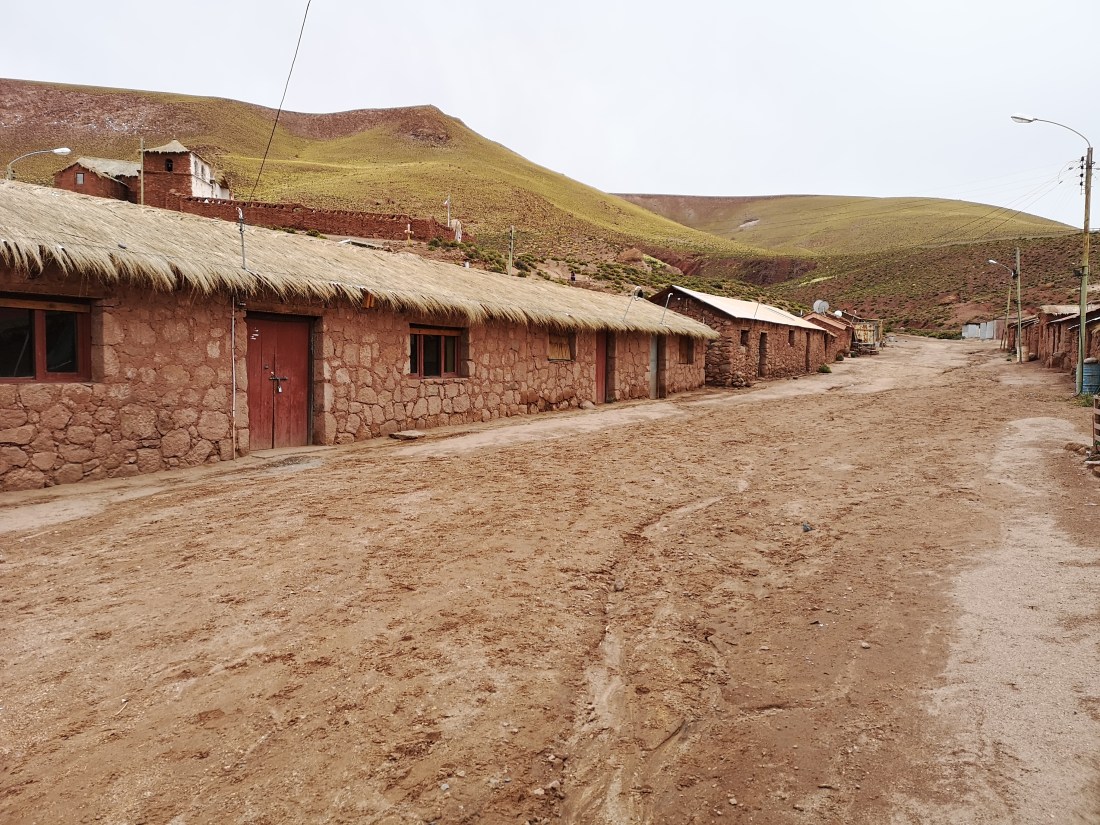
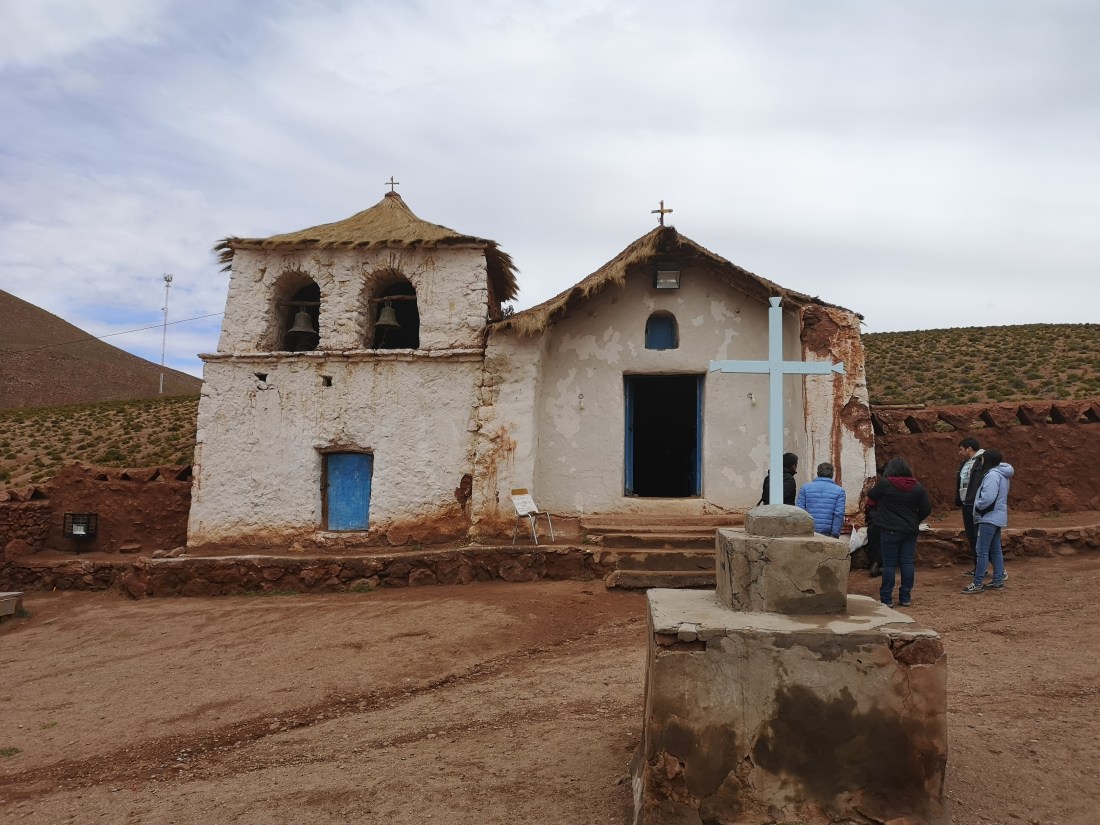
On the way back from the geysers we stopped at little town for lunch. By ‘little’ we mean about 5 permanent residents. There is a tiny restaurant/shop which they run, a street of about 70m long with about 10 houses in (most are locked up), and a church.
After the trip we got back to the hostel around lunch time and so headed into town to sort some paperwork for the next part of our trip and grab something to eat.
We arranged to be picked up the following morning and dropped at the airport for the next stop – Argentina.
 Wandering Watsons
What amazing experiences you’re having! The photos are wonderful!
LikeLike